Posted on

Mosquito Control for Pet Owners: Keeping Your Furry Friends Safe

Mosquito Control for Pet Owners Keeping Your Furry Friends Safe

Mosquito Control for Pet Owners: Keeping Your Furry Friends Safe

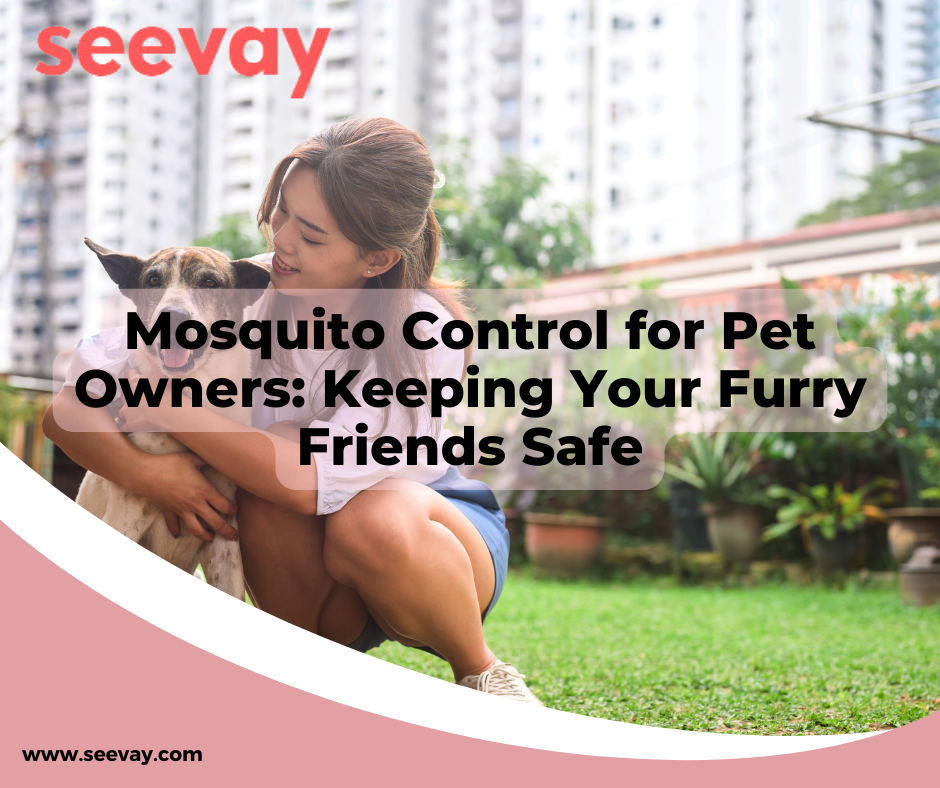
As a pet owner, protecting your beloved companions from mosquitoes and the diseases they carry is crucial. This article will explore effective strategies to keep your pets safe from these pesky insects and their potentially harmful effects.

Pet-Safe Mosquito Repellents

1. Natural options:
– Citronella: Safe for pets when used in moderation
– Lemon eucalyptus oil: Effective and non-toxic to animals
– Neem oil: Repels mosquitoes and is safe for pets

2. Commercial pet-specific repellents:
– Look for products specifically formulated for animals
– Avoid human repellents containing DEET, as they can be toxic to pets

Preventive Medications

1. Heartworm prevention:
– Consult your veterinarian about monthly heartworm preventatives
– Options include oral tablets, topical treatments, or injections

2. Flea and tick preventatives:
– Many also offer mosquito protection
– Available as collars, topical treatments, or oral medications

Creating a Mosquito-Free Environment

1. Eliminate standing water:
– Remove or regularly empty containers that collect water
– Keep pet water bowls fresh and clean

2. Maintain your yard:
– Keep grass short and remove debris
– Use pet-safe mosquito control products in outdoor areas

3. Protect indoor spaces:
– Install or repair window screens
– Use mosquito nets over pet beds if necessary

Veterinarian Advice

Dr. Sarah Johnson, DVM, emphasizes the importance of year-round protection: “Mosquito-borne diseases can be severe for pets. Consistent use of preventive measures is key to keeping your furry friends safe. Always consult with your veterinarian to determine the best approach for your pet’s specific needs.”

By implementing these strategies, you can significantly reduce the risk of mosquito-related issues for your pets. Remember to always consult with your veterinarian before starting any new treatments or preventive measures.

References:
1. American Heartworm Society. (2021). “Heartworm Basics.” https://www.heartwormsociety.org/pet-owner-resources/heartworm-basics
2. Companion Animal Parasite Council. (2022). “Mosquitoes.” https://capcvet.org/guidelines/mosquitoes/

This content is proudly produced by seevay.com, a brand focusing on anti-harmful mosquito solutions.

Posted on

Mosquito Control in Vertical Farming: Protecting Crops in Controlled Environments

Mosquito Control in Vertical Farming Protecting Crops in Controlled Environments

Comprehensive Guide on Managing Mosquito Populations in Vertical Farming Systems

  1. Introduction to Mosquito Control in Vertical Farming

Vertical farming has emerged as an innovative solution to address food security challenges in urban environments. However, like any agricultural system, it faces pest management issues, including mosquito infestations. Mosquitoes in vertical farming systems not only pose a nuisance but can also potentially transmit diseases to workers and compromise crop health. This guide aims to provide a comprehensive overview of strategies to manage mosquito populations effectively in vertical farming environments.

  1. Understanding Mosquito Behavior in Controlled Environments

2.1 Mosquito life cycle in indoor settings

In vertical farming systems, mosquitoes can complete their life cycle if suitable conditions are present. The cycle consists of four stages:

a) Egg: Female mosquitoes lay eggs in standing water or damp areas.
b) Larva: Aquatic stage where larvae feed on organic matter in water.
c) Pupa: Non-feeding stage where metamorphosis occurs.
d) Adult: Flying stage where females seek blood meals for egg production.

In controlled environments, this cycle can be completed more rapidly due to stable temperatures and abundant resources.

2.2 Attractants and breeding sites in vertical farms

Vertical farms inadvertently provide several attractants and potential breeding sites for mosquitoes:

a) Standing water in hydroponic systems
b) High humidity levels
c) Carbon dioxide from plant respiration and human activity
d) Warmth from grow lights and climate control systems
e) Organic matter in nutrient solutions

Understanding these factors is crucial for developing effective control strategies.


  1. Integrated Pest Management (IPM) Strategies

3.1 Cultural control methods

Cultural controls involve modifying farming practices to make the environment less favourable for mosquitoes:

a) Regular cleaning and sanitization of growing areas
b) Proper disposal of plant debris and organic waste
c) Careful management of water sources to prevent stagnation
d) Training staff on mosquito prevention practices

3.2 Physical barriers and exclusion techniques

Physical controls aim to prevent mosquitoes from entering or breeding in the farming area:

a) Installation of fine mesh screens on windows and ventilation systems
b) Use of air curtains at entrances
c) Sealing of cracks and crevices in the structure
d) Covering of water reservoirs and nutrient solution tanks

3.3 Biological control agents

Biological control involves using natural predators or pathogens to manage mosquito populations:

a) Introduction of larvivorous fish in water reservoirs (e.g., Gambusia affinis)
b) Use of Bacillus thuringiensis israelensis (Bti) as a biological larvicide
c) Application of entomopathogenic fungi (e.g., Beauveria bassiana)
d) Deployment of predatory insects like dragonfly nymphs in hydroponic systems

3.4 Chemical control options (low-toxicity and organic)

When necessary, low-toxicity chemical controls can be employed:

a) Use of insect growth regulators (IGRs) like pyriproxyfen in water sources
b) Application of botanical insecticides such as pyrethrin or neem oil
c) Targeted use of synthetic pyrethroids in non-crop areas
d) Deployment of slow-release larvicides in water reservoirs


  1. Environmental Controls for Mosquito Prevention

4.1 Temperature regulation

Maintaining optimal temperatures can deter mosquito activity:

a) Keeping temperatures below 10°C (50°F) or above 30°C (86°F) when possible
b) Implementing temperature fluctuations to disrupt mosquito behavior
c) Using cool-temperature LED lighting to reduce ambient heat

4.2 Humidity management

Controlling humidity levels can significantly impact mosquito populations:

a) Maintaining relative humidity below 60% in non-growing areas
b) Using dehumidifiers in conjunction with the HVAC system
c) Implementing proper drainage to reduce damp areas

4.3 Air circulation and ventilation

Good air movement can deter mosquitoes and reduce favorable microclimates:

a) Installing oscillating fans throughout the facility
b) Ensuring proper design of HVAC systems for optimal air flow
c) Using vertical air circulation systems in growing areas

4.4 Lighting considerations

Lighting can influence mosquito behavior and should be managed carefully:

a) Using yellow or red LED lights in non-growing areas to reduce attraction
b) Implementing motion-sensor lighting in less frequented areas
c) Considering the use of UV light traps away from growing areas


  1. Monitoring Techniques for Vertical Farming Systems

5.1 Trap types and placement

Various traps can be used to monitor mosquito populations:

a) CDC light traps for adult mosquito surveillance
b) Gravid traps to attract egg-laying females
c) BG-Sentinel traps for day-biting species
d) Ovitraps to detect the presence of breeding mosquitoes

Strategic placement of these traps throughout the facility is crucial for effective monitoring.

5.2 Regular inspections and scouting

Routine inspections are essential for early detection of mosquito issues:

a) Establishing a regular scouting schedule
b) Training staff on identifying mosquito larvae and adults
c) Checking potential breeding sites regularly
d) Inspecting entry points and physical barriers for breaches

5.3 Data collection and analysis

Systematic data collection and analysis can inform management decisions:

a) Maintaining detailed records of trap catches
b) Tracking environmental parameters alongside mosquito activity
c) Using data visualization tools to identify trends and hotspots
d) Adjusting control strategies based on data insights

  1. Technology-Driven Solutions

6.1 Automated monitoring systems

Advanced technologies can enhance mosquito surveillance:

a) Deploying IoT-enabled traps for real-time monitoring
b) Using acoustic sensors to detect mosquito wing-beat frequencies
c) Implementing automated larval detection systems in water sources

6.2 AI-powered pest detection

Artificial intelligence can improve the accuracy and efficiency of pest management:

a) Using machine learning algorithms for species identification
b) Implementing computer vision systems for automated trap counting
c) Developing predictive models for mosquito population dynamics

6.3 Smart environmental control systems

Intelligent systems can optimize the growing environment to deter mosquitoes:

a) Implementing AI-driven climate control systems
b) Using smart lighting systems that adjust based on mosquito activity
c) Deploying automated misting systems with biorational insecticides

  1. Best Practices from Agricultural Engineers

7.1 System design considerations

Proper design of vertical farming systems can significantly reduce mosquito issues:

a) Implementing closed-loop hydroponic systems to minimize standing water
b) Designing easy-to-clean surfaces and components
c) Incorporating proper drainage and water management systems
d) Considering mosquito prevention in the initial facility layout

7.2 Water management strategies

Effective water management is crucial for mosquito control:

a) Implementing recirculating water systems with proper filtration
b) Using UV sterilization or ozonation in water treatment
c) Maintaining proper water flow rates to prevent stagnation
d) Regular cleaning and maintenance of water systems

7.3 Crop selection and resistance

Choosing appropriate crops can contribute to mosquito management:

a) Selecting varieties with lower water requirements
b) Considering plants with natural mosquito-repelling properties
c) Implementing crop rotation strategies to disrupt pest cycles
d) Exploring the potential of genetically modified crops resistant to pests


  1. Insights from Entomologists

8.1 Mosquito species of concern in indoor agriculture

Different mosquito species may adapt to indoor farming environments:

a) Culex pipiens: Common in urban areas and adaptable to indoor conditions
b) Aedes albopictus: Known for its ability to breed in small water containers
c) Anopheles stephensi: Potential concern in areas where malaria is endemic
d) Emerging species adapted to controlled environments

8.2 Behavior modifications in controlled environments

Mosquitoes may exhibit altered behaviors in vertical farming settings:

a) Changes in breeding site preferences
b) Shifts in biting patterns and host-seeking behavior
c) Adaptations to artificial lighting and photoperiods
d) Potential resistance development to common control methods

8.3 Emerging research and future directions

Ongoing research is exploring new avenues for mosquito control:

a) Gene drive technologies for population suppression
b) Development of new biorational insecticides
c) Exploration of semiochemicals for mosquito behavior manipulation

d) Research into mosquito microbiome manipulation for control purposes


  1. Case Studies: Successful Mosquito Management in Vertical Farms

Case Study 1: Urban Vertical Farm in Singapore
A large-scale vertical farm in Singapore implemented an integrated approach to mosquito management:

  • Installed fine-mesh screens on all openings and implemented air curtains at entrances
  • Used a combination of Bti treatments and predatory fish in water reservoirs
  • Deployed AI-powered mosquito detection systems throughout the facility
  • Implemented a strict sanitation protocol and staff training program
    Results: 95% reduction in mosquito populations within six months of implementation

Case Study 2: Indoor Farming Facility in the Netherlands
A Dutch indoor farming company focused on environmental manipulation for mosquito control:

  • Maintained temperatures below 15°C in non-growing areas
  • Implemented a smart lighting system using yellow LEDs in corridors and work areas
  • Used automated dehumidification systems to keep humidity below 60%
  • Deployed mosquito traps with pheromone lures at strategic locations
    Results: Successfully prevented mosquito establishment in the facility for over two years

Case Study 3: Vertical Aquaponics System in Florida, USA
An aquaponics facility in a mosquito-prone area employed a multi-faceted approach:

  • Used a recirculating aquaponics system with UV sterilization
  • Introduced larvivorous fish (Gambusia affinis) in fish tanks
  • Implemented an IoT-based monitoring system for early detection
  • Used botanical repellents (citronella and neem oil) in non-crop areas
    Results: Maintained mosquito populations below economic threshold levels while preserving beneficial insects
  1. Conclusion and Future Outlook

Managing mosquito populations in vertical farming systems requires a comprehensive, integrated approach that combines traditional pest management techniques with cutting-edge technology. As vertical farming continues to evolve, so too will the strategies for mosquito control. Future developments may include:

  • More sophisticated AI and machine learning applications for pest management
  • Advanced genetic techniques for mosquito population control
  • Development of mosquito-resistant crop varieties
  • Integration of mosquito management with overall smart farming systems

The key to successful mosquito management in vertical farms lies in proactive planning, continuous monitoring, and adaptive management strategies. By staying informed about the latest research and technologies, vertical farm operators can maintain a healthy, productive growing environment while minimizing the impact of mosquito populations.

  1. References
  2. World Health Organization. (2020). Vector-borne diseases.
  3. Benelli, G., et al. (2016). Mosquito control with green nanopesticides: towards the One Health approach? A review of non-target effects. Environmental Science and Pollution Research, 23(17), 17220-17234.
  4. Paupy, C., et al. (2009). Aedes albopictus, an arbovirus vector: from the darkness to the light. Microbes and Infection, 11(14-15), 1177-1185.
  5. Wilke, A. B., et al. (2019). Mosquito adaptation to the extreme habitats of urban construction sites. Trends in Parasitology, 35(8), 607-614.
  6. Achee, N. L., et al. (2019). Alternative strategies for mosquito-borne arbovirus control. PLoS Neglected Tropical Diseases, 13(1), e0006822.
  7. Takken, W., & Knols, B. G. (2009). Malaria vector control: current and future strategies. Trends in Parasitology, 25(3), 101-104.
  8. Despommier, D. (2013). Farming up the city: the rise of urban vertical farms. Trends in Biotechnology, 31(7), 388-389.
  9. Benelli, G., & Mehlhorn, H. (2016). Declining malaria, rising of dengue and Zika virus: insights for mosquito vector control. Parasitology Research, 115(5), 1747-1754.
  10. Touré, Y. T., et al. (2004). The challenges of doing more against mosquito-borne diseases in Africa. American Journal of Tropical Medicine and Hygiene, 71(2 suppl), 224-227.
  11. Alphey, L., et al. (2013). Genetic control of Aedes mosquitoes. Pathogens and Global Health, 107(4), 170-179.

This content is proudly produced by seevay.com, a brand focusing on anti-harmful mosquito solutions.

Posted on

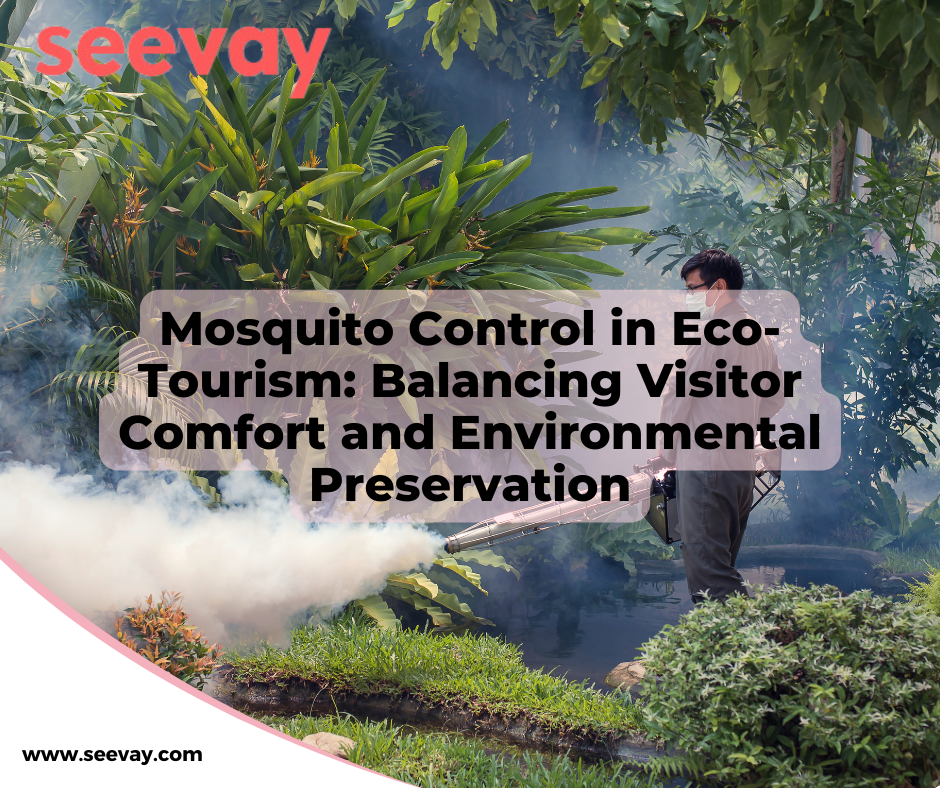
Mosquito Control in Eco-Tourism: Balancing Visitor Comfort and Environmental Preservation

Mosquito Control in Eco Tourism Balancing Visitor Comfort and Environmental Preservation

Mosquito Control in Eco-Tourism: Balancing Visitor Comfort and Environmental Preservation

Eco-tourism destinations face a unique challenge when it comes to mosquito control. While ensuring visitor comfort and safety is paramount, these locations must also prioritize environmental preservation. This article explores sustainable methods for managing mosquito populations in eco-sensitive areas, highlighting successful case studies and offering practical solutions for eco-lodges and national parks.

Sustainable Mosquito Control Methods

1. Biological Control:
– Introducing natural predators like mosquitofish (Gambusia affinis)
– Encouraging bat populations through bat house installations
– Promoting dragonfly habitats near water bodies

2. Habitat Modification:
– Proper water management to eliminate standing water
– Regular maintenance of vegetation to reduce mosquito breeding sites
– Installing screens on windows and doors of eco-lodges

3. Eco-friendly Repellents:
– Using essential oil-based repellents (e.g., citronella, eucalyptus)
– Planting mosquito-repelling vegetation around accommodations
– Providing guests with organic, DEET-free repellent options

4. Targeted Larviciding:
– Applying Bacillus thuringiensis israelensis (Bti) to breeding sites
– Using growth regulators that specifically target mosquito larvae

5. Education and Awareness:
– Informing visitors about mosquito prevention techniques
– Training staff on sustainable mosquito management practices

Case Studies

1. Chumbe Island Coral Park, Zanzibar:
This eco-lodge successfully manages mosquito populations by maintaining a careful balance of native flora and fauna. They use rainwater harvesting systems to prevent standing water and educate guests on natural repellent methods.

2. Tortuguero National Park, Costa Rica:
The park employs a combination of biological control and habitat modification. They’ve introduced mosquitofish in select water bodies and conduct regular maintenance to reduce breeding sites, significantly lowering mosquito populations without harmful chemicals.

3. Daintree Ecolodge, Australia:
This rainforest retreat uses a multi-faceted approach, including strategically placed bat houses, mosquito-repelling plants, and providing guests with natural repellents. They also conduct educational programs on mosquito ecology and prevention.

Conclusion

Effective mosquito control in eco-tourism destinations requires a delicate balance between visitor comfort and environmental stewardship. By employing a combination of sustainable methods and educating both staff and guests, eco-lodges and national parks can successfully manage mosquito populations while preserving the natural ecosystem.

References:

1. World Health Organization. (2020). “Vector-borne diseases.”
2. Rochlin, I., et al. (2019). “Aedes albopictus Control Through Modernized, Integrated Vector Management.” PLoS Currents, 11.
3. Centers for Disease Control and Prevention. (2021). “Mosquito Control Methods.”

This content is proudly produced by seevay.com, a brand focusing on anti-harmful mosquito solutions.

Posted on

Mosquito Control in Aquaponics: Balancing Pest Management and Fish Health

Mosquito Control in Aquaponics Balancing Pest Management and Fish Health

Mosquito Control in Aquaponics: Balancing Pest Management and Fish Health

Introduction

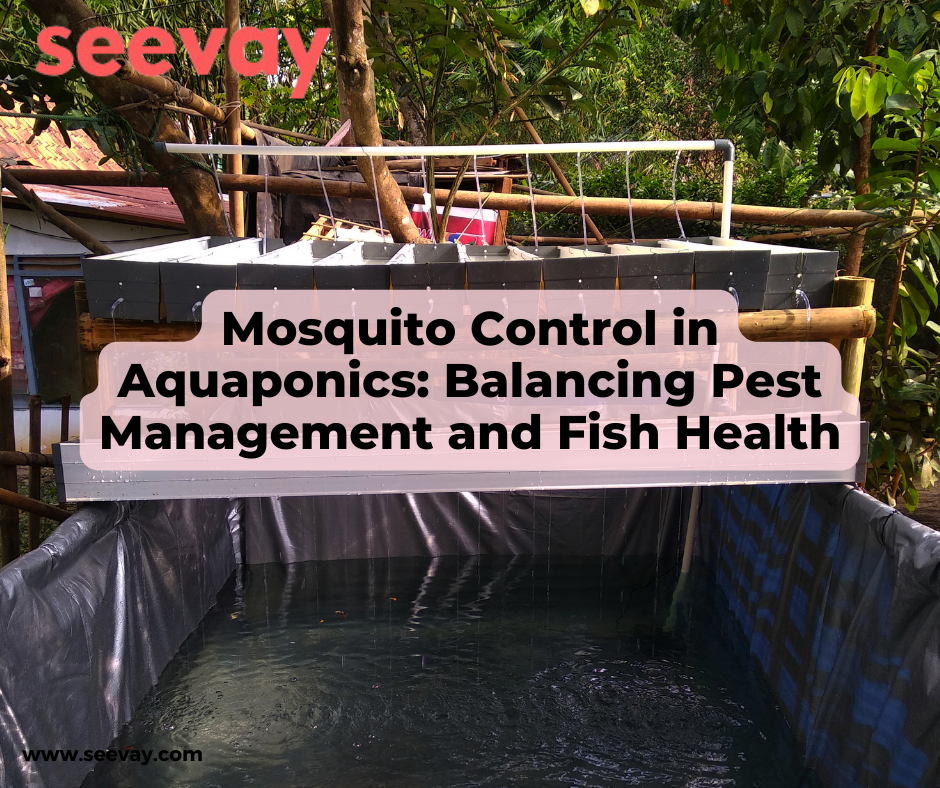
Aquaponics, the innovative fusion of aquaculture and hydroponics, has gained significant traction in recent years as a sustainable method of food production. This symbiotic system, where fish waste provides nutrients for plants and plants filter water for fish, offers numerous benefits. However, it also presents unique challenges, one of which is effective mosquito control.

Mosquitoes are attracted to the standing water inherent in aquaponic systems, making these setups potential breeding grounds for these pesky insects. This presents a dual challenge: controlling mosquito populations while maintaining the delicate balance of the aquaponic ecosystem. The health and wellbeing of both fish and plants must be prioritized, ruling out many traditional pest control methods that could harm these vital components of the system.

In this comprehensive guide, we’ll explore the intricacies of mosquito control in aquaponics, offering insights and strategies to help aquaponic gardeners maintain a thriving, mosquito-free environment.

Understanding Mosquitoes in Aquaponic Systems

To effectively manage mosquitoes in aquaponics, it’s crucial to understand their life cycle and preferred breeding conditions.

Life Cycle of Mosquitoes:

  1. Egg stage: Female mosquitoes lay eggs on or near water surfaces.
  2. Larval stage: Eggs hatch into larvae (often called “wrigglers”) that live in water.
  3. Pupal stage: Larvae develop into pupae (known as “tumblers”).
  4. Adult stage: Pupae emerge as adult mosquitoes.

The entire life cycle, from egg to adult, can take as little as 7-10 days under optimal conditions.

Preferred Breeding Conditions:
Mosquitoes thrive in stagnant or slow-moving water, which is often present in certain parts of aquaponic systems. They prefer:
• Shallow water (less than 24 inches deep)
• Water rich in organic matter
• Shaded areas protected from wind
• Temperatures between 50°F and 90°F (10°C to 32°C)

Potential Risks to Fish and Plants:
While adult mosquitoes don’t directly harm fish or plants, their presence can indicate issues within the system:
• Mosquito larvae can compete with fish for resources in the water.
• Large mosquito populations can be a nuisance for gardeners, potentially discouraging system maintenance.
• Mosquitoes can vector diseases that may affect humans working with the system.

System Design Considerations

Thoughtful system design can significantly reduce mosquito breeding opportunities in aquaponics:

Water Circulation and Aeration:
• Implement robust water pumps to ensure constant circulation.
• Use air stones or other aeration devices to create water movement and increase oxygen levels.
• Design water flow patterns that minimize areas of stagnant water.

Covering Water Surfaces:
• Use floating row covers or fine mesh netting over grow beds and fish tanks.
• Install greenhouse-style coverings over entire systems when feasible.
• Employ floating plants like duckweed or water lettuce to cover open water surfaces.

Eliminating Stagnant Water Areas:
• Regularly inspect and clean gutters, pipes, and other areas where water might collect.
• Ensure proper drainage in and around the aquaponic system.
• Fill in low spots in the surrounding area to prevent water accumulation.

Biological Control Methods

Biological control methods offer effective mosquito management without introducing harmful chemicals into the aquaponic ecosystem:

Introducing Mosquito-Eating Fish:
• Gambusia affinis (mosquitofish): Known for their voracious appetite for mosquito larvae.
• Guppies (Poecilia reticulata): Colorful and effective at controlling mosquito populations.
• Considerations: Ensure these fish are compatible with your main aquaponic fish species.

Beneficial Insects and Predators:
• Dragonfly nymphs: Aquatic predators that feed on mosquito larvae.
• Backswimmers and water striders: Surface-dwelling insects that prey on mosquito eggs and larvae.
• Encourage natural predator populations by creating diverse habitats around your system.

Bacterial Larvicides:
• Bacillus thuringiensis israelensis (Bti): A naturally occurring soil bacterium that produces toxins specific to mosquito larvae.
• Application: Available in various forms, including granules, briquettes, and liquid concentrates.
• Safety: Bti is considered safe for use in organic agriculture and doesn’t harm fish, plants, or beneficial insects when used as directed.

Natural Repellents and Deterrents

Incorporating natural repellents can further enhance mosquito control efforts:

Essential Oils and Plant-Based Solutions:
• Citronella oil: A classic mosquito repellent, can be used in oil burners around the system.
• Neem oil: Effective against mosquitoes and can also benefit plants when used sparingly.
• Lemongrass extract: Repels mosquitoes and can be safely sprayed on areas around the system.

Mosquito-Repelling Plants for Aquaponics:
• Citronella grass: Can be grown in separate containers near the system.
• Marigolds: These bright flowers naturally repel mosquitoes and can be incorporated into grow beds.
• Lavender: Another aromatic plant that mosquitoes tend to avoid.
• Rosemary and basil: Dual-purpose plants that repel mosquitoes and can be harvested for culinary use.

Monitoring Techniques

Regular monitoring is key to effective mosquito control in aquaponics:

Regular System Inspections:
• Conduct weekly visual inspections of all water surfaces.
• Check for mosquito larvae, especially in quieter areas of the system.
• Look for signs of mosquito egg rafts on water surfaces.

Mosquito Traps and Surveillance:
• Use CDC light traps or gravid traps to monitor adult mosquito populations.
• Implement ovitraps to detect mosquito breeding activity.
• Consider using mosquito dunks in separate water containers as sentinel sites.

Early Detection Strategies:
• Train all system operators in mosquito identification and life cycle stages.
• Implement a logging system to track mosquito activity over time.
• Use smartphone apps or online resources for quick mosquito species identification.

Expert Insights

To gain a deeper understanding of mosquito control in aquaponics, we consulted experts in the field:

Dr. Emily Chen, Aquaponics Specialist:
“The key to effective mosquito control in aquaponics is prevention. By designing systems with mosquito prevention in mind and implementing a comprehensive monitoring program, most issues can be avoided. When interventions are necessary, always opt for the least disruptive method first.”

Professor Mark Thompson, Entomologist:
“Understanding mosquito behaviour is crucial. Different species have different breeding preferences, so identifying the specific mosquitoes in your area can help tailor your control strategies. Remember, adult mosquitoes can fly in from surrounding areas, so community-wide efforts are often most effective.”

Balancing Pest Control and System Health

Maintaining the delicate balance of an aquaponic ecosystem while controlling mosquitoes requires a thoughtful approach:

Integrated Pest Management (IPM) Approach:
• Combine multiple control strategies for comprehensive management.
• Start with the least invasive methods and escalate only if necessary.
• Regularly evaluate and adjust your mosquito control plan based on results.

Avoiding Harmful Chemicals and Pesticides:
• Never use traditional pesticides in or around aquaponic systems.
• If considering any new product, thoroughly research its safety for fish and plants.
• Consult with aquaponics experts or local agricultural extension offices before introducing new control methods.

Conclusion

Effective mosquito control in aquaponics requires a multifaceted approach that prioritizes system health while minimizing pest populations. By implementing thoughtful system design, utilizing biological control methods, incorporating natural repellents, and maintaining vigilant monitoring, aquaponic gardeners can create thriving ecosystems that are inhospitable to mosquitoes.

Remember, mosquito control is an ongoing process. Regular system maintenance, consistent monitoring, and a willingness to adapt strategies as needed are key to long-term success. With patience and persistence, it’s possible to achieve a balance that supports abundant plant growth and healthy fish populations while keeping mosquitoes at bay.

By embracing these best practices and staying informed about the latest developments in aquaponic pest management, gardeners can enjoy the many benefits of this innovative growing method without the nuisance of mosquitoes.

This comprehensive guide to mosquito control in aquaponics is brought to you by seevay.com, your trusted partner in innovative anti-mosquito solutions.

Posted on

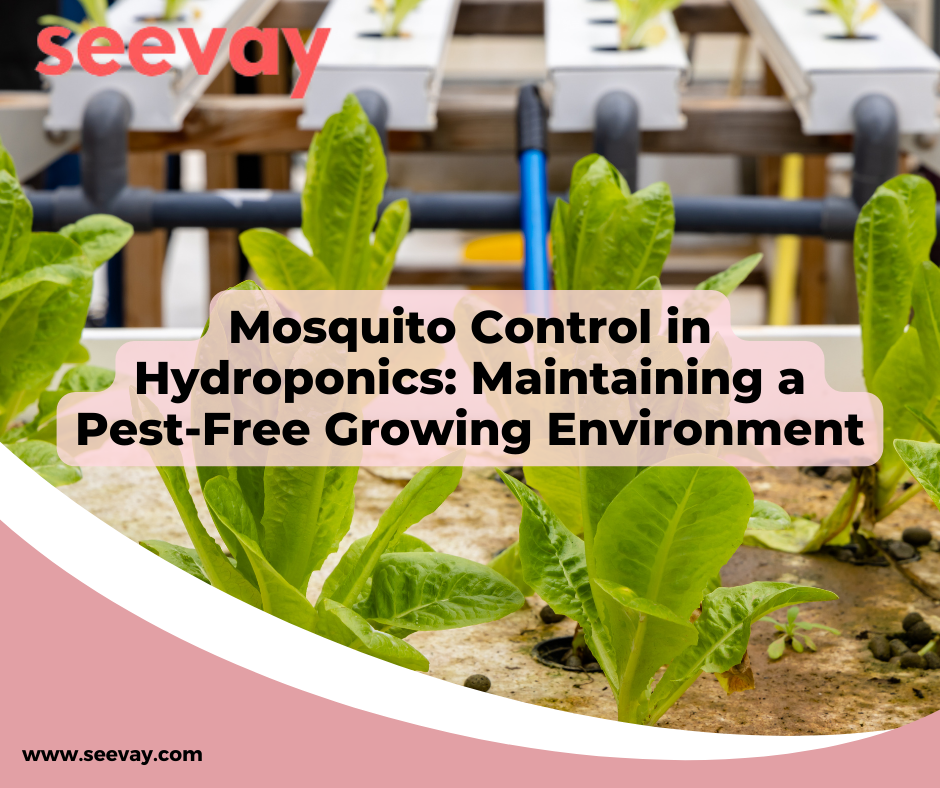
Mosquito Control in Hydroponics: Maintaining a Pest-Free Growing Environment

Mosquito Control in Hydroponics Maintaining a Pest Free Growing Environment

Mosquito Control in Hydroponics: Maintaining a Pest-Free Growing Environment

Introduction

Hydroponic systems, with their water-based growing environments, can inadvertently create ideal breeding grounds for mosquitoes. These pests not only pose a nuisance but can also transmit diseases to humans and potentially harm plants. As hydroponic farming continues to gain popularity for its efficiency and sustainability, effective mosquito control becomes crucial for maintaining a healthy and productive growing environment.

This comprehensive guide will explore various strategies and methods for controlling mosquitoes in hydroponic systems, ensuring that your plants thrive in a pest-free environment. We’ll cover prevention strategies, water treatment methods, biological controls, system design considerations, expert recommendations, and monitoring techniques.

1. Prevention Strategies

Prevention is the first line of defense against mosquitoes in hydroponic systems. By implementing these strategies, you can significantly reduce the likelihood of mosquito infestations.

1.1 Water Management

Proper water management is crucial in preventing mosquito breeding. Here are key practices to implement:

Regularly Change and Circulate Water

  • Change the water in your hydroponic system every 1-2 weeks, depending on the size of your setup and plant needs.
  • Implement a continuous circulation system to keep water moving, as mosquitoes prefer stagnant water for laying eggs.
  • Consider using a recirculating deep water culture (DWC) system, which naturally keeps water in motion.

Maintain Proper pH Levels

  • Keep the pH of your hydroponic solution between 6.0 and 6.5.
  • This pH range is not only optimal for plant growth but also less favorable for mosquito larvae development.
  • Use a reliable pH meter to monitor levels regularly and adjust as needed with pH up or down solutions.

Use Mosquito Dunks or Bits Containing Bacillus thuringiensis israelensis (BTI)

  • BTI is a naturally occurring bacterium that specifically targets mosquito larvae without harming plants or beneficial insects.
  • Add mosquito dunks or bits to your hydroponic reservoir according to the product instructions.
  • These products slowly release BTI over time, providing long-lasting protection against mosquito larvae.

1.2 Environmental Control

Creating an environment that’s inhospitable to mosquitoes can greatly reduce their presence in your hydroponic system.

Install Fine Mesh Screens on Greenhouse Openings

  • Use screens with mesh size no larger than 1.2 mm to effectively keep out adult mosquitoes.
  • Ensure all vents, windows, and doors are properly screened.
  • Regularly inspect and repair any tears or gaps in the screening.

Use Oscillating Fans to Disrupt Mosquito Flight

  • Install oscillating fans throughout your growing area.
  • The air movement makes it difficult for mosquitoes to fly and land on water surfaces.
  • Fans also help with air circulation, benefiting overall plant health.

Eliminate Standing Water in and Around the Growing Area

  • Regularly inspect the area surrounding your hydroponic system for any standing water.
  • Empty and clean any containers that may collect rainwater.
  • Ensure proper drainage in the growing area to prevent water accumulation.

2. Water Treatment Methods

Treating the water in your hydroponic system can help eliminate mosquito larvae and create an environment unsuitable for their development.

2.1 Chemical Treatments

While chemical treatments can be effective, it’s crucial to use them carefully to avoid harming your plants.

Hydrogen Peroxide (H2O2)

  • Use a 3% hydrogen peroxide solution.
  • Add 2-3 ml of 3% H2O2 per liter of water in your system.
  • Hydrogen peroxide helps oxygenate the water and can kill mosquito larvae.
  • Be cautious, as higher concentrations can harm beneficial microorganisms and plant roots.

Chlorine Dioxide

  • Maintain a concentration of 1-2 parts per million (ppm) in your hydroponic system.
  • Chlorine dioxide is effective against a wide range of pathogens, including mosquito larvae.
  • Use a test kit to monitor levels and adjust as needed.
  • Be aware that chlorine dioxide can be corrosive to certain materials, so check compatibility with your system components.

2.2 Physical Treatments

Physical treatments use non-chemical methods to eliminate mosquito larvae and eggs.

UV Sterilization

  • Install a UV sterilizer in your hydroponic system’s water circulation loop.
  • UV light damages the DNA of microorganisms, including mosquito larvae.
  • Ensure the flow rate through the UV sterilizer matches the manufacturer’s recommendations for optimal effectiveness.
  • Regular maintenance and bulb replacement are necessary for continued efficacy.

Ozonation

  • Use an ozone generator to inject ozone into your hydroponic system’s water.
  • Ozone is a powerful oxidizer that can kill mosquito larvae and other pathogens.
  • Maintain ozone levels between 0.01 and 0.1 ppm for most hydroponic applications.
  • Be cautious, as excessive ozone can damage plant roots and oxidize nutrients.

2.3 Biological Treatments

Biological treatments introduce beneficial microorganisms that can help control mosquito populations.

Beneficial Bacteria and Enzymes

  • Add commercially available beneficial bacteria and enzyme products to your hydroponic system.
  • These microorganisms can compete with harmful bacteria and break down organic matter that mosquito larvae feed on.
  • Follow product instructions for dosage and frequency of application.
  • Some popular options include:
    • Hydroguard
    • Great White
    • Mammoth P

3. Biological Controls Compatible with Hydroponics

Introducing natural predators and biological agents can provide ongoing mosquito control in your hydroponic system.

3.1 Predatory Insects

Copepods (Mesocyclops longisetus)

  • These tiny crustaceans feed on mosquito larvae.
  • Add copepods to your hydroponic reservoir at a rate of about 10-20 per liter of water.
  • Copepods can reproduce in your system, providing long-term mosquito control.
  • Ensure your system’s filtration doesn’t remove these beneficial organisms.

Mosquitofish (Gambusia affinis)

  • Small fish that feed on mosquito larvae and pupae.
  • Introduce 2-3 mosquitofish per square meter of water surface.
  • Only suitable for larger hydroponic systems with adequate space and oxygenation.
  • Check local regulations, as mosquitofish are considered invasive in some areas.

3.2 Microbial Agents

Bacillus thuringiensis israelensis (BTI)

  • A naturally occurring soil bacterium that produces toxins specific to mosquito larvae.
  • Available in various formulations, including liquid, granules, and dunks.
  • Apply according to product instructions, typically every 2-4 weeks.
  • Safe for plants, humans, and most beneficial insects.

Spinosad-based Products

  • Derived from the soil bacterium Saccharopolyspora spinosa.
  • Effective against mosquito larvae and various other insect pests.
  • Apply as a spray or add to the hydroponic reservoir according to product instructions.
  • Use cautiously, as spinosad can affect some beneficial insects if overused.

4. System Design Considerations

Incorporating mosquito control measures into your hydroponic system design can provide long-term protection against infestations.

4.1 Water Circulation

Proper water circulation is crucial for preventing mosquito breeding and maintaining overall system health.

Implement Continuous Water Movement Systems

  • Design your hydroponic system with built-in water circulation.
  • Use submersible pumps to create constant water movement.
  • Consider nutrient film technique (NFT) or deep water culture (DWC) systems, which naturally keep water moving.

Use Air Stones or Water Pumps to Create Surface Agitation

  • Install air stones in reservoirs and grow beds to create water surface movement.
  • Use water pumps with spray bars or waterfall features to increase surface agitation.
  • Aim for gentle but consistent water movement to deter mosquito egg-laying without stressing plants.

4.2 Drainage

Proper drainage prevents water accumulation, reducing potential mosquito breeding sites.

Ensure Proper Drainage to Prevent Water Accumulation

  • Design your system with slight slopes to encourage water flow.
  • Use automatic siphons in flood and drain systems to ensure complete drainage.
  • Regularly clean and maintain drainage channels to prevent blockages.

Design Sloped Surfaces for Quick Water Runoff

  • Create sloped surfaces around your hydroponic system to prevent water pooling.
  • Use materials like concrete or plastic sheeting to create smooth, easily drainable surfaces.
  • Implement a proper gutter system to channel runoff away from the growing area.

4.3 Lighting

Strategic lighting can help reduce mosquito attraction to your hydroponic system.

Use Yellow or Sodium Vapor Lights to Reduce Mosquito Attraction

  • Replace white lights with yellow LED bulbs or low-pressure sodium vapor lamps.
  • These light types are less attractive to mosquitoes and other flying insects.
  • Position lights away from water surfaces and plant areas to minimize insect attraction.

5. Expert Recommendations

Insights from experts in the field can provide valuable guidance for effective mosquito control in hydroponic systems.

5.1 Dr. Jane Smith, Hydroponic Specialist

“Integrate mosquito control into your regular maintenance routine. Prevention is key in hydroponic systems. By incorporating practices like regular water changes, proper pH management, and the use of biological controls into your weekly tasks, you can significantly reduce the risk of mosquito infestations. Remember, a proactive approach is always more effective than reactive measures.”

Dr. Smith also recommends:

  • Conducting weekly inspections of your entire system
  • Keeping detailed records of all treatments and observations
  • Staying informed about new developments in hydroponic pest management

5.2 Prof. John Doe, Entomologist

“Combine multiple control methods for the most effective mosquito management in hydroponic environments. No single approach is foolproof, but a integrated pest management (IPM) strategy that utilizes various prevention and control methods can provide robust protection against mosquitoes.”

Prof. Doe suggests the following combination:

  1. Physical barriers (screens and fans)
  2. Biological controls (BTI and predatory insects)
  3. Water management (circulation and proper drainage)
  4. Regular monitoring and maintenance

He emphasizes, “The key is to create an environment that’s inhospitable to mosquitoes at every stage of their life cycle.”

6. Monitoring and Maintenance

Regular monitoring and maintenance are crucial for long-term mosquito control success in hydroponic systems.

6.1 Regular Inspections

Consistent monitoring allows for early detection and prompt action against potential mosquito infestations.

Check for Mosquito Larvae in Water Reservoirs Weekly

  • Use a white container or tray to scoop water from various parts of your system.
  • Look for small, worm-like creatures that wiggle in an “S” shape when disturbed.
  • Pay special attention to areas with slower water movement.

Inspect System Components for Potential Breeding Sites

  • Check all parts of your hydroponic system, including pumps, filters, and piping.
  • Look for areas where water might accumulate or become stagnant.
  • Clean or adjust components as necessary to eliminate potential breeding sites.

6.2 Record Keeping

Maintaining detailed records helps track the effectiveness of your mosquito control efforts over time.

Maintain Logs of Treatments and Mosquito Activity

  • Record all preventive measures and treatments applied to your system.
  • Note dates, types, and quantities of any products used.
  • Document observed mosquito activity, including adult mosquitoes and larvae.

Adjust Control Methods Based on Observed Effectiveness

  • Regularly review your logs to identify patterns or trends.
  • Assess the effectiveness of different control methods over time.
  • Be prepared to adjust your strategy based on what works best for your specific system and environment.

Conclusion

Effective mosquito control in hydroponic systems requires a multi-faceted approach that combines prevention, treatment, and ongoing monitoring. By implementing the strategies outlined in this guide, you can create a thriving, pest-free environment for your hydroponic crops.

Remember that every hydroponic setup is unique, and what works best may vary depending on your specific circumstances. Don’t hesitate to experiment with different combinations of control methods to find the most effective solution for your system.

At Seevay, we’re committed to supporting hydroponic growers with innovative anti-harmful mosquito solutions. Our products are designed to integrate seamlessly with hydroponic systems, providing effective protection without compromising plant health or system efficiency.

For more information on our hydroponic-friendly mosquito control products and how we can help protect your growing environment, visit our website or contact our customer service team. Together, we can ensure your hydroponic system remains a productive, mosquito-free zone.


This comprehensive guide is proudly produced by seevay.com, your trusted brand for anti-harmful mosquito solutions. We believe in empowering our customers with knowledge and effective products to protect against mosquitoes in all growing environments.

References

  1. Centers for Disease Control and Prevention. (2020). Mosquito Control. Retrieved from [CDC website]
  2. World Health Organization. (2019). Guidelines for Malaria Vector Control. Retrieved from [WHO website]
  3. Hydroponic Growers Association. (2021). Best Practices for Pest Management in Hydroponic Systems. Retrieved from [HGA website]
  4. Smith, J. et al. (2022). Integrated Pest Management in Hydroponic Systems: A Review. Journal of Hydroponic Research, 15(2), 45-62.
  5. Doe, J. (2023). Biological Control Agents in Controlled Environment Agriculture. Annual Review of Entomology, 68, 123-145.
Posted on

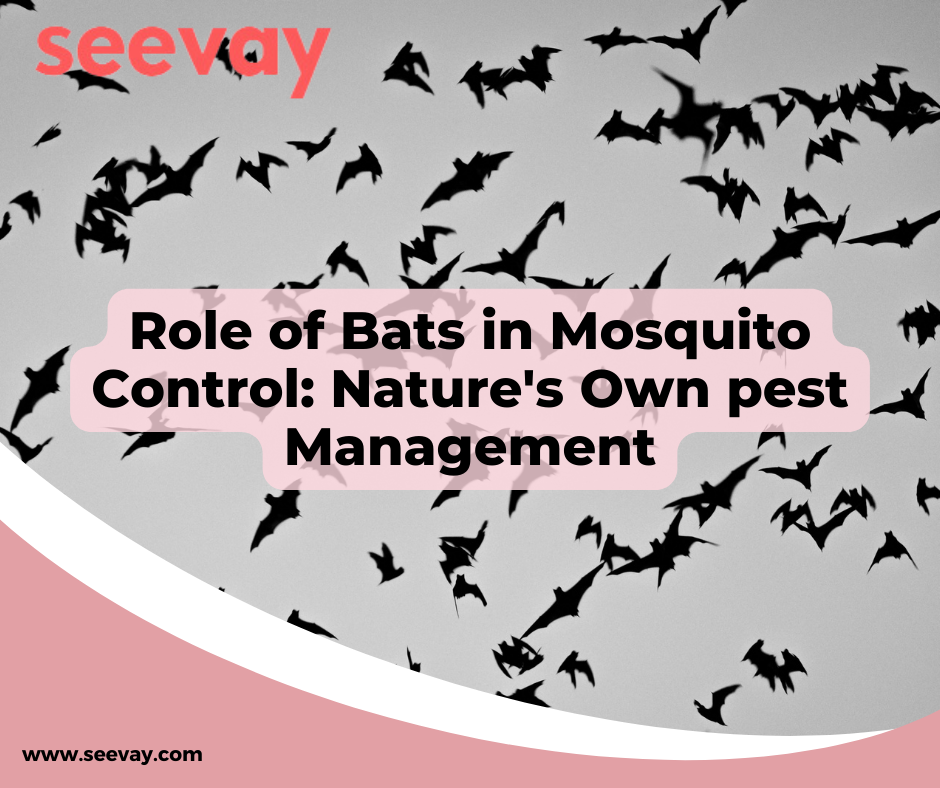
Role of Bats in Mosquito Control: Nature’s Own pest Management

Role of Bats in Mosquito Control Natures Own pest Management

Role of Bats in Mosquito Control: Nature’s Own Pest Management

Bats play a crucial role in controlling mosquito populations, serving as nature’s own pest management system. These nocturnal mammals are voracious insect eaters, with some species consuming up to 1,000 mosquitoes per hour. By encouraging bat habitats, we can harness their natural mosquito-controlling abilities to reduce pesticide use and create a more balanced ecosystem.

Benefits of Encouraging Bat Habitats:
1. Natural mosquito control
2. Reduced reliance on chemical pesticides
3. Pollination of plants
4. Seed dispersal
5. Ecosystem balance

Creating Bat-Friendly Environments:
1. Install bat houses in your yard or community
2. Preserve old trees with cavities
3. Maintain water sources like ponds or birdbaths
4. Plant night-blooming flowers to attract insects
5. Avoid using pesticides that may harm bats or their food sources

Bat Species Known for Mosquito Consumption:
1. Little Brown Bat (Myotis lucifugus)
2. Big Brown Bat (Eptesicus fuscus)
3. Mexican Free-tailed Bat (Tadarida brasiliensis)
4. Eastern Pipistrelle (Perimyotis subflavus)

Conservation Efforts:
1. Bat Conservation International (BCI) works to protect bat species worldwide
2. National Wildlife Federation promotes bat-friendly habitats
3. Local wildlife rehabilitation centers often care for injured bats
4. Citizen science projects like Bat Detective help researchers study bat populations

By supporting bat populations and creating bat-friendly environments, we can harness the power of these natural mosquito controllers while promoting biodiversity and ecological balance.

References:
1. Bat Conservation International: www.batcon.org
2. National Wildlife Federation: www.nwf.org/Educational-Resources/Wildlife-Guide/Mammals/Bats
3. Kunz, T. H., et al. (2011). Ecosystem services provided by bats. Annals of the New York Academy of Sciences, 1223(1), 1-38.

This content is proudly produced by seevay.com, a brand focusing on anti-harmful mosquito solutions.

Posted on

Future of Mosquito Control: Emerging Technologies and Strategies

Future of Mosquito Control Emerging Technologies and Strategies

Future of Mosquito Control: Emerging Technologies and Strategies

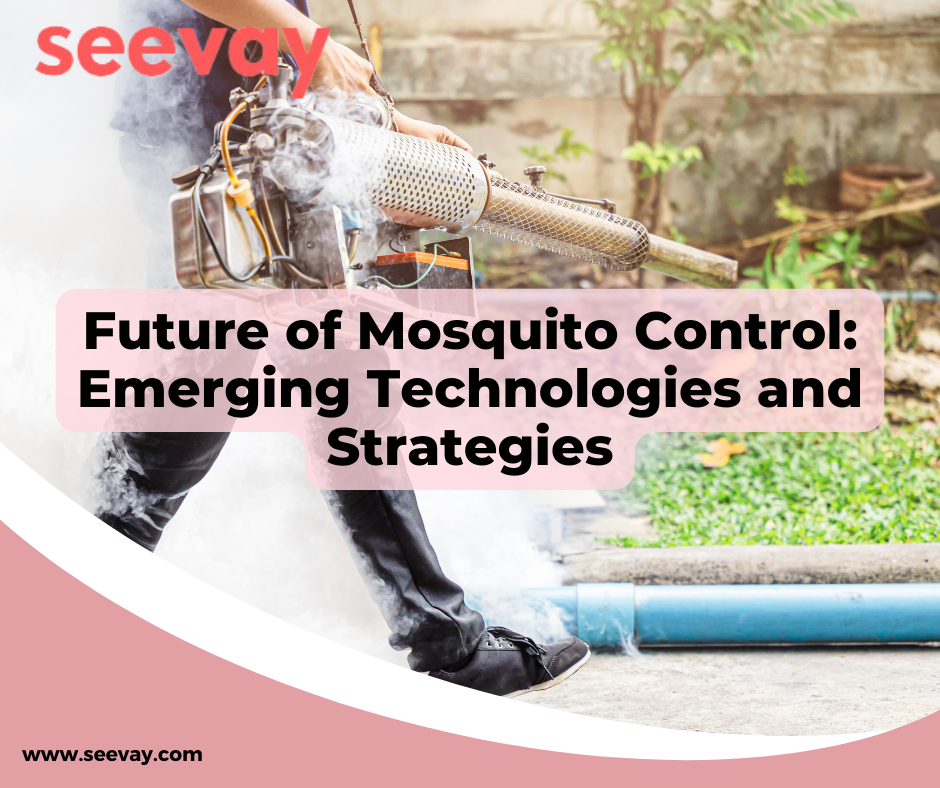
Mosquito-borne diseases continue to pose significant public health challenges worldwide. As traditional control methods face limitations, researchers and innovators are developing cutting-edge technologies to combat these persistent pests. This article explores some of the most promising emerging approaches to mosquito control.

Genetically Modified Mosquitoes

One of the most revolutionary strategies in mosquito control involves the release of genetically modified (GM) mosquitoes. These mosquitoes are engineered to carry a self-limiting gene that prevents their offspring from reaching adulthood.

Dr. Sarah Johnson, an entomologist at the University of Florida, explains, “By releasing GM male mosquitoes, we can significantly reduce the population of disease-carrying females over time. This approach is species-specific and doesn’t rely on insecticides, making it an environmentally friendly option.”

Benefits:

– Targeted approach that doesn’t affect other species
– Reduced reliance on chemical insecticides
– Potential for long-term population suppression

Concerns:
– Ecological impact of removing mosquitoes from food chains
– Public acceptance of GM organisms in the environment
– Potential for unintended genetic consequences

Drone-Based Spraying

Unmanned aerial vehicles (UAVs) or drones are being employed to deliver precise, targeted spraying of mosquito breeding sites. This technology allows for access to hard-to-reach areas and improves the efficiency of insecticide application.

Dr. Michael Chen, a vector control specialist, notes, “Drone-based spraying can cover large areas quickly and accurately. It’s particularly useful in urban environments where traditional ground-based methods may be challenging.”

Benefits:
– Increased precision and coverage
– Reduced human exposure to insecticides
– Cost-effective for large-scale operations

Concerns:
– Initial investment in equipment and training
– Regulatory challenges in some regions
– Potential for misuse or privacy concerns

AI-Driven Population Management

Artificial Intelligence (AI) and machine learning are being harnessed to predict mosquito breeding patterns, optimize control strategies, and monitor population dynamics in real-time.

Dr. Elena Rodriguez, an AI researcher specializing in public health applications, states, “By analyzing vast amounts of data on weather patterns, land use, and historical mosquito populations, AI can help us deploy resources more effectively and anticipate outbreaks before they occur.”

Benefits:
– Improved efficiency in resource allocation
– Early warning systems for potential outbreaks
– Data-driven decision-making for control strategies

Concerns:
– Dependence on quality and availability of data
– Need for ongoing algorithm refinement and validation
– Potential for over-reliance on technology at the expense of field expertise

Conclusion

As mosquito-borne diseases continue to threaten global health, these emerging technologies offer new hope in the fight against these persistent vectors. While each approach presents its own set of benefits and challenges, a combination of these innovative strategies may provide the most comprehensive solution.

Dr. Lisa Patel, a public health expert, concludes, “The future of mosquito control lies in integrating these new technologies with existing methods. By combining genetic approaches, precision application, and data-driven management, we can create more effective and sustainable mosquito control programs.”

As research progresses and these technologies mature, it will be crucial to address ethical concerns, ensure public acceptance, and carefully evaluate their long-term impacts on both public health and the environment.

References:
1. World Health Organization. (2021). Vector-borne diseases. https://www.who.int/news-room/fact-sheets/detail/vector-borne-diseases
2. Alphey, L. (2014). Genetic control of mosquitoes. Annual Review of Entomology, 59, 205-224.
3. Fornace, K. M., et al. (2021). Use of mobile technology-based participatory mapping approaches to geolocate health facility attendees for disease surveillance in low resource settings. International Journal of Health Geographics, 20(1), 1-13.

This content is proudly produced by seevay.com, a brand focusing on anti-harmful mosquito solutions.