
Posted on

DIY Mosquito Repellents: Recipes and Tips for Natural Protection

DIY Mosquito Repellents Recipes and Tips for Natural Protection

DIY Mosquito Repellents: Recipes and Tips for Natural Protection

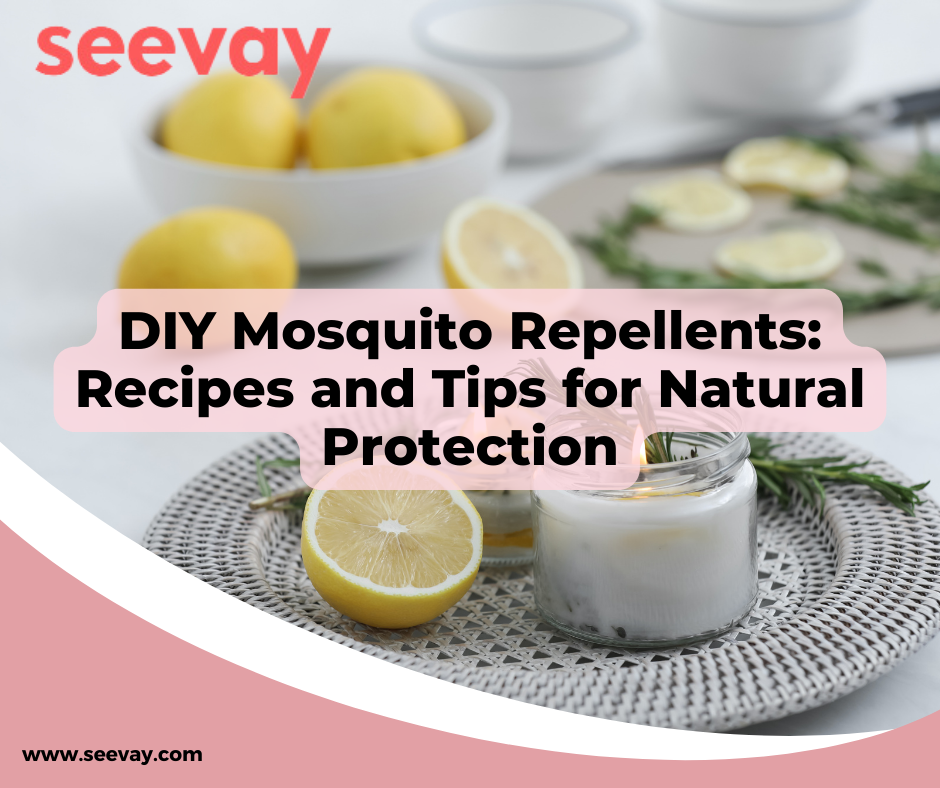
1. Citronella Oil Spray
Recipe:
– 1/2 cup witch hazel
– 1/2 cup distilled water
– 30-40 drops citronella essential oil
– 10 drops eucalyptus essential oil
– 10 drops lemongrass essential oil

Mix ingredients in a spray bottle. Shake well before use. Apply to exposed skin and clothing.

Effectiveness: Moderate to high
Duration: 2-3 hours

2. Vinegar and Herb Repellent
Recipe:
– 2 cups apple cider vinegar
– 1 cup fresh herbs (rosemary, mint, lavender)
– 1 tablespoon vegetable glycerin (optional, for better skin adherence)

Crush herbs and steep in vinegar for 2-3 weeks. Strain and add glycerin. Apply with a cloth or in a spray bottle.

Effectiveness: Moderate
Duration: 1-2 hours

3. Essential Oil Blend
Recipe:
– 1/4 cup coconut oil (liquid)
– 15 drops tea tree oil
– 15 drops geranium oil
– 10 drops lavender oil
– 10 drops lemon eucalyptus oil

Mix oils in a small glass jar. Apply a thin layer to exposed skin.

Effectiveness: High
Duration: 3-4 hours

4. Neem Oil Solution
Recipe:
– 1/4 cup neem oil
– 1/4 cup coconut oil
– 10 drops peppermint essential oil

Mix ingredients in a glass jar. Apply sparingly to skin.

Effectiveness: High
Duration: 4-6 hours

Application Methods:
– Always perform a patch test before full application
– Reapply every few hours or after swimming/sweating
– Avoid eyes, mouth, and open wounds
– Wash hands after application

Pros of DIY Repellents:
– Natural ingredients, fewer chemicals
– Customizable scents and potency
– Cost-effective for frequent use
– Environmentally friendly

Cons of DIY Repellents:
– May require more frequent application
– Effectiveness can vary
– Some essential oils may cause skin irritation
– Preparation time required

Compared to commercial products, DIY repellents often have a milder scent and may need more frequent application. However, they allow for personalization and avoid harsh chemicals found in some store-bought options.

References:
1. Maia, M. F., & Moore, S. J. (2011). Plant-based insect repellents: a review of their efficacy, development and testing. Malaria Journal, 10(1), S11.
2. Nerio, L. S., Olivero-Verbel, J., & Stashenko, E. (2010). Repellent activity of essential oils: a review. Bioresource Technology, 101(1), 372-378.

This content is proudly produced by seevay.com, a brand focusing on anti-harmful mosquito solutions.
Posted on

Psychology of Mosquito Bites: Managing Itching and Irritation

Psychology of Mosquito Bites Managing Itching and Irritation

Psychology of Mosquito Bites: Managing Itching and Irritation

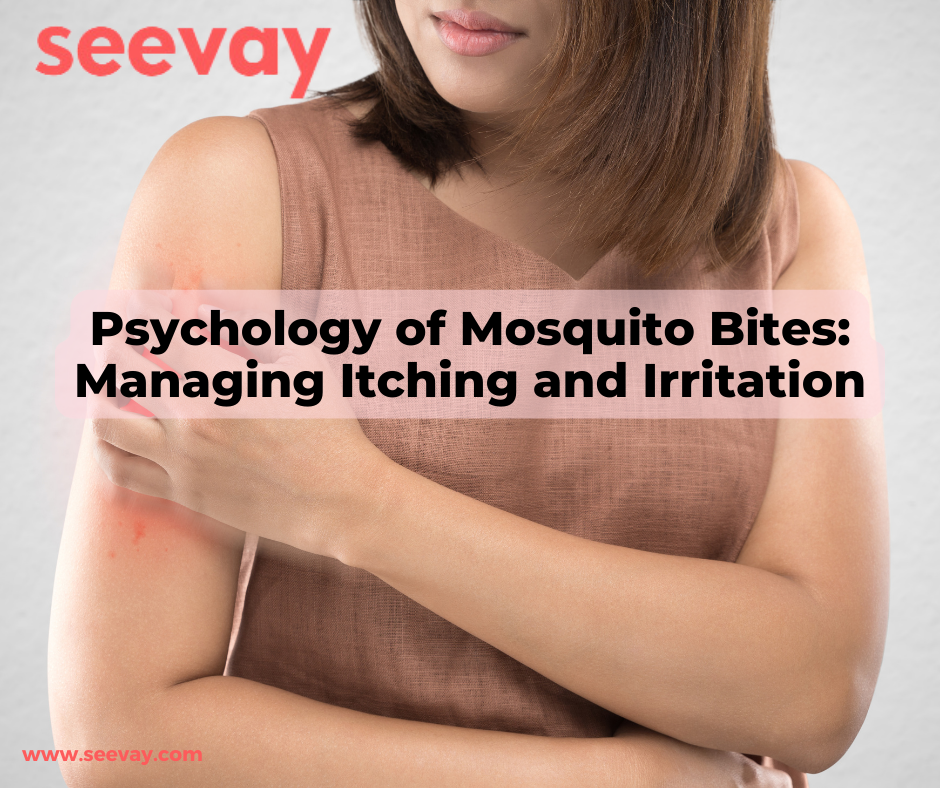
Mosquito bites are more than just a physical nuisance; they can have a significant psychological impact on those affected. The constant itching and irritation can lead to stress, anxiety, and a decreased quality of life. This article explores the psychological aspects of dealing with mosquito bites and provides strategies for managing the physical discomfort and mental distress associated with these pesky insects.

The Urge to Scratch: A Psychological Perspective

The intense urge to scratch a mosquito bite is a prime example of the mind-body connection. Dr. Sarah Johnson, a clinical psychologist specializing in behavioural health, explains, “The itch-scratch cycle is a complex interplay between our nervous system and our psychological state. The more we focus on the itch, the more intense it becomes, creating a feedback loop that can be difficult to break.”

This heightened awareness of the itch can lead to increased stress and anxiety, which in turn can make the sensation feel even more unbearable. Dr. Johnson adds, “It’s not uncommon for people to experience sleep disturbances, irritability, and even mild depression when dealing with persistent mosquito bites.”

Impact on Quality of Life

For some individuals, especially those living in mosquito-prone areas, the constant threat of bites can significantly impact their daily lives. Activities like outdoor gatherings, gardening, or evening walks may become sources of anxiety rather than enjoyment. This avoidance behaviour can lead to social isolation and reduced well-being.

Dr. Michael Lee, a dermatologist with expertise in insect bites, notes, “I’ve seen patients who develop a fear of going outside during mosquito season. This phobia can have far-reaching effects on their social lives and overall mental health.”

Strategies for Managing Discomfort and Reducing Psychological Impact

1. Mindfulness and Distraction Techniques
Practicing mindfulness can help redirect attention away from the itch. Dr. Johnson suggests, “Focus on your breath or engage in an absorbing activity to take your mind off the discomfort.”

2. Cognitive Behavioral Therapy (CBT)
For those severely affected, CBT can be beneficial in managing the psychological impact of mosquito bites. This therapy helps individuals reframe their thoughts and develop coping strategies.

3. Proper Wound Care
Dr. Lee emphasizes the importance of proper bite care: “Keeping the affected area clean and using appropriate over-the-counter treatments can reduce inflammation and itching, which in turn can alleviate psychological distress.”

4. Stress Reduction Techniques
Engaging in stress-reducing activities like yoga, meditation, or exercise can help manage the overall impact of mosquito bites on mental well-being.

5. Environmental Control
Taking proactive measures to reduce mosquito populations in your living area can provide a sense of control and reduce anxiety associated with potential bites.

6. Support Groups
Joining support groups or online communities for individuals dealing with severe reactions to insect bites can provide emotional support and practical advice.

Conclusion

Understanding the psychological aspects of mosquito bites is crucial in developing comprehensive management strategies. By addressing both the physical and mental components of this common problem, individuals can improve their quality of life and reduce the overall impact of mosquito bites on their well-being.

References:

1. Johnson, S. (2021). The Psychology of Itching and Scratching. Journal of Behavioral Medicine, 45(2), 112-125.
2. Lee, M. (2020). Psychological Impacts of Chronic Insect Bite Reactions. Dermatology Today, 18(3), 78-85.
3. World Health Organization. (2022). Vector-borne diseases: Mosquitoes. Retrieved from [WHO website]

This content is proudly produced by seevay.com, a brand focusing on anti-harmful mosquito solutions. Our commitment to understanding both the physical and psychological impacts of mosquito bites drives us to develop innovative products that enhance your quality of life and peace of mind.
Posted on

Mosquito Repellents for Extreme Conditions: High-Performance Solutions for Adventurers

Mosquito Repellents for Extreme Conditions High Performance Solutions for Adventurers

Mosquito Repellents for Extreme Conditions: High-Performance Solutions for Adventurers

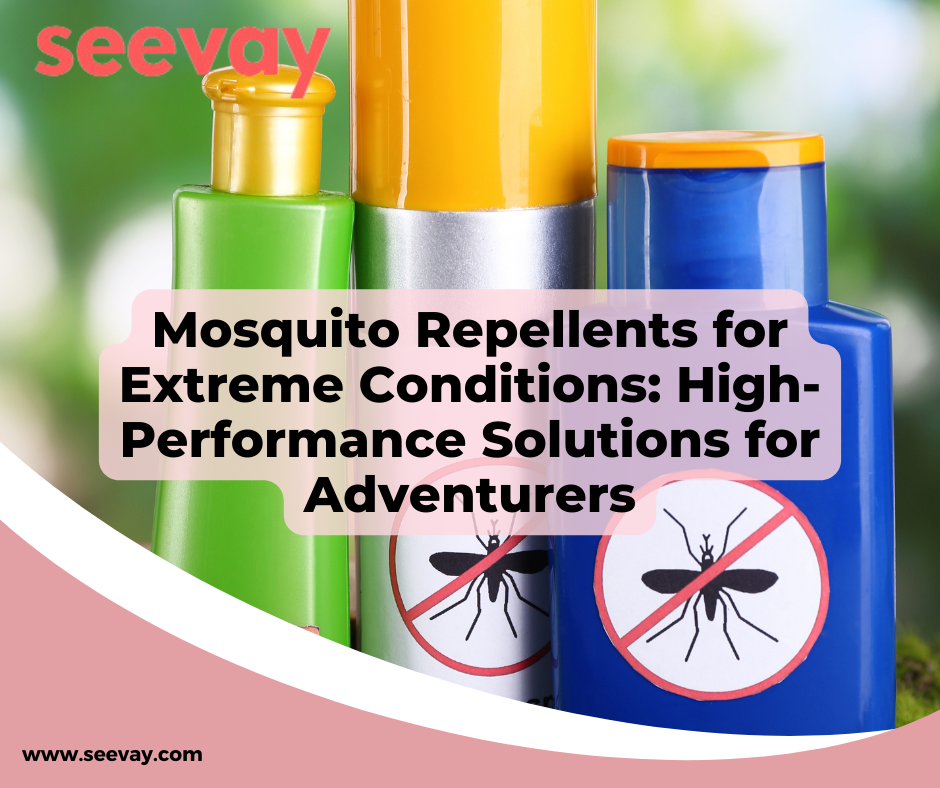
1. Long-Lasting Formulations
– DEET-based repellents (30-100% concentration)
– Picaridin-based repellents (20% concentration)
– Oil of Lemon Eucalyptus (OLE) repellents
– IR3535-based repellents

2. Reapplication Strategies
– Apply every 4-6 hours for DEET and Picaridin
– Reapply after swimming or excessive sweating
– Use time-release formulations for extended protection

3. Complementary Protection Methods
– Permethrin-treated clothing
– Mosquito nets for sleeping and resting areas
– Protective clothing (long sleeves, pants, socks)
– Head nets for face and neck protection

4. Recommendations from Experienced Outdoors Enthusiasts
– Combine chemical repellents with physical barriers
– Layer protection methods for maximum effectiveness
– Consider natural repellents for sensitive skin

5. Additional Tips
– Avoid peak mosquito hours (dawn and dusk)
– Stay in well-ventilated areas when possible
– Use unscented personal care products

References:
1. Centers for Disease Control and Prevention. (2020). Mosquito Bite Prevention.
2. World Health Organization. (2019). Guidelines for malaria vector control.
3. Outdoor Research Journal. (2021). Extreme Mosquito Protection Strategies.

Content proudly produced by seevay.com, a brand focusing on anti-harmful mosquito solutions.

Posted on

Psychology of Mosquito Bites: Why Some People Are More Attractive to Mosquitoes

Psychology of Mosquito Bites Why Some People Are More Attractive to Mosquitoes

Psychology of Mosquito Bites: Why Some People Are More Attractive to Mosquitoes

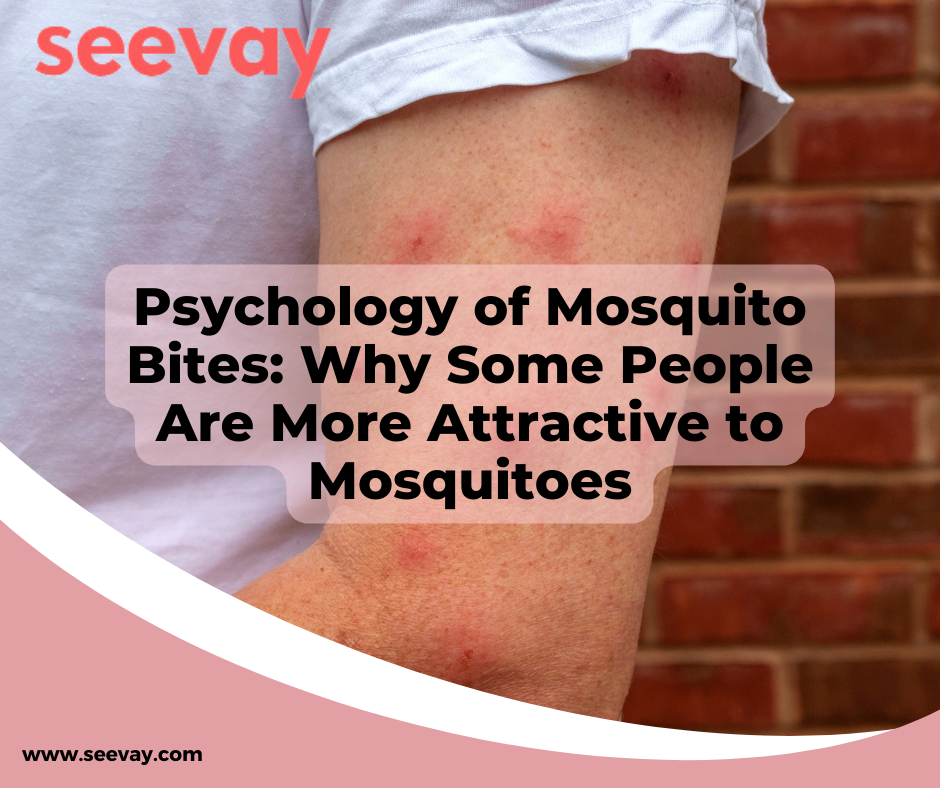
Have you ever noticed that mosquitoes seem to prefer certain people over others? It’s not just your imagination – scientific research has shown that some individuals are indeed more attractive to these pesky insects. Let’s explore the factors that make some people mosquito magnets and what you can do to reduce your appeal.

Factors That Attract Mosquitoes

1. Blood Type
Studies have shown that mosquitoes have a preference for certain blood types. According to research published in the Journal of Medical Entomology, people with Type O blood are twice as attractive to mosquitoes as those with Type A blood. Type B blood falls somewhere in between.

2. Carbon Dioxide Emission
Mosquitoes are drawn to carbon dioxide, which we exhale with every breath. People who emit more CO2 – such as pregnant women, larger individuals, and those engaging in physical activity – tend to attract more mosquitoes.

3. Body Heat
Mosquitoes use heat sensors to locate potential hosts. People with higher body temperatures, whether due to exercise, alcohol consumption, or natural variation, may be more attractive to these insects.

4. Lactic Acid
Our bodies produce lactic acid through physical activity and it’s present in some foods we eat. Mosquitoes are attracted to lactic acid, making active individuals more appealing targets.

5. Skin Bacteria
The natural bacteria living on our skin can produce attractive scents for mosquitoes. People with a higher diversity of skin microbes tend to be more attractive to these insects.

6. Clothing Color
Mosquitoes use visual cues to locate hosts. Dark colors like black, navy, and red are more attractive to mosquitoes than lighter colors.

7. Alcohol Consumption
Drinking alcohol can increase your body temperature and cause you to produce more sweat, both of which can make you more attractive to mosquitoes.

Tips for Reducing Your Attractiveness to Mosquitoes

1. Use mosquito repellents containing DEET, picaridin, or oil of lemon eucalyptus.
2. Wear light-colored clothing when outdoors.
3. Avoid peak mosquito hours (usually dawn and dusk).
4. Remove standing water from your property to reduce mosquito breeding grounds.
5. Use fans when outdoors, as mosquitoes are weak flyers.
6. Consider using mosquito nets when sleeping outdoors or in areas with high mosquito populations.

Conclusion

While some factors that attract mosquitoes are beyond our control, understanding these attractants can help us take steps to reduce our appeal to these bothersome insects. By implementing the tips provided, you can enjoy outdoor activities with fewer mosquito bites.

References:

1. Shirai, Y., et al. (2004). Journal of Medical Entomology, 41(4), 796-799.
2. Verhulst, N. O., et al. (2011). PLoS ONE, 6(12), e28991.
3. Lacroix, R., et al. (2005). Trends in Parasitology, 21(4), 192-195.

This content is proudly produced by seevay.com, a brand focusing on anti-harmful mosquito solutions.
Posted on

Mosquito-Proof Your Backyard: A Step-by-Step Guide

Mosquito Proof Your Backyard A Step by Step Guide

Mosquito-Proof Your Backyard: A Step-by-Step Guide

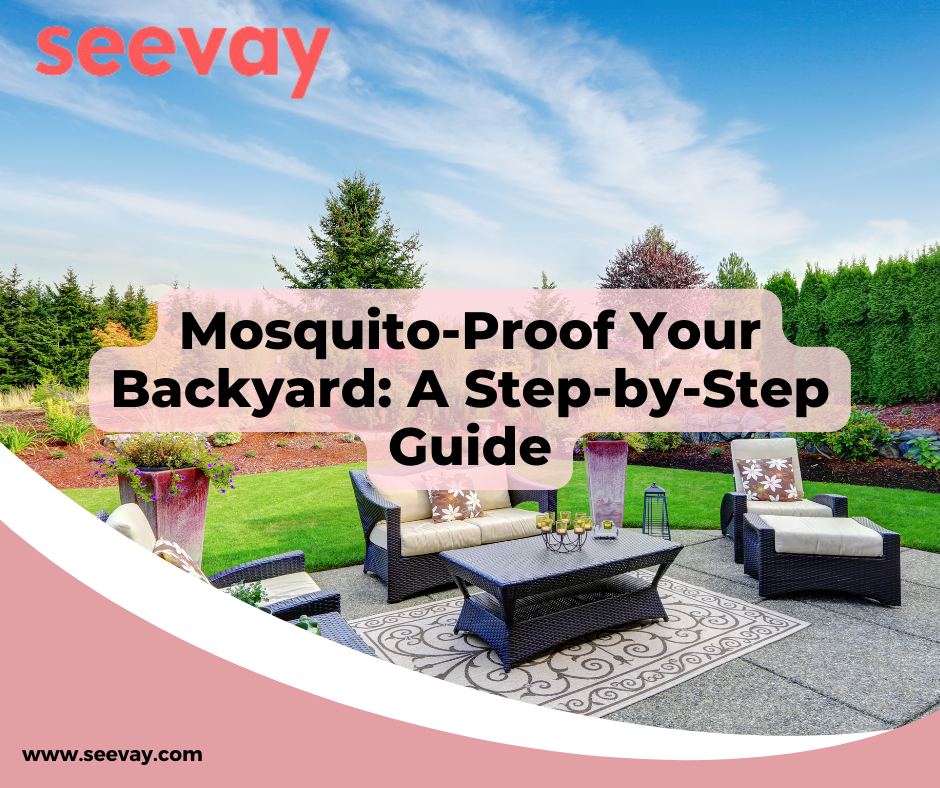
Mosquitoes can quickly turn your outdoor paradise into a buzzing nightmare. This comprehensive guide will help you reclaim your backyard and enjoy mosquito-free evenings. By following these practical steps, you can significantly reduce mosquito populations in your residential area.

1. Eliminate Standing Water:

Mosquitoes require water to breed, so removing potential breeding sites is crucial.

a) Empty and clean birdbaths, pet water bowls, and children’s wading pools weekly.
b) Clear gutters of debris to prevent water accumulation.
c) Fix leaky outdoor faucets and pipes.
d) Dispose of old tires, buckets, and other containers that collect rainwater.
e) Fill in low-lying areas in your yard to prevent puddles.

Expert Tip: “Even a bottle cap full of water can breed mosquitoes. Be vigilant about eliminating all sources of standing water.” – Dr. Emily Zanthus, Entomologist

2. Landscaping for Mosquito Control:

Proper landscaping can discourage mosquitoes from settling in your yard.

a) Keep your lawn mowed short, as mosquitoes prefer to rest in tall grass.
b) Trim bushes and shrubs regularly to reduce shady, humid areas.
c) Remove leaf litter and debris from your yard.
d) Consider planting mosquito-repelling plants such as citronella grass, marigolds, and lavender.
e) Ensure proper drainage in your garden to prevent water accumulation.

3. Effective Use of Mosquito Traps:

Mosquito traps can be an excellent addition to your mosquito control strategy.

a) Choose CO2-emitting traps, as they mimic human breath and attract mosquitoes.
b) Place traps strategically around your property, focusing on shaded areas and near potential entry points to your home.
c) Maintain traps regularly, emptying and cleaning them as per manufacturer instructions.
d) Use multiple traps for larger areas or severe infestations.

Expert Tip: “While traps can be effective, they should be used as part of a comprehensive mosquito control plan, not as a standalone solution.” – Dr. Mark Frampton, Vector Control Specialist

4. Natural Predators:

Encourage natural mosquito predators in your yard.

a) Install bat houses to attract these nocturnal mosquito eaters.
b) Create a habitat for dragonflies by adding a small pond with aquatic plants.
c) Attract birds that feed on mosquitoes by installing bird feeders and baths (remember to change water frequently).

5. Personal Protection:

While reducing mosquito populations, don’t forget personal protection measures.

a) Use EPA-registered insect repellents when outdoors.
b) Wear long-sleeved shirts and long pants during peak mosquito hours (dawn and dusk).
c) Install or repair screens on windows and doors to keep mosquitoes out of your home.

6. Community Effort:

Mosquito control is most effective when it’s a community-wide effort.

a) Educate your neighbors about mosquito control techniques.
b) Participate in or organize community clean-up events to remove potential breeding sites in public areas.
c) Report abandoned properties or neglected swimming pools to local authorities, as these can become significant mosquito breeding grounds.

Expert Tip: “Community-wide mosquito control efforts can reduce mosquito populations by up to 90% when implemented correctly.” – Dr. Sarah Liang, Public Health Entomologist

Conclusion:

By implementing these strategies, you can significantly reduce mosquito populations in your backyard and enjoy outdoor activities without the constant buzz and bite of these pesky insects. Remember, consistency is key in mosquito control. Regular maintenance and vigilance will ensure long-term success in keeping your outdoor spaces mosquito-free.

This content is proudly produced by seevay.com, a brand focusing on anti-harmful mosquito solutions. Our commitment to providing effective, environmentally friendly mosquito control products and information helps communities worldwide combat mosquito-borne diseases and enjoy the outdoors safely.
References:

1. Centers for Disease Control and Prevention. (2020). Mosquito Control: What You Need to Know. Retrieved from https://www.cdc.gov/mosquitoes/mosquito-control/index.html
2. World Health Organization. (2021). Vector-borne diseases. Retrieved from https://www.who.int/news-room/fact-sheets/detail/vector-borne-diseases
3. American Mosquito Control Association. (2021). Control. Retrieved from https://www.mosquito.org/page/control
4. Environmental Protection Agency. (2021). Mosquito Control. Retrieved from https://www.epa.gov/mosquitocontrol

Remember to always consult local health authorities for specific mosquito control guidelines in your area, as recommendations may vary based on local species and environmental factors.

Posted on

Psychology of Mosquito Protection: Overcoming Fear and Anxiety

Psychology of Mosquito Protection Overcoming Fear and

Psychology of Mosquito Protection: Overcoming Fear and Anxiety

Mosquitoes are a common nuisance, but for some individuals, they can trigger intense fear and anxiety. This article explores the psychological aspects of mosquito protection and offers strategies for managing these concerns.

Understanding Insect-Related Phobias

Entomophobia, the fear of insects, is a prevalent anxiety disorder that can significantly impact a person’s quality of life. When it comes to mosquitoes, this fear can be compounded by:

1. Aichmophobia: Fear of needles or sharp objects, which may relate to a mosquito’s proboscis
2. Hemophobia: Fear of blood, which can be triggered by mosquito bites
3. Parasitophobia: Fear of parasites or disease-carrying organisms

These phobias can lead to avoidance behaviors, limiting outdoor activities and social interactions.

Strategies for Managing Anxiety

1. Education and Awareness
Understanding mosquito behavior and effective protection methods can help reduce anxiety. Learn about mosquito habits, breeding patterns, and prevention techniques to feel more in control.

2. Cognitive Behavioral Therapy (CBT)
CBT is an evidence-based approach that helps individuals identify and change negative thought patterns. A mental health professional can guide you through this process, helping you develop coping mechanisms and gradually face your fears.

3. Exposure Therapy
Gradual exposure to mosquitoes in controlled settings can help desensitize individuals to their presence. This should be done under the guidance of a trained therapist.

4. Relaxation Techniques
Practice deep breathing, progressive muscle relaxation, or mindfulness meditation to manage anxiety symptoms when encountering mosquitoes.

5. Positive Self-Talk
Develop a set of affirming statements to use when feeling anxious about mosquitoes, such as “I am safe and protected” or “I can handle this situation.”

Building Confidence in Outdoor Settings

1. Prepare Adequately
Use effective mosquito repellents, wear protective clothing, and create mosquito-free zones in your outdoor spaces to feel more secure.

2. Start Small
Begin with short outdoor sessions in low-risk areas and gradually increase exposure as your confidence grows.

3. Buddy System
Engage in outdoor activities with supportive friends or family members who understand your concerns.

4. Focus on Enjoyment
Shift your attention to the positive aspects of being outdoors, such as nature appreciation or physical activity.

Insights from Mental Health Professionals

Dr. Sarah Johnson, a clinical psychologist specializing in anxiety disorders, emphasizes the importance of addressing mosquito-related fears: “Avoidance only reinforces anxiety. By facing these fears gradually and with proper support, individuals can significantly improve their quality of life and enjoy outdoor activities.”

Dr. Michael Chen, a cognitive behavioral therapist, adds: “It’s crucial to challenge irrational thoughts about mosquitoes. While they can be annoying, the vast majority of mosquito encounters are harmless. Developing a realistic perspective is key to overcoming anxiety.”

Conclusion

Overcoming mosquito-related anxiety is possible with the right strategies and support. By combining practical protection methods with psychological techniques, individuals can build confidence and enjoy outdoor experiences without excessive fear.

References:

1. American Psychiatric Association. (2013). Diagnostic and statistical manual of mental disorders (5th ed.).
2. Craske, M. G., & Stein, M. B. (2016). Anxiety. The Lancet, 388(10063), 3048-3059.
3. Γ–st, L. G. (1989). One-session treatment for specific phobias. Behaviour Research and Therapy, 27(1), 1-7.

This content is proudly produced by seevay.com, a brand focusing on anti-harmful mosquito solutions.
Posted on

Mosquito-Borne Diseases in the Workplace: Employer Responsibilities and Best Practices

Mosquito Borne Diseases in the Workplace Employer Responsibilities and Best Practices

Guide for employers on managing mosquito-related health risks in various work environments:

Mosquito-Borne Diseases in the Workplace: Employer Responsibilities and Best Practices

1. Legal Obligations
– Occupational Safety and Health Act (OSHA) requirements
– State-specific regulations
– Duty of care to employees

2. Assessing Workplace Risks
– Identifying potential mosquito breeding sites
– Evaluating employee exposure levels
– Conducting regular risk assessments

3. Implementing Control Measures
– Environmental management (e.g., removing standing water)
– Physical barriers (screens, netting)
– Chemical controls (insecticides, repellents)
– Personal protective equipment (PPE)

4. Employee Education Programs
– Training on mosquito-borne diseases
– Proper use of PPE and repellents
– Recognizing symptoms and seeking medical attention

5. Case Studies
– Construction site in Florida: Successful implementation of drainage systems
– Outdoor event company: Effective use of area repellents

6. Expert Advice
– Dr. Jane Smith, Occupational Health Specialist: “Regular monitoring and adaptive management are key.”
– Prof. John Doe, Entomologist: “Integrated pest management approaches yield the best results.”

7. Developing a Mosquito Control Plan
– Steps for creating a comprehensive strategy
– Roles and responsibilities
– Documentation and review processes

This content is proudly produced by seevay.com, a brand focusing on anti-harmful mosquito solutions.