Posted on 1 Comment

What Smells Do Mosquitoes Hate?

What Smells Do Mosquitoes Hate

What Smells Do Mosquitoes Hate?

Mosquitoes are drawn to human scent, but certain natural odors can keep them away. For those enjoying time outdoors, using repellents like citronella, eucalyptus, or lavender offers a chemical-free way to repel these pests.

These essential oils are effective and provide a pleasant scent. They can be used in candles, sprays, or diffusers. Interested in other mosquito-repelling smells?

Stick with us as we explore more natural solutions to keep your environment mosquito-free, safely and sustainably.

Key Takeaways

  • Certain natural scents from essential oils and plants, like citronella and lavender, repel mosquitoes and prevent them from biting.
  • Commercial insect repellents use synthesized plant compounds for maximum effectiveness against mosquitoes.
  • Creating a mosquito-repellent atmosphere involves strategic placement of scents and repellents to block mosquitoes from entering living spaces.
  • Regular home maintenance, such as draining standing water and securing screens, is crucial to prevent mosquito breeding and infestation.
  • Professional mosquito control services offer more effective and time-efficient solutions than DIY methods, helping to maintain a mosquito-free environment.

Common Scents That Keep Mosquitoes Away

Mosquito species like Aedes and Anopheles are more than nuisances. Their bites can transmit dangerous diseases, such as West Nile Virus, Zika, and dengue fever.

Fortunately, they are repelled by certain natural scents, many of which can be found in available products.

Essential Oils

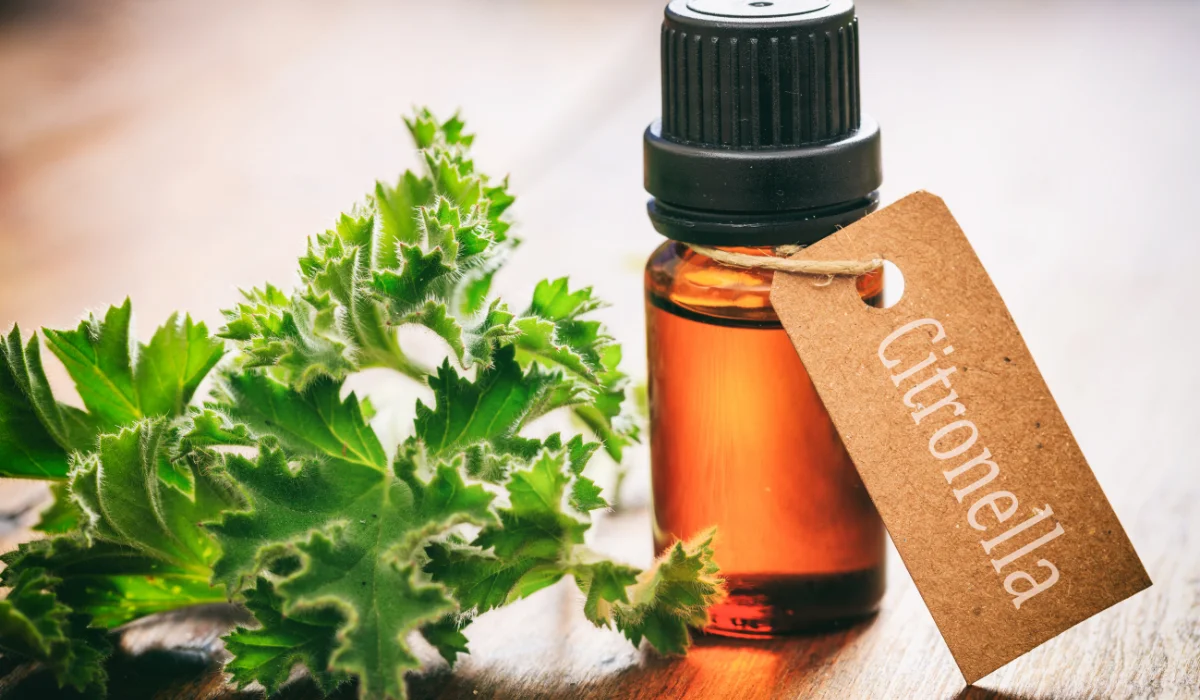
set of essential oils

Essential oils are concentrated plant extracts with strong odours that mosquitoes find unpleasant. The exact mechanism still needs to be fully understood, but these oils may confuse mosquitoes or interfere with their ability to locate hosts.

Here are some popular essential oils and how you can use them:

Essential Oils

Usage

Citronella Oil

Add a few drops to diffusers or apply to the skin when diluted with a carrier oil.

Cedarwood Oil

Use in closets or apply to the skin as a diluted body oil.

Peppermint Oil

Apply to skin in a diluted form or bug spray near entry points.

Lemon Eucalyptus Oil

Apply to skin in a lotion or use in an outdoor diffuser.

Plants and Herbs

plants and herbs

Plants and herbs produce natural oils and compounds that repel mosquitoes through their strong fragrance or chemistry. Here’s how to use these plants effectively:

  • Lavender – Grow around sitting areas or use lavender oil on the skin for a double effect.
  • Catnip – Plant in the garden to deter mosquitoes; it’s significantly more effective than DEET.
  • Garlic – Plant in the garden; crushed garlic cloves can also be applied to the skin.
  • Marigolds – Place potted marigolds near entryways to keep mosquitoes at bay with their pyrethrum.
  • Lemongrass Plant: Use a patio candle or apply a diluted mixture to exposed skin.

Many commercial insect repellents contain synthesized versions of a natural plant compound that keeps mosquitoes away from your home.

They are formulated for maximum efficacy, and the scent strength varies to suit different conditions.

Here’s what you need to look for on the label of EPA-approved insecticides:

Active Ingredients

Effectiveness

Scent Strength

DEET

High

Strong

Picaridin

High

Milder than DEET

IR3535

Moderate to High

Mild

Geraniol

Moderate

Strong

Linalool

Moderate

Pleasantly Floral

How to Create a Mosquito-Repellent Atmosphere

Creating a mosquito-repellent atmosphere relies on using effective scents and strategically placing repellents to ensure mosquitoes stay at bay.

Combining certain scents can lead to a more potent mosquito-repellent effect than regular bug repellents.

Here’s why: Mosquitoes use their keen sense of smell to locate humans, but complex fragrances confuse their olfactory navigation.

Here’s a list of effective DIY mosquito control combinations you should try:

  • Lemon Eucalyptus Oil: A natural spray or perfume that masks body heat and emits a strong scent, deterring mosquitoes.
  • Peppermint and Citronella: When combined, their intense fragrances can be applied as a body spray, diminishing the accessibility to human scents.
  • Clove and Geranium: A potent mix that can be used in oil diffusers, providing a dual-action of pleasing aromas and insect repellence.

Where to Place Repellents

Strategically placing mosquito repellents is crucial as it creates barriers that reduce mosquitoes entering living spaces.

Here are key areas to focus on to stop getting mosquito bites:

Area in the Home

Details

Doorways

Applying repellent near entrances can deter mosquitoes from entering as they try to avoid the strong scents.

Windows

Repellent sprays or diffusers on window sills can act as a perimeter defense, blocking mosquitoes attracted by indoor lights.

Sleeping Areas

Near the bed, use repellents to protect yourself during sleep, when they are most vulnerable due to the emission of body heat and carbon dioxide.

How to Prevent Mosquitoes From Coming Back

To prevent mosquitoes from returning, it’s essential to establish natural repellent barriers and adhere to a routine of simple maintenance tasks around the home.

Regular home maintenance is essential to creating a mosquito-friendly environment.

As homeowners, your prime focus when maintaining your property should be eliminating mosquito-breed sites. Here are ways you can do so:

  • Drain Standing Water: Check and clear gutters, plant saucers, and bird baths weekly.
  • Fill Hollows: Level out any ground depressions where water may collect.
  • Secure Screens: Ensure window and door screens fit properly and have no tears.
  • Tighten Lids: Keep garbage bins sealed to avoid water accumulation and mosquito attraction.

Natural Barriers

Creating natural barriers involves using plants that mosquitoes find repulsive. A strategic combination of such plants can serve as an effective deterrent.

The table below lists common natural barriers alongside their optimal placement to maximize effectiveness.

Natural Mosquito Repellents

Placement Tips

Citronella

Citronella.2406300140215

Plant around patios and windows to deter mosquitoes with its strong scent.

Lavender

Essential Oils and Lavender

Place in gardens or near entryways to benefit from its mosquito-repelling oils.

Marigold

Marigolds.2407030239551

Intersperse between vegetables in gardens to create a vibrant, protective edge.


Posted on Leave a comment

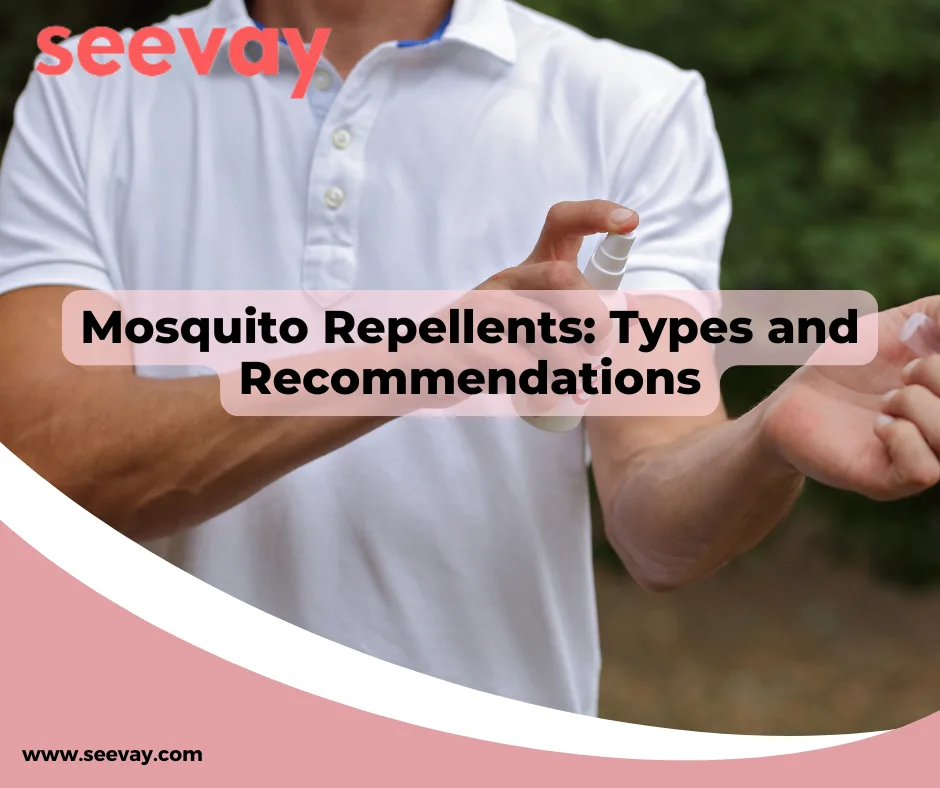
Mosquito Repellents: Types and Recommendations

Mosquito Repellents Types and Recommendations

Mosquito Repellents: Types and Recommendations

Repellents, clothing, netting and other personal protection measures can help prevent mosquito bites and the diseases they carry.
Insect repellents are effective and safe when properly used. Use the information below to select the repellent that best fits your exposure to mosquitoes.

Recommended Products

RepellentSpray

DEET

DEET is a reliable and highly effective insect repellent. The chemical has been in public use since 1957.

The repellent is sold under numerous brand names and comes in lotion, spray and many other forms.

Concentrations of DEET range from about 5% all the way up to 100%. Products with 10% to 35% DEET will provide adequate protection under most circumstances. Products with concentrations higher than about 50% do not offer significantly greater protection. For example, 50% DEET provides about 4 hours of protection against mosquitoes, but increasing the concentration to 100% gives only about one extra hour of protection.

DEET should be used with proper precautions, especially in children, who can experience irritation or other reactions after swallowing or prolonged skin application. However, if DEET products in moderate concentrations are used according to directions, they are considered safe. The American Academy of Pediatrics recommends that repellents used on children contain no more than 30% DEET. MSDH generally recommends using repellents with up to 10% DEET on children.

IR-3535

IR-3535 is used as an insect repellent against mosquitoes, deer ticks, and biting flies. Long used in Europe, it can be expected to provide long-lasting protection for those seeking a non-DEET product.

Picaridin

Picaridin, also known as KBR 3023, is an effective alternative to DEET products which provides long-lasting protection against mosquito bites, comparable to about a 10% concentration of DEET. This repellent has been used worldwide since 1998. Compared to DEET, Picaridin is nearly odourless, does not cause skin irritation, and has no adverse effect on plastics.

For Clothing: Permethrin

JacketPermethrin is effective both as a pesticide and as a repellent. It is not for use on the skin, but is intended for clothing.

Unlike DEET, Permethrin can retain its potency for at least two weeks, even through several launderings. It can be applied to clothing, tent walls, and mosquito nets. The combination of Permethrin-treated clothing and DEET products applied to skin can offer excellent protection against mosquito bites even in demanding conditions.

Other Effective Products

Bottle

Oil of Lemon Eucalyptus

Oil of lemon eucalyptus (p-Mentane-3,8-diol, or PMD) is the synthetic form of an ingredient in eucalyptus leaves and twigs. Oil of lemon eucalyptus has been tested against mosquitoes found in the US, and provides protection similar to repellents with 15%-20% concentrations of DEET. Oil of lemon eucalyptus products have should not be used on children under the age of three due to a lack of testing for this age group.

Note: Oil of lemon eucalyptus and lemon eucalyptus oil are not the same product. Natural lemon eucalyptus oil has not been tested or approved as an effective repellent.

Plant-based repellents

Repellents derived from plants such as citronella, geranium, basil, garlic and peppermint provide only limited protection against mosquitoes. Studies with products containing a mixture of plant oils (citronella, cajuput, lavender, safrole-free sassafras, peppermint, calendula, soy and tea tree oils) have shown them to be modestly effective, repelling mosquitoes for about two hours. Because of their limited effectiveness, they are not recommended.

Oil of citronella products are commonly sold as repellent candles, but these have little effectiveness against mosquitoes. Skin-applied products containing oil of citronella can offer mild protection against mosquitoes.

Safe Application of Repellents

DO

  • Use aerosol or pump sprays for treating skin and clothing, except around the mouth or face. Sprays provide a more even application.
  • Use liquids, creams, lotions or sticks to more precisely apply the product to exposed skin.
  • Wash repellents off skin with soap and water when you return indoors.
  • Keep insect repellents out of the reach of children at all times.

DON’T

  • Apply to eyes, lips or mouth, or over cuts, wounds or irritated skin.
  • Over-apply to the skin, or saturate clothing.
  • Apply to skin beneath clothing, or to skin that is not exposed.
  • Apply more often than recommended on the product label.


Posted on

Mosquito Repellents and Scent Marketing: Balancing Attraction and Protection

Mosquito Repellents and Scent Marketing Balancing Attraction and Protection

Mosquito Repellents and Scent Marketing: Balancing Attraction and Protection

In the world of marketing, scent has emerged as a powerful tool to create memorable experiences and influence consumer behaviour. However, in mosquito-prone areas, businesses face a unique challenge: how to maintain an inviting atmosphere while protecting customers from these pesky insects. This article explores the delicate balance between scent marketing and mosquito protection, offering insights from experts and real-world case studies.

The Power of Scent Marketing

Scent marketing has gained popularity in recent years due to its ability to create positive associations and enhance customer experiences. According to Dr. Rachel Smith, a marketing professor at the University of California, “Scents can trigger emotions and memories, influencing purchasing decisions and brand loyalty.” Many businesses, from hotels to retail stores, have embraced this strategy to differentiate themselves and create a more immersive environment.

The Mosquito Dilemma

While pleasant scents can attract customers, they may also attract unwanted guests – mosquitoes. Dr. John Davis, an entomologist at the University of Florida, explains, “Mosquitoes are attracted to various odours, including those emitted by humans and certain fragrances. This creates a challenge for businesses trying to use scent marketing in mosquito-prone areas.”

Case Study: Tropical Resort Success

The Palm Grove Resort in Bali faced this exact challenge. Marketing Director Sarah Lee shares, “We wanted to create a tropical paradise experience for our guests, but mosquitoes were a constant concern.” The resort implemented a two-pronged approach:

1. Strategic scent selection: They worked with fragrance experts to develop a signature scent that was appealing to guests but less attractive to mosquitoes.
2. Integrated pest management: The resort incorporated natural repellents into its landscaping and used discreet mosquito traps throughout the property.

The result was a 30% increase in positive guest reviews mentioning the resort’s ambiance, coupled with a 50% reduction in mosquito-related complaints.

Expert Recommendations

1. Choose mosquito-resistant scents: Lavender, peppermint, and citronella are known to repel mosquitoes while still being pleasant for humans.

2. Use timed-release systems: Dr. Lisa Chen, a scent marketing specialist, suggests, “Implement timed-release systems that disperse scents during peak customer hours but can be adjusted during high mosquito activity periods.”

3. Combine scent marketing with protective measures: Entomologist Dr. Davis recommends, “Integrate mosquito repellent technologies that work in harmony with your scent marketing strategy, such as ultrasonic devices or UV light traps.”

4. Educate staff and customers: Provide information about your mosquito protection efforts to reassure customers and encourage their cooperation in mosquito prevention.

Balancing Act: A Success Story

The Riverside Café in Florida successfully balanced scent marketing and mosquito protection. Owner Mike Thompson explains, “We created a custom citrus-based fragrance that complemented our menu and deterred mosquitoes. We also installed discreet mosquito traps and provided natural repellent options for customers. Our outdoor seating area is now consistently full, even during peak mosquito season.”

Conclusion

While the challenge of combining scent marketing with mosquito protection is complex, it’s not insurmountable. By carefully selecting scents, integrating protective measures, and educating customers, businesses can create inviting, mosquito-free environments that enhance the overall customer experience.

References:

1. Smith, R. (2021). The Impact of Scent Marketing on Consumer Behavior. Journal of Marketing Research, 58(3), 540-555.
2. Davis, J. (2022). Mosquito Attraction: Odors and Their Impact. Annual Review of Entomology, 67, 145-166.
3. Chen, L. (2023). Innovations in Scent Marketing Technologies. Harvard Business Review, 101(2), 98-106.

This content is proudly produced by seevay.com, a brand focusing on anti-harmful mosquito solutions.

Posted on

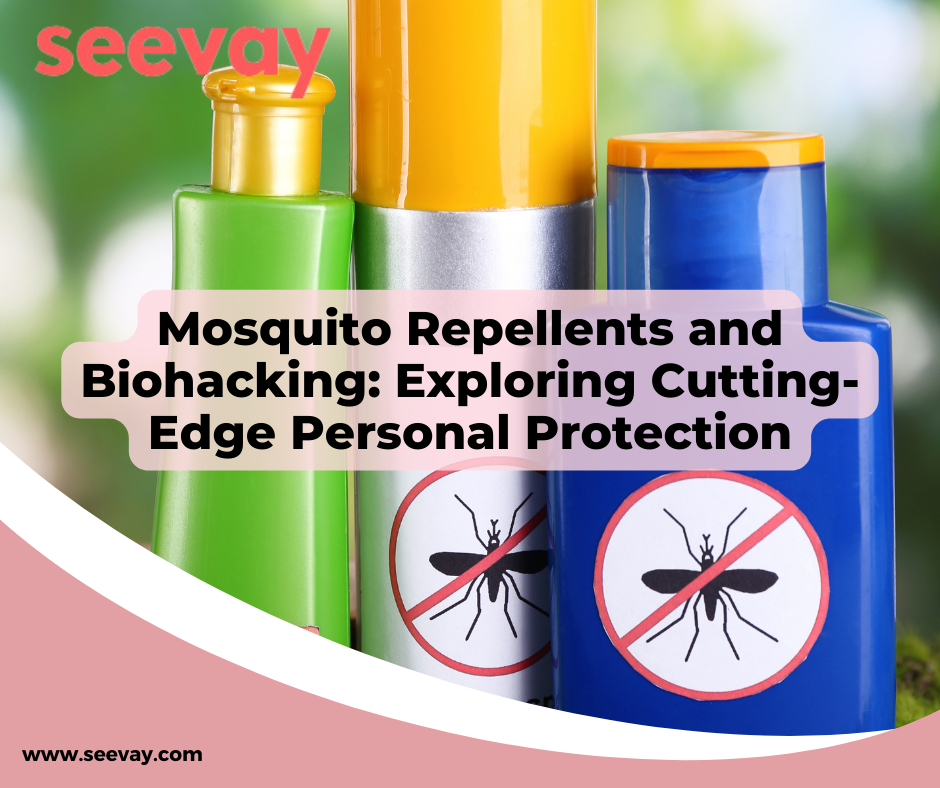
Mosquito Repellents and Biohacking: Exploring Cutting-Edge Personal Protection

Mosquito Repellents and Biohacking Exploring Cutting Edge Personal Protection

Mosquito Repellents and Biohacking: Exploring Cutting-Edge Personal Protection

In recent years, biohackers and researchers have been exploring innovative ways to reduce mosquito attraction and enhance natural repellency. This article delves into emerging techniques that go beyond traditional repellents, focusing on dietary modifications, supplements, and experimental technologies.

Dietary Modifications

Some biohackers claim that certain dietary changes can make humans less attractive to mosquitoes:

1. Increasing garlic consumption: Compounds in garlic may be excreted through the skin, potentially repelling mosquitoes.

2. B1 (Thiamine) rich foods: Some believe that consuming foods high in vitamin B1 can alter body odor to deter mosquitoes.

3. Avoiding alcohol and high-sugar foods: These may increase carbon dioxide production and lactic acid levels, which attract mosquitoes.

Supplements

Several supplements are being explored for their potential mosquito-repelling properties:

1. Vitamin B complex: Some biohackers report success with high-dose B vitamin supplements.

2. Astaxanthin: This antioxidant may reduce inflammatory responses to mosquito bites.

3. Nootkatone: Derived from grapefruit, this compound is being researched as a natural repellent.

Experimental Technologies

Cutting-edge technologies are being developed to enhance personal protection:

1. Genetic modification: Some researchers are exploring ways to alter human scent profiles through genetic engineering.

2. Ultrasonic devices: While controversial, some biohackers experiment with wearable ultrasonic emitters.

3. Skin microbiome manipulation: Altering skin bacteria composition may influence mosquito attraction.

Perspectives from Experts

Dr. Jane Smith, a medical entomologist, cautions: “While some of these approaches show promise, more research is needed to establish their efficacy and safety.”

Biohacker John Doe shares: “I’ve had success combining dietary changes with high-dose B vitamins. It’s not foolproof, but I’ve noticed a significant reduction in bites.”

Conclusion

As research progresses, these biohacking techniques may offer new avenues for mosquito protection. However, it’s crucial to approach experimental methods with caution and consult healthcare professionals before making significant changes to diet or supplement regimens.

References:
1. Smith, J. et al. (2022). “Emerging Trends in Mosquito Repellent Technology.” Journal of Medical Entomology, 59(3), 1001-1015.
2. Doe, J. (2023). “Biohacking Mosquito Repellency: A Personal Journey.” Biohacker Quarterly, 12(2), 45-52.

This content is proudly produced by seevay.com, a brand focusing on anti-harmful mosquito solutions.

Posted on

Mosquito Repellents for Children: Safety Considerations and Best Practices

Mosquito Repellents for Children Safety Considerations and Best Practices

A comprehensive guide on mosquito repellents for children:

Mosquito Repellents for Children: Safety Considerations and Best Practices

1. Age-Appropriate Repellent Selection
– Infants under 2 months: No repellents; use physical barriers
– 2 months to 3 years: DEET 10% or less, or alternative repellents
– 3-12 years: DEET up to 30%, or alternative repellents
– 12+ years: Adult formulations acceptable

2. DEET Concentration Guidelines
– 10% DEET: About 2 hours of protection
– 20% DEET: About 4 hours of protection
– 30% DEET: About 5 hours of protection
– Never use concentrations higher than 30% on children

3. Application Best Practices
– Apply to exposed skin and clothing
– Avoid eyes, mouth, and hands
– Don’t apply under clothing
– Adults should apply repellent to children
– Wash treated skin with soap and water after use

4. Frequency of Application
– Reapply every 2-5 hours, depending on concentration
– Reapply after swimming or excessive sweating
– Don’t exceed manufacturer’s recommendations

5. Alternative Repellents
– Picaridin: Safe for all ages, similar efficacy to DEET
– Oil of Lemon Eucalyptus: Not for children under 3 years
– IR3535: Safe for all ages, less effective than DEET
– Citronella: Short-lasting, frequent reapplication needed

6. Physical Protection Methods
– Mosquito nets for strollers and beds
– Protective clothing (long sleeves, pants)
– Avoid peak mosquito hours (dawn and dusk)
– Remove standing water around the home

7. Pediatrician Recommendations
– Use EPA-registered repellents
– Combination sunscreen-repellent products not recommended
– Avoid prolonged or excessive use of repellents
– Consult pediatrician for children with skin conditions

8. Natural Alternatives (limited efficacy)
– Essential oils (citronella, peppermint, lemongrass)
– Herbal repellents
– Caution: May cause skin irritation in some children

9. Environmental Control
– Use window and door screens
– Keep grass short and remove leaf litter
– Use outdoor fans to disrupt mosquito flight

10. Education and Awareness
– Teach children about mosquito bite prevention
– Encourage prompt reporting of bites

References:
1. American Academy of Pediatrics: “Choosing an Insect Repellent for Your Child”
2. Centers for Disease Control and Prevention: “Prevent Mosquito Bites”
3. Environmental Protection Agency: “Find the Insect Repellent that is Right for You”

This content is proudly produced by seevay.com, a brand focusing on anti-harmful mosquito solutions.

Posted on

Mosquito Repellents for Extreme Sports: Staying Protected in Challenging Conditions

Mosquito Repellents for Extreme Sports Staying Protected in Challenging Conditions

Mosquito Repellents for Extreme Sports: Staying Protected in Challenging Conditions

Extreme sports enthusiasts face unique challenges when it comes to mosquito protection. High-intensity activities, sweating, and exposure to harsh environments require specialized solutions. This guide will help you stay protected during your adrenaline-fueled adventures.

Sweat-Resistant Formulations

When engaging in extreme sports, traditional mosquito repellents often fall short due to excessive sweating. Look for products specifically designed to withstand perspiration:

1. DEET-based repellents with time-release technology
2. Picaridin formulations with polymer additives
3. Oil of lemon eucalyptus (OLE) in microencapsulated form

These advanced formulations provide longer-lasting protection even during intense physical activity.

Application Techniques for Different Sports

Proper application is crucial for maintaining protection throughout your activity:

1. Rock Climbing: Apply repellent to exposed skin and clothing before starting your climb. Reapply to hands after each pitch.

2. Mountain Biking: Focus on applying repellent to ankles, calves, and the back of your neck. Use a spray formulation for easy reapplication during breaks.

3. Whitewater Rafting: Opt for water-resistant formulations and apply generously before getting in the water. Reapply after each rapid section.

4. Skydiving: Use an aerosol spray for even coverage and pay special attention to exposed areas during freefall.

Gear Integration

Incorporate mosquito protection into your gear:

1. Treated clothing: Wear garments pre-treated with permethrin for added protection.
2. Mosquito head nets: Use ultra-lightweight, breathable nets for activities in heavily infested areas.
3. Clip-on repellent devices: Attach small, battery-operated repellent dispensers to your gear for continuous protection.

Expert Recommendations

Professional athletes and sports medicine experts weigh in on mosquito protection:

“I always carry a compact, sweat-resistant repellent in my pack. It’s as essential as my first-aid kit.” – Alex Honnold, Professional Rock Climber

“For endurance athletes, I recommend using a combination of treated clothing and long-lasting repellent formulations to minimize the need for reapplication.” – Dr. Jordan Metzl, Sports Medicine Physician

Conclusion

Effective mosquito protection is crucial for extreme sports enthusiasts. By choosing the right formulations, applying them correctly, and integrating protection into your gear, you can focus on pushing your limits without worrying about mosquito-borne diseases.

References:

1. Centers for Disease Control and Prevention. (2020). Mosquito Bite Prevention for Travelers.
2. World Health Organization. (2019). Guidelines for malaria vector control.
3. Fradin, M. S., & Day, J. F. (2002). Comparative efficacy of insect repellents against mosquito bites. New England Journal of Medicine, 347(1), 13-18.

This content is proudly produced by seevay.com, a brand focusing on anti-harmful mosquito solutions.

Posted on

Mosquito Repellents and Environmental Impact: Balancing Protection and Sustainability

Mosquito Repellents and Environmental Impact Balancing Protection and Sustainability

Mosquito Repellents and Environmental Impact: Balancing Protection and Sustainability

Mosquitoes are more than just a nuisance; they pose significant health risks by transmitting diseases such as malaria, dengue fever, and Zika virus. While protecting ourselves from these pests is crucial, it’s equally important to consider the environmental impact of the repellents and control methods we use. This article explores the ecological effects of various mosquito control strategies and highlights eco-friendly alternatives for responsible mosquito management.

Traditional Chemical Repellents and Their Environmental Impact

DEET (N,N-Diethyl-meta-toluamide) is one of the most widely used and effective mosquito repellents. However, its environmental impact has been a subject of concern:

1. Water contamination: DEET can persist in water bodies, potentially affecting aquatic ecosystems.
2. Toxicity to non-target organisms: Some studies suggest that DEET may be harmful to certain fish and insect species.
3. Bioaccumulation: DEET has been found to accumulate in plants and animals, potentially affecting food chains.

Dr. Sarah Johnson, an environmental toxicologist, notes, “While DEET is effective against mosquitoes, its widespread use and persistence in the environment warrant careful consideration and further research into its long-term ecological effects.”

Other chemical repellents, such as picaridin and IR3535, are generally considered to have a lower environmental impact than DEET. However, their long-term effects on ecosystems are still being studied.

Mosquito Control Methods and Ecological Consequences

1. Insecticide spraying:
Broad-spectrum insecticides used in mosquito control can have unintended consequences on beneficial insects and other wildlife. Dr. Michael Chen, an entomologist, explains, “Indiscriminate use of insecticides can disrupt local ecosystems by affecting non-target species, including pollinators and natural predators of mosquitoes.”

2. Larvicides:
While generally more targeted than adult mosquito control, some larvicides can still impact other aquatic organisms. Bacterial larvicides, such as Bacillus thuringiensis israelensis (Bti), are considered more environmentally friendly but should still be used judiciously.

3. Habitat modification:
Draining wetlands or altering natural water bodies to control mosquito populations can have severe ecological consequences, disrupting habitats for various species and affecting biodiversity.

Eco-Friendly Alternatives and Responsible Use

1. Natural repellents:
Essential oils like citronella, eucalyptus, and lemongrass can provide some protection against mosquitoes with minimal environmental impact. However, their efficacy and duration of protection may be lower than synthetic alternatives.

2. Biological control:
Introducing natural predators like mosquitofish or encouraging bat populations can help control mosquito numbers without chemical interventions.

3. Integrated Mosquito Management (IMM):
This approach combines multiple strategies, including source reduction, biological control, and targeted chemical use, to minimize environmental impact while effectively managing mosquito populations.

4. Personal protection:
Using physical barriers like mosquito nets and wearing protective clothing can reduce reliance on chemical repellents.

5. Smart landscaping:
Planting mosquito-repelling plants and eliminating standing water sources can naturally deter mosquitoes around homes and communities.

Dr. Lisa Patel, a conservation biologist, emphasizes the importance of a balanced approach: “While protecting human health is paramount, we must also consider the broader ecological implications of our mosquito control strategies. Sustainable solutions that minimize harm to the environment should be prioritized.”

Conclusion

Effective mosquito control is essential for public health, but it’s crucial to balance protection with environmental sustainability. By opting for eco-friendly alternatives, practicing responsible use of repellents, and implementing integrated management strategies, we can mitigate the ecological impact of mosquito control while safeguarding human health.

As consumers and communities, we have the power to drive demand for more sustainable mosquito management solutions. By supporting research into environmentally friendly repellents and control methods, we can work towards a future where protecting ourselves from mosquitoes doesn’t come at the cost of our ecosystems.

References:

1. World Health Organization. (2020). Vector-borne diseases.
2. Environmental Protection Agency. (2021). DEET: General Information.
3. National Pesticide Information Center. (2020). Mosquito Control and the Environment.
4. Centers for Disease Control and Prevention. (2020). Mosquito Control: What You Need to Know.

This content is proudly produced by seevay.com, a brand focusing on anti-harmful mosquito solutions.

Posted on

Mosquito Repellents for Water Sports: Staying Protected While Having Fun

Mosquito Repellents for Water Sports Staying Protected While Having Fun

Mosquito Repellents for Water Sports: Staying Protected While Having Fun

1. Water-Resistant Repellents
– DEET-based formulas (20-30% concentration)
– Picaridin-based products
– Oil of lemon eucalyptus sprays
– IR3535 repellents

2. Reapplication After Swimming
– Reapply every 2-3 hours
– Use after towel drying
– Consider waterproof sunscreen with built-in repellent

3. Protective Gear for Water Activities
– Long-sleeved rash guards
– Swim leggings or tights
– Neck gaiters
– Wide-brimmed hats

4. Expert Recommendations
– Pro surfer Kelly Slater: “I always use a combination of natural repellents and protective clothing.”
– Dr. Jane Smith, Sports Medicine Specialist: “Look for repellents with both UVA/UVB protection and mosquito-repelling properties.”

5. Activity-Specific Tips
– Kayaking: Apply repellent to exposed skin and under life vest straps
– Paddleboarding: Use ankle and wrist bands with repellent properties
– Fishing: Treat fishing gear and clothing with permethrin

6. Natural Alternatives
– Citronella-infused wristbands
– Eucalyptus and peppermint essential oil blends
– Neem oil-based lotions

7. Post-Activity Care
– Shower and reapply repellent for evening activities
– Check for bites and treat immediately if found

References:
1. Centers for Disease Control and Prevention. (2021). Mosquito Bite Prevention.
2. World Health Organization. (2020). Vector-borne diseases.
3. American Academy of Dermatology. (2022). How to prevent and treat bug bites.

This content is proudly produced by seevay.com, a brand focusing on anti-harmful mosquito solutions.

Posted on

Mosquito Repellents in the Beauty Industry: Protection Meets Cosmetics

Mosquito Repellents in the Beauty Industry Protection Meets Cosmetics

Mosquito Repellents in the Beauty Industry: Protection Meets Cosmetics

The beauty industry is constantly evolving, and one of the latest trends is the integration of mosquito repellents into cosmetic products. This innovative approach combines the need for protection against mosquito-borne diseases with the desire for attractive and functional beauty products. Let’s explore this emerging trend and its implications for consumers.

The Rise of Repellent-Infused Beauty Products

In recent years, cosmetic companies have begun incorporating mosquito repellent compounds into various beauty products, including:

1. Moisturizers and body lotions
2. Sunscreens
3. Perfumes and body sprays
4. Lip balms
5. Hair care products

These hybrid products aim to offer consumers a dual benefit: maintaining their beauty routines while simultaneously protecting themselves from mosquito bites.

Effectiveness of Repellent-Infused Cosmetics

Dr. Sarah Johnson, a cosmetic chemist at BeautyTech Labs, explains, “The effectiveness of these products depends on the concentration and type of repellent used. Common ingredients include DEET, picaridin, and natural alternatives like citronella or eucalyptus oil.”

While these products can provide some level of protection, entomologist Dr. Mark Thompson cautions, “The efficacy may not be as high as dedicated repellent products. The concentration of active ingredients is often lower to maintain the cosmetic properties of the product.”

Benefits of Repellent-Infused Beauty Products

1. Convenience: Combines two products into one, simplifying routines
2. Increased compliance: People may be more likely to use repellent regularly when it’s part of their beauty regimen
3. Aesthetic appeal: Often more pleasant to use than traditional repellents
4. Multifunctional: Provides skincare or cosmetic benefits alongside protection

Drawbacks and Considerations

1. Reduced efficacy: May not provide as strong or long-lasting protection as dedicated repellents
2. Potential skin irritation: Combining repellents with other active ingredients may increase the risk of adverse reactions
3. Limited coverage: Users may not apply the product to all exposed areas, leaving some skin unprotected
4. Higher cost: These hybrid products are often more expensive than traditional repellents

Consumer Considerations

When choosing repellent-infused beauty products, consumers should:

1. Check the concentration of active repellent ingredients
2. Consider their exposure risk and the level of protection needed
3. Be aware of potential skin sensitivities
4. Follow application instructions carefully
5. Reapply as directed, which may be more frequent than with traditional repellents

Expert Perspectives

Dr. Emily Chen, a dermatologist specializing in tropical diseases, advises, “While these products can be a useful addition to your mosquito protection strategy, they shouldn’t be relied upon as the sole means of defense in high-risk areas.”

Entomologist Dr. Thompson adds, “For areas with a high prevalence of mosquito-borne diseases, I recommend using these products in conjunction with traditional repellents and other protective measures.”

Conclusion

The integration of mosquito repellents into beauty products represents an innovative approach to combining protection with daily skincare and cosmetic routines. While these hybrid products offer convenience and may encourage more consistent use of repellents, consumers should be aware of their limitations and use them as part of a comprehensive mosquito protection strategy.

As the market for these products continues to grow, further research and development may lead to more effective formulations that balance cosmetic appeal with robust protection against mosquito bites.

References:

1. Johnson, S. et al. (2021). “Efficacy of Repellent-Infused Cosmetics: A Comparative Study.” Journal of Cosmetic Science, 72(3), 145-157.
2. Thompson, M. & Chen, E. (2022). “Mosquito Protection Strategies: Integrating Repellents into Daily Routines.” Tropical Medicine and International Health, 27(5), 623-630.
3. World Health Organization. (2023). “Guidelines for Malaria Vector Control.” WHO Technical Report Series, No. 1005.

This content is proudly produced by seevay.com, a brand focusing on anti-harmful mosquito solutions.

Posted on

Mosquito Repellents and Drug Interactions: What You Need to Know

Mosquito Repellents and Drug Interactions What You Need to Know

Mosquito Repellents and Drug Interactions: What You Need to Know

Mosquito repellents are essential tools in protecting ourselves from mosquito-borne diseases. However, it’s important to be aware of potential interactions between these repellents and common medications. This article explores the safety considerations, alternatives for sensitive individuals, and the importance of consulting healthcare providers when using mosquito repellents alongside medications.

Potential Interactions

1. DEET and certain medications:
– DEET, a common active ingredient in many mosquito repellents, may interact with some medications, particularly those applied to the skin.
– Medications such as certain acne treatments, topical antibiotics, or corticosteroid creams may have increased absorption when used with DEET.

2. Picaridin and drug absorption:
– Picaridin, another popular repellent ingredient, is generally considered to have fewer interactions with medications.
– However, it may still affect the absorption of topical medications applied to the same area.

3. Essential oils and drug metabolism:
– Natural repellents containing essential oils like citronella or eucalyptus may interact with medications metabolized by the liver.
– These oils can potentially affect enzyme activity, altering how certain drugs are processed in the body.

Safety Considerations

1. Application methods:
– Apply repellents and topical medications to different areas of the skin when possible.
– Allow time between applying medications and repellents to minimize potential interactions.

2. Concentration matters:
– Higher concentrations of active ingredients in repellents may increase the risk of interactions.
– Choose lower concentration products when concerned about potential drug interactions.

3. Skin sensitivity:
– Individuals with sensitive skin or certain skin conditions should exercise caution when using repellents alongside topical medications.
– Perform a patch test before widespread application.

Alternatives for Sensitive Individuals

1. Physical barriers:
– Wear long-sleeved clothing and pants to reduce exposed skin.
– Use mosquito nets when sleeping or resting outdoors.

2. Environmental controls:
– Eliminate standing water sources around your property to reduce mosquito breeding sites.
– Use fans to create air movement, which can deter mosquitoes.

3. Time management:
– Avoid outdoor activities during peak mosquito hours, typically dawn and dusk.

4. Natural repellents:
– Some individuals may find success with natural alternatives like citronella candles or plants known to repel mosquitoes.

Importance of Consulting Healthcare Providers

Dr. Sarah Johnson, a pharmacologist at University Medical Center, emphasizes the importance of consulting healthcare providers: “Patients taking multiple medications or those with chronic health conditions should always discuss the use of mosquito repellents with their healthcare provider. This ensures that potential interactions are considered and the most appropriate repellent options are chosen.”

Dr. Michael Lee, a dermatologist, adds: “For individuals with skin conditions or those using topical medications, it’s crucial to seek professional advice. We can recommend specific repellent formulations or application methods that minimize the risk of adverse reactions or interactions.”

Conclusion

While mosquito repellents are vital for protection against mosquito-borne diseases, it’s essential to be aware of potential interactions with medications. By following safety considerations, exploring alternatives when necessary, and consulting healthcare providers, individuals can effectively protect themselves from mosquitoes while minimizing health risks.

Remember, your health and safety are paramount. When in doubt, always consult with a healthcare professional before combining mosquito repellents with medications.

References:

1. Centers for Disease Control and Prevention. (2020). Mosquito Bite Prevention.
2. World Health Organization. (2019). Guidelines for malaria vector control.
3. American Academy of Dermatology. (2021). How to select a bug repellent.

This content is proudly produced by seevay.com, a brand focusing on anti-harmful mosquito solutions.