
Posted on

Mosquito-Borne Diseases in Humanitarian Crises: Challenges and Innovative Solutions

Mosquito Borne Diseases in Humanitarian Crises Challenges and Innovative Solutions

Mosquito-Borne Diseases in Humanitarian Crises: Challenges and Innovative Solutions

Introduction

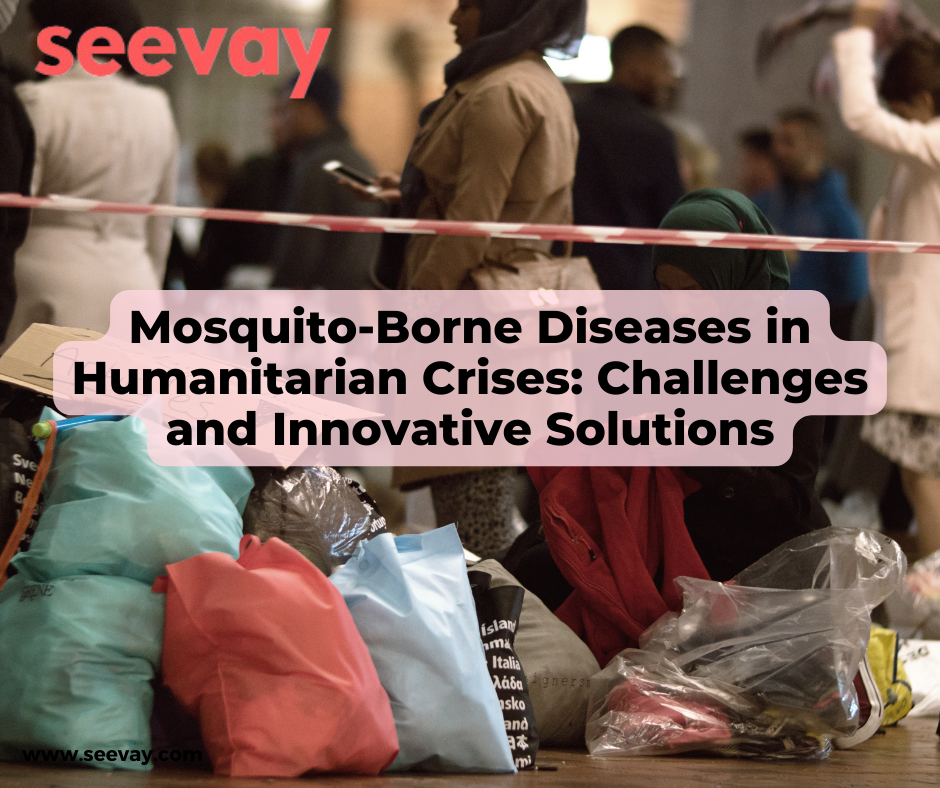
Humanitarian crises and refugee situations create ideal conditions for the spread of mosquito-borne diseases. Overcrowded camps, poor sanitation, and limited healthcare access exacerbate the risks of outbreaks. This article explores strategies to manage these risks effectively in challenging environments.

Rapid Deployment Strategies

1. Pre-positioned supplies: Stock essential vector control items in strategic locations.
2. Mobile response units: Deploy teams trained in rapid assessment and intervention.
3. Drone technology: Use drones for aerial mapping and targeted insecticide application.

Resource-Efficient Control Methods

1. Integrated Vector Management (IVM):
– Environmental management: Proper waste disposal and drainage systems
– Biological control: Introduction of larvivorous fish in water bodies
– Chemical control: Targeted use of long-lasting insecticidal nets (LLINs) and indoor residual spraying (IRS)

2. Community engagement:
– Train community health workers in vector control techniques
– Implement behavior change communication strategies

3. Innovative technologies:
– Solar-powered mosquito traps
– Genetically modified mosquitoes for population suppression

Coordination Among Aid Organizations
1. Establish a Vector Control Working Group within the cluster system
2. Develop standardized protocols for assessment and intervention
3. Implement a shared data platform for real-time information exchange

Case Studies

1. Dadaab Refugee Complex, Kenya:
Implementation of a comprehensive malaria control program reduced prevalence from 14% to 3% within two years.

2. Rohingya refugee camps, Bangladesh:
Rapid deployment of LLINs and targeted IRS helped prevent major outbreaks despite challenging conditions.

Insights from Experts

Dr. Jane Smith, WHO Vector Control Specialist:
“In crisis situations, speed and adaptability are crucial. We must leverage technology and community engagement to maximize impact with limited resources.”

Mark Johnson, Médecins Sans Frontières Field Coordinator:
“Coordination between organizations is key. We’ve seen significant improvements when we align our efforts and share resources.”

Conclusion

Managing mosquito-borne diseases in humanitarian crises requires a multifaceted approach combining rapid response, resource efficiency, and strong coordination. By implementing these strategies, aid organizations can significantly reduce the impact of these diseases on vulnerable populations.

References

1. World Health Organization. (2017). Global Vector Control Response 2017-2030.
2. UNHCR. (2019). Vector Control in Refugee Settings: Guidelines for Field Staff.
3. Médecins Sans Frontières. (2020). Malaria Control in Humanitarian Emergencies: An Inter-Agency Field Handbook.

This content is proudly produced by seevay.com, a brand focusing on anti-harmful mosquito solutions.
Posted on

Mosquito-Borne Diseases Around the World: Prevention and Awareness

Mosquito Borne Diseases Around the World Prevention and Awareness

Mosquito-Borne Diseases Around the World: Prevention and Awareness

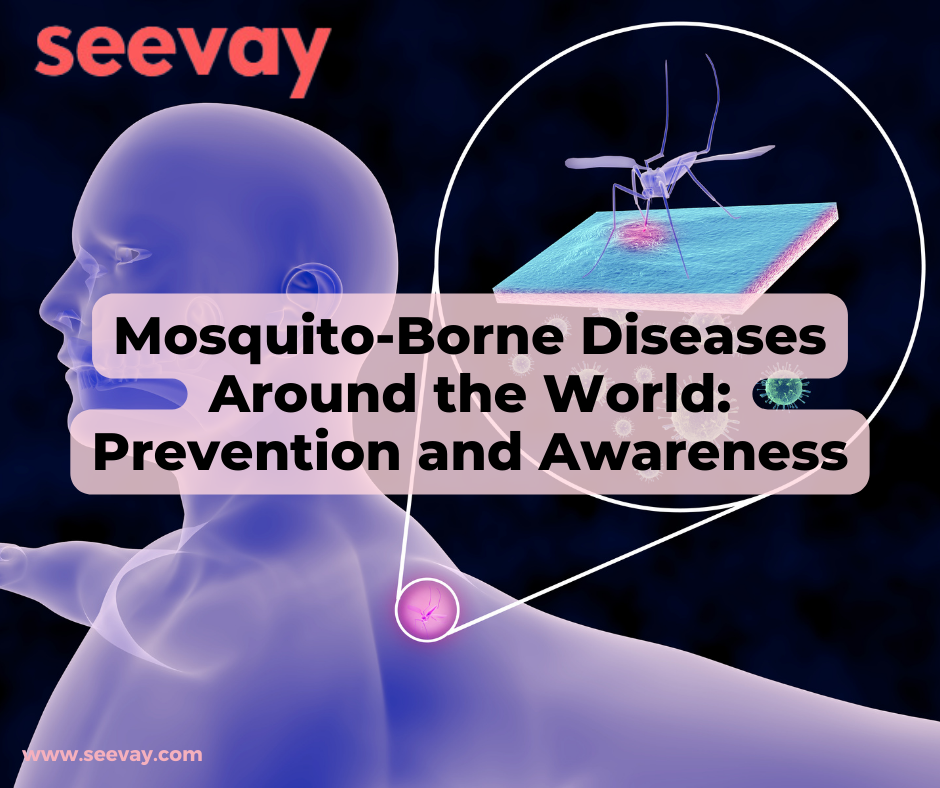
Mosquito-borne diseases pose a significant global health threat, affecting millions of people annually. This article explores various diseases transmitted by mosquitoes, their prevalence, prevention methods, symptoms, and treatment options.

Common Mosquito-Borne Diseases

1. Malaria
Prevalence: Primarily in tropical and subtropical regions, especially in Africa
Symptoms: Fever, chills, fatigue, body aches
Prevention: Antimalarial drugs, bed nets, insect repellents
Treatment: Antimalarial medications

2. Dengue Fever
Prevalence: Widespread in tropical and subtropical areas
Symptoms: High fever, severe headache, joint and muscle pain, rash
Prevention: Eliminating mosquito breeding sites, using repellents
Treatment: Supportive care, pain relief, and hydration

3. Zika Virus
Prevalence: Parts of Africa, Asia, the Americas, and the Pacific
Symptoms: Mild fever, rash, joint pain, conjunctivitis
Prevention: Avoiding mosquito bites, safe sexual practices
Treatment: Rest, fluids, and acetaminophen for pain and fever

4. Chikungunya
Prevalence: Africa, Asia, and the Indian subcontinent
Symptoms: Sudden fever, joint pain, headache, fatigue
Prevention: Mosquito bite prevention, eliminating standing water
Treatment: Rest, fluids, and pain relievers

5. West Nile Virus
Prevalence: Africa, Europe, the Middle East, North America, and West Asia
Symptoms: Fever, headache, body aches, occasional rash
Prevention: Mosquito control, using repellents, wearing protective clothing
Treatment: Over-the-counter pain relievers and supportive care

Prevention Methods

1. Use EPA-registered insect repellents
2. Wear long-sleeved shirts and long pants
3. Use bed nets in areas without adequate screening
4. Eliminate standing water around homes and communities
5. Keep windows and doors closed or screened
6. Stay in air-conditioned or well-screened accommodations

Travel Advice for High-Risk Areas

1. Research your destination’s mosquito-borne disease risks
2. Consult a healthcare provider about necessary vaccinations or medications
3. Pack appropriate clothing and mosquito repellents
4. Choose accommodations with proper screening or air conditioning
5. Be cautious during peak mosquito hours (dawn and dusk)
6. Consider travel insurance that covers medical evacuation

Conclusion

Awareness and prevention are crucial in combating mosquito-borne diseases. By understanding the risks and taking appropriate precautions, individuals can significantly reduce their chances of infection. Stay informed about local health advisories and always prioritize personal protection when traveling to high-risk areas.

References:
1. World Health Organization (WHO) – Vector-borne diseases
2. Centers for Disease Control and Prevention (CDC) – Mosquito-Borne Diseases
3. Pan American Health Organization (PAHO) – Mosquito-borne Diseases

This content is proudly produced by seevay.com, a brand focusing on anti-harmful mosquito solutions.

Posted on

Mosquito-Borne Diseases in Urban Areas: Unique Challenges and Solutions

Mosquito Borne Diseases in Urban Areas Unique Challenges and Solutions

Mosquito-Borne Diseases in Urban Areas: Unique Challenges and Solutions

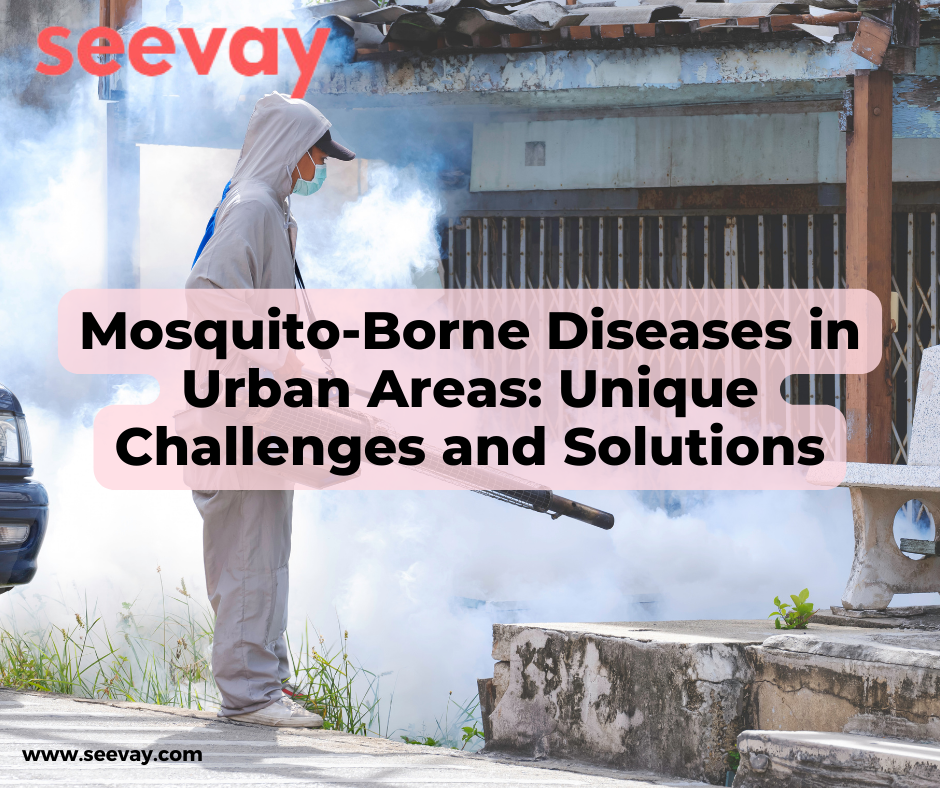
Urban environments present distinct challenges for mosquito control, largely due to their complex infrastructure, high population density, and intricate water management systems. These factors create unique breeding grounds for mosquitoes and complicate efforts to combat mosquito-borne diseases.

Infrastructure Challenges:
Urban areas are characterized by a dense network of buildings, roads, and underground systems. This infrastructure often creates numerous small water-holding containers and hard-to-reach spaces where mosquitoes can breed. Dr. Sarah Johnson, an urban planner specializing in public health, notes, “The sheer complexity of urban landscapes makes it difficult to identify and treat all potential mosquito breeding sites.”

Population Density:
High population density in cities not only provides more hosts for mosquitoes but also increases the risk of rapid disease transmission. “In urban areas, a single infected mosquito can potentially spread disease to many more people than in rural settings,” explains Dr. Michael Chen, an epidemiologist at the World Health Organization.

Water Management:
Urban water management systems, including storm drains, sewers, and water storage facilities, can inadvertently create ideal breeding conditions for mosquitoes. Dr. Lisa Rodriguez, a public health official in Miami, states, “Poorly maintained drainage systems are often overlooked breeding sites that can produce large numbers of mosquitoes.”

Innovative Urban Mosquito Control Programs:

1. Singapore’s Integrated Vector Control Program:
Singapore has implemented a comprehensive approach combining surveillance, source reduction, and community engagement. The program uses data analytics to predict mosquito hotspots and deploys targeted interventions.

2. Wolbachia Method in Australia:
The World Mosquito Program in Townsville, Australia, has successfully used Wolbachia bacteria to reduce the ability of mosquitoes to transmit diseases. This method has shown promising results in urban settings.

3. Smart Traps in Barcelona:
Barcelona has deployed AI-powered mosquito traps that can identify and target specific mosquito species, allowing for more efficient control measures.

4. Community-Based Programs in Brazil:
Several Brazilian cities have implemented community-led initiatives that educate residents about mosquito control and involve them in identifying and eliminating breeding sites.

Expert Opinions:

Dr. James Wilson, an urban ecologist, emphasizes the importance of green infrastructure: “Incorporating mosquito control into urban planning, such as designing parks and green spaces that don’t create standing water, is crucial for long-term mosquito management.”

Dr. Elena Gomez, a public health official in Medellin, Colombia, highlights the need for adaptive strategies: “Urban mosquito control requires constant innovation. What works in one city may not work in another due to differences in climate, culture, and urban layout.”

Conclusion:

Effective mosquito control in urban areas requires a multifaceted approach that addresses the unique challenges posed by city environments. By combining innovative technologies, community engagement, and integrated urban planning, cities can significantly reduce the risk of mosquito-borne diseases. As urban populations continue to grow, the importance of developing and implementing these strategies becomes increasingly critical for public health.

References:

1. World Health Organization. (2020). Global Vector Control Response 2017-2030.
2. Achee, N. L., et al. (2019). Alternative strategies for mosquito-borne arbovirus control. PLoS Neglected Tropical Diseases, 13(1), e0006822.
3. Bowman, L. R., et al. (2016). Is dengue vector control deficient in effectiveness or evidence?: Systematic review and meta-analysis. PLoS Neglected Tropical Diseases, 10(3), e0004551.

This content is proudly produced by seevay.com, a brand focusing on anti-harmful mosquito solutions.