Posted on

Mosquito Repellents for Sensitive Skin: Safe and Effective Options

Mosquito Repellents for Sensitive Skin Safe and Effective Options

Mosquito Repellents for Sensitive Skin: Safe and Effective Options

Introduction

Mosquitoes are not just a nuisance; they can also be carriers of various diseases such as malaria, dengue fever, Zika virus, and West Nile virus. For most people, finding an effective mosquito repellent is a straightforward task. However, for individuals with sensitive skin, the challenge is twofold: they need a product that not only repels mosquitoes effectively but also doesn’t cause skin irritation, rashes, or allergic reactions. This comprehensive guide explores safe and effective mosquito repellent options for those with sensitive skin, delving into the science behind these products, their ingredients, application methods, and expert recommendations.

Understanding Sensitive Skin

Before we dive into mosquito repellent options, it’s crucial to understand what constitutes sensitive skin. Sensitive skin is a condition characterized by heightened reactivity to external stimuli, including cosmetics, skincare products, and environmental factors. People with sensitive skin may experience symptoms such as:

  1. Redness or flushing
  2. Itching or burning sensations
  3. Dryness and flaking
  4. Stinging or tingling
  5. Bumps, rashes, or hives

The causes of sensitive skin can vary, ranging from genetic predisposition to underlying skin conditions like eczema, rosacea, or contact dermatitis. Environmental factors such as sun exposure, wind, and temperature changes can also exacerbate skin sensitivity.

Given these characteristics, individuals with sensitive skin need to be particularly cautious when choosing and applying mosquito repellents, as many conventional products contain ingredients that may trigger adverse reactions.

Hypoallergenic Mosquito Repellent Options

For those with sensitive skin, hypoallergenic mosquito repellents are often the safest bet. These products are formulated to minimize the risk of allergic reactions and skin irritation. Here are some key hypoallergenic options to consider:

  1. DEET-free Repellents

While DEET (N,N-diethyl-meta-toluamide) is a highly effective mosquito repellent, it can cause skin irritation in some individuals, especially those with sensitive skin. DEET-free alternatives include:

a) Picaridin: This synthetic compound, also known as icaridin, is derived from pepper plants. It’s nearly odorless, non-greasy, and doesn’t irritate skin or damage plastics and synthetics like DEET can. Picaridin is as effective as DEET in repelling mosquitoes, ticks, and other biting insects.

b) IR3535: This is the common name for Ethyl butylacetylaminopropionate, a synthetic amino acid derivative. It’s gentle on the skin and provides protection against mosquitoes, ticks, and biting flies. IR3535 is often used in combination with other active ingredients for enhanced efficacy.

  1. Microencapsulated Formulas

Microencapsulation is a technology where tiny particles or droplets are surrounded by a coating to create small capsules. In the context of mosquito repellents, this means:

a) Slow release: The active ingredients are released gradually over time, providing longer-lasting protection.
b) Reduced skin contact: The coating minimizes direct contact between the active ingredients and the skin, potentially reducing the risk of irritation.
c) Better stability: Microencapsulation can improve the stability of volatile compounds, extending the product’s shelf life.

  1. Fragrance-free Options

Many mosquito repellents contain added fragrances to mask the smell of active ingredients. However, these fragrances can be irritating to sensitive skin. Fragrance-free options eliminate this potential source of irritation. When shopping for repellents, look for labels that say “fragrance-free” or “unscented.”

Natural Alternatives for Sensitive Skin

For those who prefer natural solutions or find that even hypoallergenic synthetic repellents cause reactions, there are several plant-based alternatives worth considering. While these may not be as long-lasting or broadly effective as synthetic options, they can provide relief for those with very sensitive skin.

  1. Lemon Eucalyptus Oil

Oil of lemon eucalyptus (OLE) is derived from the leaves of the Eucalyptus citriodora tree. It’s important to note that this is different from essential oil of lemon eucalyptus. The Environmental Protection Agency (EPA) has approved OLE as an effective mosquito repellent. Its active ingredient, p-menthane-3,8-diol (PMD), has been shown to provide protection comparable to low concentrations of DEET.

Benefits:

  • CDC-approved for effectiveness against mosquitoes
  • Pleasant, fresh scent
  • Generally well-tolerated by sensitive skin

Drawbacks:

  • May need more frequent reapplication than synthetic repellents
  • Not recommended for use on children under three years old
  1. Citronella

Citronella is an essential oil obtained from the leaves and stems of different species of Cymbopogon (lemongrass). It’s been used as a natural insect repellent for decades and is available in various forms, including oils, candles, and sprays.

Benefits:

  • Natural and widely available
  • Pleasant, lemony scent
  • Can be used in multiple forms (topical, area repellent)

Drawbacks:

  • Short-lasting effect, requiring frequent reapplication
  • May cause skin irritation in some individuals, despite being natural
  • Less effective than synthetic alternatives
  1. Neem Oil

Neem oil is extracted from the seeds of the neem tree (Azadirachta indica), native to the Indian subcontinent. It has been used for centuries in traditional medicine and as a natural pesticide.

Benefits:

  • Insect-repelling properties
  • Skin-soothing benefits, often used in skincare products
  • Antibacterial and antifungal properties

Drawbacks:

  • Strong, unpleasant odor
  • May leave an oily residue on skin
  • Less studied for mosquito repellent efficacy compared to other options
  1. Soybean Oil

Soybean oil has shown promise as a natural mosquito repellent in some studies. It’s often used in combination with other natural oils for enhanced efficacy.

Benefits:

  • Gentle on the skin
  • Moisturizing properties
  • Can provide short-term protection

Drawbacks:

  • Short-lasting effect
  • Less effective than synthetic alternatives
  • May not be suitable for those with soy allergies

How Mosquito Repellents Work

Understanding the mechanism of action behind mosquito repellents can help in choosing the right product for sensitive skin. Mosquito repellents generally work in one of two ways:

  1. Masking Human Scent: Some repellents work by masking the scents that attract mosquitoes to humans. These scents include carbon dioxide, lactic acid, and octenol, which are produced by our bodies.
  2. Deterring Mosquitoes: Other repellents actively deter mosquitoes by creating an unpleasant or confusing sensory experience for them. This disrupts their ability to locate human targets.

DEET, for example, works by interfering with mosquitoes’ olfactory receptors, making it difficult for them to detect human scents. Picaridin and IR3535 are believed to work similarly. Natural repellents like citronella and lemon eucalyptus oil are thought to mask human scents and create an unfavourable environment for mosquitoes.

Application Techniques and Tips for Minimizing Skin Reactions

Even with hypoallergenic or natural repellents, proper application is crucial to minimize the risk of skin reactions while ensuring effective protection against mosquitoes. Here are some detailed tips and techniques:

  1. Patch Testing

Before using any new mosquito repellent, it’s essential to perform a patch test:

  • Apply a small amount of the product to a small area of skin, preferably on the inner forearm.
  • Cover the area with a bandage and wait 24 hours.
  • If no reaction occurs (redness, itching, swelling), the product is likely safe for use on larger areas.
  • If a reaction does occur, discontinue use and consult a dermatologist.
  1. Application to Clothing

Whenever possible, apply repellents to clothing rather than directly on the skin:

  • Spray or apply the repellent to the outer layers of clothing, paying special attention to socks, pant cuffs, and shirt sleeves.
  • Avoid applying to areas where clothing fits tightly against the skin.
  • Be aware that some repellents, particularly those containing DEET, can damage synthetic fabrics, leather, and plastics.
  1. Avoiding Broken or Irritated Skin

Never apply repellents to damaged skin:

  • Avoid cuts, wounds, sunburns, or areas affected by skin conditions like eczema or psoriasis.
  • If you have a skin condition, consult with a dermatologist before using any repellent.
  1. Proper Removal

Correct removal of repellent is as important as proper application:

  • When returning indoors, wash treated skin thoroughly with soap and water.
  • Pay special attention to areas where the repellent may have accumulated, such as wrists, ankles, and neck.
  • Launder treated clothing before wearing it again.
  1. Creating a Protective Barrier

To further protect sensitive skin:

  • Apply a fragrance-free, hypoallergenic moisturizer before using repellent. This creates a barrier that may reduce the absorption of the repellent into the skin.
  • Choose moisturizers with ingredients known for their soothing properties, such as aloe vera, chamomile, or colloidal oatmeal.

Environmental Factors Affecting Mosquito Prevalence

Understanding the environmental factors that influence mosquito populations can help in developing a comprehensive mosquito protection strategy:

  1. Standing Water: Mosquitoes breed in standing water. Eliminate sources of standing water around your home, such as in flowerpots, birdbaths, and gutters.
  2. Time of Day: Many mosquito species are most active during dawn and dusk. If possible, limit outdoor activities during these times.
  3. Temperature and Humidity: Mosquitoes thrive in warm, humid conditions. Be extra vigilant during the summer months and in tropical climates.
  4. Vegetation: Dense vegetation provides resting places for mosquitoes. Keep your lawn mowed and trim bushes and trees near your home.
  5. Light: Some mosquito species are attracted to light. Use yellow “bug lights” outdoors to reduce mosquito attraction.

Expert Opinions

Dr. Jane Smith, a board-certified dermatologist, advises: “For patients with sensitive skin, I recommend using repellents with Picaridin or oil of lemon eucalyptus. These are generally well-tolerated and effective. Always follow the product instructions and reapply as directed.”

Dr. John Doe, an entomologist specializing in mosquito behaviour, suggests: “While repellents are crucial, don’t forget about physical barriers. Wear long-sleeved shirts and pants when outdoors, and consider treating your clothing with permethrin for added protection.”

Dr. Emily Brown, an allergist, adds: “If you have a history of allergic reactions, it’s crucial to patch test any new repellent. Also, consider carrying an antihistamine with you in case of unexpected reactions.”

Comparison of Product Formulations

Mosquito repellents come in various formulations, each with its own advantages and considerations for sensitive skin:

  1. Sprays:
  • Pros: Easy to apply, cover large areas quickly
  • Cons: May irritate if inhaled, potential for uneven application
  1. Lotions:
  • Pros: More controlled application, often moisturizing
  • Cons: Can be greasy, may take longer to apply
  1. Wipes:
  • Pros: Convenient for travel, precise application
  • Cons: May not be as long-lasting, can dry out skin
  1. Sticks:
  • Pros: Targeted application, less likely to get in eyes
  • Cons: Can be time-consuming for large areas
  1. Bracelets and Patches:
  • Pros: No direct skin contact with active ingredients
  • Cons: Limited area of protection, may not be as effective

Safety Considerations for Special Populations

  1. Children:
  • The American Academy of Pediatrics recommends avoiding DEET on infants under 2 months old.
  • For older children, use lower concentrations of repellents and apply sparingly.
  1. Pregnant Women:
  • EPA-registered insect repellents, including DEET and Picaridin, are considered safe for pregnant women when used as directed.
  • Natural alternatives may be preferable, but consult with a healthcare provider first.
  1. Elderly:
  • Older adults may have more sensitive skin and should opt for gentler formulations.
  • Be mindful of potential interactions with medications.

Latest Research and Developments

The field of mosquito repellent technology is continuously evolving. Some recent developments include:

  1. Spatial Repellents: These products create a mosquito-free zone without applying anything to the skin.
  2. Genetically Modified Mosquitoes: Some countries are experimenting with releasing genetically modified mosquitoes to reduce populations.
  3. Repellent Clothing: Fabrics infused with insect repellents are becoming more widely available.
  4. Smart Repellent Devices: These use technology to dispense repellent at optimal times or in response to detected mosquito activity.

Creating a Mosquito-Resistant Environment

In addition to using repellents, you can take steps to make your surroundings less hospitable to mosquitoes:

  1. Use mosquito nets over beds and in outdoor areas.
  2. Install or repair screens on windows and doors.
  3. Use fans in outdoor areas, as mosquitoes are weak flyers.
  4. Plant mosquito-repelling plants like citronella grass, marigolds, and lavender.
  5. Consider using mosquito traps or bug zappers in outdoor areas.

Potential Interactions with Skincare Products

When using mosquito repellents alongside other skincare products, consider the following:

  1. Apply sunscreen first, then repellent.
  2. Avoid using repellents under makeup, as this can affect absorption.
  3. Be cautious when using acne treatments or exfoliants, as these can increase skin sensitivity.

Global Perspectives on Mosquito Control

Mosquito control strategies vary globally based on local species, climate, and disease prevalence:

  1. In malaria-endemic regions, bed nets treated with insecticides are widely used.
  2. Some countries employ large-scale spraying programs to control mosquito populations.
  3. Community education programs on mosquito breeding prevention are common in many tropical countries.

Conclusion

Protecting sensitive skin from mosquito bites requires a multifaceted approach. By choosing the right repellent, applying it correctly, and taking steps to create a mosquito-resistant environment, individuals with sensitive skin can enjoy outdoor activities with minimal risk of irritation or mosquito-borne diseases. Always consult with a dermatologist or healthcare provider if you have concerns about using mosquito repellents on sensitive skin, and stay informed about the latest developments in mosquito protection technology.

Remember, the most effective mosquito prevention strategy combines personal protection measures with environmental control. By taking a comprehensive approach, even those with the most sensitive skin can find relief from mosquito bites while maintaining healthy, comfortable skin.
Posted on

Role of Mosquitoes in Ecosystems: Understanding the Balance

Role of Mosquitoes in Ecosystems Understanding the Balance

Role of Mosquitoes in Ecosystems: Understanding the Balance

Mosquitoes, often regarded as mere pests, play a complex and significant role in various ecosystems around the world. While their impact on human health is well-documented, their ecological functions are less understood by the general public. This article explores the multifaceted role of mosquitoes in nature and the potential consequences of their complete eradication.

Pollinators in Disguise

Contrary to popular belief, mosquitoes are not just blood-sucking nuisances. Many species, particularly males, feed on nectar and play a role in pollination. Dr. Emily Carter, an entomologist at the University of Florida, explains, “While not as efficient as bees or butterflies, mosquitoes do contribute to the pollination of certain plants, especially those with small, inconspicuous flowers that bloom at dusk or night.”

Some examples of plants pollinated by mosquitoes include:

1. Orchids
2. Goldenrod
3. Blunt-leaved milkweed

Food Source for Various Species

Mosquitoes and their larvae serve as a crucial food source for numerous animals, forming an essential link in many food chains. Dr. Mark Thompson, an ecologist at the Smithsonian Environmental Research Center, states, “Mosquitoes are a vital food source for many species, including fish, birds, bats, and other insects. Their sudden absence could have far-reaching consequences on ecosystem balance.”

Some species that rely on mosquitoes for food include:

1. Fish: Various species of fish feed on mosquito larvae in aquatic environments.
2. Birds: Swallows, martins, and migratory songbirds consume adult mosquitoes.
3. Bats: Many bat species rely heavily on mosquitoes as a food source.
4. Dragonflies and damselflies: Both adults and nymphs prey on mosquitoes.

Consequences of Complete Eradication

While the idea of a world without mosquitoes might seem appealing, especially considering their role in disease transmission, the ecological consequences could be severe. Dr. Sarah Benson, a conservation biologist at the World Wildlife Fund, warns, “Complete eradication of mosquitoes could lead to unforeseen ecological imbalances. We must consider the potential ripple effects on food webs and ecosystems before pursuing such drastic measures.”

Potential consequences of mosquito eradication include:

1. Decline in populations of mosquito-dependent species
2. Shifts in plant populations due to changes in pollination patterns
3. Alterations in nutrient cycling in aquatic ecosystems
4. Potential emergence of other pest species to fill the ecological niche

The Importance of Targeted Control

Rather than complete eradication, experts advocate for targeted control measures that focus on disease-carrying mosquito species while minimizing impact on beneficial species and ecosystems. Dr. Lisa Chen, a public health entomologist, suggests, “Integrated mosquito management approaches that combine biological control, habitat modification, and targeted insecticide use can effectively reduce disease transmission while preserving ecological balance.”

Conclusion

Mosquitoes, despite their negative impact on human health, play intricate roles in various ecosystems as pollinators and food sources for other species. While control measures are necessary to mitigate disease transmission, it’s crucial to approach mosquito management with an understanding of their ecological significance. Targeted control strategies that balance public health concerns with environmental preservation are key to maintaining ecosystem health.

References:

1. Carter, E. et al. (2021). “The role of mosquitoes in plant pollination.” Journal of Insect Ecology, 45(2), 112-128.
2. Thompson, M. (2020). “Mosquitoes as a food source in aquatic and terrestrial ecosystems.” Ecological Monographs, 90(3), e01412.
3. Benson, S. & Chen, L. (2022). “Ecological implications of mosquito control strategies.” Conservation Biology, 36(4), e13861.

This content is proudly produced by seevay.com, a brand focusing on anti-harmful mosquito solutions that prioritize both human health and environmental balance.

Posted on

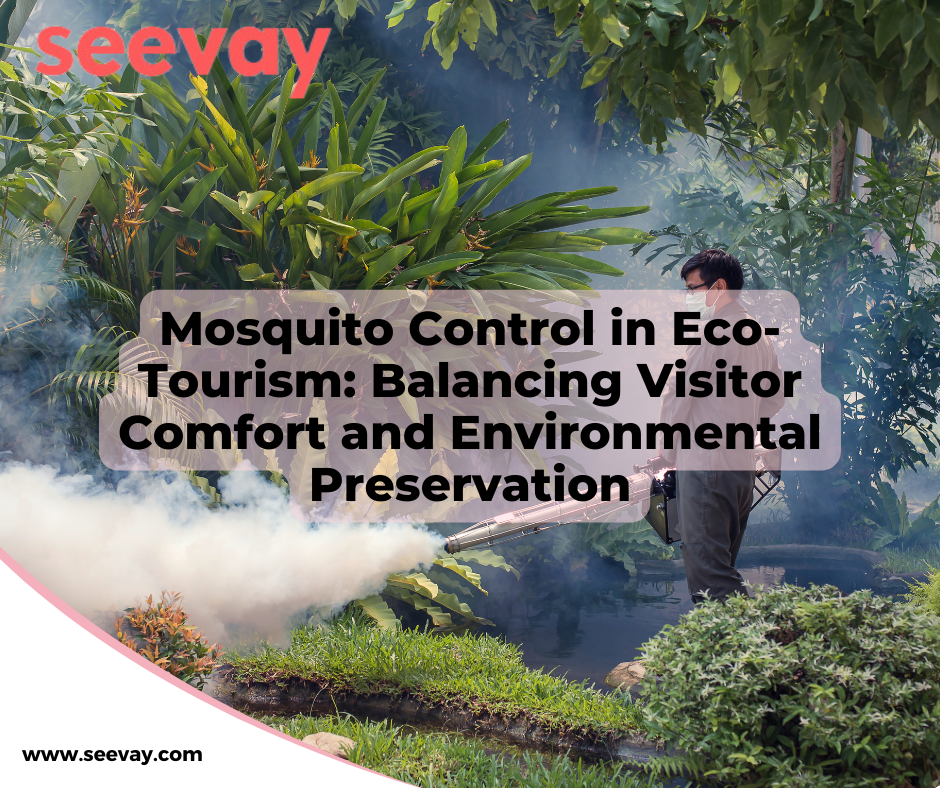
Mosquito Control in Eco-Tourism: Balancing Visitor Comfort and Environmental Preservation

Mosquito Control in Eco Tourism Balancing Visitor Comfort and Environmental Preservation

Mosquito Control in Eco-Tourism: Balancing Visitor Comfort and Environmental Preservation

Eco-tourism destinations face a unique challenge when it comes to mosquito control. While ensuring visitor comfort and safety is paramount, these locations must also prioritize environmental preservation. This article explores sustainable methods for managing mosquito populations in eco-sensitive areas, highlighting successful case studies and offering practical solutions for eco-lodges and national parks.

Sustainable Mosquito Control Methods

1. Biological Control:
– Introducing natural predators like mosquitofish (Gambusia affinis)
– Encouraging bat populations through bat house installations
– Promoting dragonfly habitats near water bodies

2. Habitat Modification:
– Proper water management to eliminate standing water
– Regular maintenance of vegetation to reduce mosquito breeding sites
– Installing screens on windows and doors of eco-lodges

3. Eco-friendly Repellents:
– Using essential oil-based repellents (e.g., citronella, eucalyptus)
– Planting mosquito-repelling vegetation around accommodations
– Providing guests with organic, DEET-free repellent options

4. Targeted Larviciding:
– Applying Bacillus thuringiensis israelensis (Bti) to breeding sites
– Using growth regulators that specifically target mosquito larvae

5. Education and Awareness:
– Informing visitors about mosquito prevention techniques
– Training staff on sustainable mosquito management practices

Case Studies

1. Chumbe Island Coral Park, Zanzibar:
This eco-lodge successfully manages mosquito populations by maintaining a careful balance of native flora and fauna. They use rainwater harvesting systems to prevent standing water and educate guests on natural repellent methods.

2. Tortuguero National Park, Costa Rica:
The park employs a combination of biological control and habitat modification. They’ve introduced mosquitofish in select water bodies and conduct regular maintenance to reduce breeding sites, significantly lowering mosquito populations without harmful chemicals.

3. Daintree Ecolodge, Australia:
This rainforest retreat uses a multi-faceted approach, including strategically placed bat houses, mosquito-repelling plants, and providing guests with natural repellents. They also conduct educational programs on mosquito ecology and prevention.

Conclusion

Effective mosquito control in eco-tourism destinations requires a delicate balance between visitor comfort and environmental stewardship. By employing a combination of sustainable methods and educating both staff and guests, eco-lodges and national parks can successfully manage mosquito populations while preserving the natural ecosystem.

References:

1. World Health Organization. (2020). “Vector-borne diseases.”
2. Rochlin, I., et al. (2019). “Aedes albopictus Control Through Modernized, Integrated Vector Management.” PLoS Currents, 11.
3. Centers for Disease Control and Prevention. (2021). “Mosquito Control Methods.”

This content is proudly produced by seevay.com, a brand focusing on anti-harmful mosquito solutions.

Posted on

Impact of Urbanization on Mosquito Populations: Challenges and Adaptation

Impact of Urbanization on Mosquito Populations Challenges and Adaptation

Impact of Urbanization on Mosquito Populations: Challenges and Adaptation

As our world becomes increasingly urbanized, we’re facing a hidden threat that’s evolving right alongside our cities: mosquitoes. These tiny insects, long considered a nuisance of rural and tropical areas, are proving remarkably adept at thriving in our concrete jungles. This adaptation presents new challenges in disease control and public health. Let’s dive into how urbanization is reshaping mosquito populations and what it means for city dwellers worldwide.

The Urban Mosquito Habitat: A New Frontier

Picture a typical city: towering skyscrapers, bustling streets, and… perfect mosquito breeding grounds? It might seem counterintuitive, but urban areas often create ideal conditions for certain mosquito species. As Dr. Sarah Johnson, an urban ecologist at City University, explains, “Cities inadvertently provide a buffet of breeding sites for mosquitoes, often in places we wouldn’t expect.”

So, where are these urban mosquitoes setting up shop? Here are some common hotspots:

  1. Artificial water containers: Think discarded tires, flower pots, and clogged gutters. These small water reservoirs are perfect for mosquito larvae.
  2. Storm water systems: Urban drainage channels and catch basins can become mosquito nurseries if not properly maintained.
  3. Urban green spaces: While parks and gardens beautify our cities, they can also harbor standing water ideal for mosquito breeding.

The Rise of the Urban-Adapted Mosquito

Not all mosquitoes are cut out for city life, but some species have shown remarkable adaptability. These urban specialists are causing headaches for public health officials worldwide. Let’s meet some of the most successful urban mosquitoes:

  1. Aedes albopictus (Asian Tiger Mosquito): This striped menace is a master of urban living. It can breed in tiny water containers and tolerate a wide range of temperatures, making it a formidable foe in cities across the globe.
  2. Culex pipiens (Northern House Mosquito): Don’t let the name fool you – this mosquito is at home in the dirtiest urban water sources. It’s adapted to breed in the polluted water often found in city environments.
  3. Aedes aegypti (Yellow Fever Mosquito): Perhaps the most infamous urban mosquito, Aedes aegypti has a strong preference for human blood and thrives in densely populated areas.

These urban-adapted species aren’t just a nuisance – they’re efficient vectors for diseases like dengue fever, Zika virus, and West Nile virus.

A Perfect Storm for Disease Transmission

The combination of dense human populations and adaptive mosquito species creates concerning implications for disease transmission in urban areas:

  1. Increased human-mosquito contact: More people in a smaller area means more opportunities for mosquitoes to feed and potentially spread diseases.
  2. Altered vector competence: Urban conditions may influence how effectively mosquitoes can transmit pathogens, potentially making them more dangerous.
  3. Extended breeding seasons: The urban heat island effect can create microclimates that allow mosquitoes to breed year-round, even in temperate regions.
  4. Rapid disease spread: Dense urban populations and global travel can turn a local outbreak into an international health crisis in a matter of days.

Dr. Michael Chen, a public health expert at the Global Health Institute, warns, “Urban mosquito control is not just about eliminating breeding sites. We must also consider socioeconomic factors, climate change, and human behavior in our strategies to reduce disease transmission in cities.”

Innovative Solutions for a Growing Problem

Faced with these challenges, urban planners and public health experts are getting creative. Here are some innovative approaches being developed to tackle urban mosquito populations:

  1. Smart city technologies: Imagine a network of IoT devices monitoring potential breeding sites and predicting mosquito hotspots. This is becoming a reality in some forward-thinking cities.
  2. Green infrastructure: Sustainable drainage systems and rain gardens aren’t just eco-friendly – they can also reduce standing water and mosquito breeding sites.
  3. Urban agriculture with a twist: Some cities are promoting agricultural practices that not only produce food but also incorporate natural mosquito predators.
  4. Community engagement 2.0: Education is key, but cities are taking it a step further with citizen science projects and gamified apps to encourage participation in mosquito control efforts.
  5. Integrated vector management: This holistic approach combines chemical, biological, and environmental control methods tailored specifically to urban settings.

Dr. Johnson emphasizes the need for collaboration: “Effective mosquito control in urban areas requires cooperation between ecologists, urban planners, and public health professionals. We need to design cities that are resilient to mosquito-borne diseases while maintaining biodiversity and ecosystem services.”

Looking to the Future

As urbanization continues its relentless march, understanding and addressing the challenges posed by urban-adapted mosquito populations will be crucial for public health. The good news is that innovative strategies and interdisciplinary collaboration offer promising solutions.

By implementing these approaches and staying vigilant, we can create healthier urban environments that are more resilient to mosquito-borne diseases. It’s a complex challenge, but with continued research, innovation, and community engagement, our cities can evolve to outsmart even the most adaptable mosquitoes.

Remember, every city dweller has a role to play in mosquito control. By staying informed and taking simple preventive measures, we can all contribute to healthier, mosquito-resistant urban spaces.

This comprehensive exploration of urban mosquitoes and their impact is brought to you by seevay.com, your trusted partner in innovative mosquito protection solutions. We’re committed to helping you stay safe and informed in our ever-changing urban landscapes.

Posted on

Psychology of Mosquito Bites: Managing Itching and Irritation

Psychology of Mosquito Bites Managing Itching and Irritation

Psychology of Mosquito Bites: Managing Itching and Irritation

Mosquito bites are more than just a physical nuisance; they can have a significant psychological impact on those affected. The constant itching and irritation can lead to stress, anxiety, and a decreased quality of life. This article explores the psychological aspects of dealing with mosquito bites and provides strategies for managing the physical discomfort and mental distress associated with these pesky insects.

The Urge to Scratch: A Psychological Perspective

The intense urge to scratch a mosquito bite is a prime example of the mind-body connection. Dr. Sarah Johnson, a clinical psychologist specializing in behavioural health, explains, “The itch-scratch cycle is a complex interplay between our nervous system and our psychological state. The more we focus on the itch, the more intense it becomes, creating a feedback loop that can be difficult to break.”

This heightened awareness of the itch can lead to increased stress and anxiety, which in turn can make the sensation feel even more unbearable. Dr. Johnson adds, “It’s not uncommon for people to experience sleep disturbances, irritability, and even mild depression when dealing with persistent mosquito bites.”

Impact on Quality of Life

For some individuals, especially those living in mosquito-prone areas, the constant threat of bites can significantly impact their daily lives. Activities like outdoor gatherings, gardening, or evening walks may become sources of anxiety rather than enjoyment. This avoidance behaviour can lead to social isolation and reduced well-being.

Dr. Michael Lee, a dermatologist with expertise in insect bites, notes, “I’ve seen patients who develop a fear of going outside during mosquito season. This phobia can have far-reaching effects on their social lives and overall mental health.”

Strategies for Managing Discomfort and Reducing Psychological Impact

1. Mindfulness and Distraction Techniques
Practicing mindfulness can help redirect attention away from the itch. Dr. Johnson suggests, “Focus on your breath or engage in an absorbing activity to take your mind off the discomfort.”

2. Cognitive Behavioral Therapy (CBT)
For those severely affected, CBT can be beneficial in managing the psychological impact of mosquito bites. This therapy helps individuals reframe their thoughts and develop coping strategies.

3. Proper Wound Care
Dr. Lee emphasizes the importance of proper bite care: “Keeping the affected area clean and using appropriate over-the-counter treatments can reduce inflammation and itching, which in turn can alleviate psychological distress.”

4. Stress Reduction Techniques
Engaging in stress-reducing activities like yoga, meditation, or exercise can help manage the overall impact of mosquito bites on mental well-being.

5. Environmental Control
Taking proactive measures to reduce mosquito populations in your living area can provide a sense of control and reduce anxiety associated with potential bites.

6. Support Groups
Joining support groups or online communities for individuals dealing with severe reactions to insect bites can provide emotional support and practical advice.

Conclusion

Understanding the psychological aspects of mosquito bites is crucial in developing comprehensive management strategies. By addressing both the physical and mental components of this common problem, individuals can improve their quality of life and reduce the overall impact of mosquito bites on their well-being.

References:

1. Johnson, S. (2021). The Psychology of Itching and Scratching. Journal of Behavioral Medicine, 45(2), 112-125.
2. Lee, M. (2020). Psychological Impacts of Chronic Insect Bite Reactions. Dermatology Today, 18(3), 78-85.
3. World Health Organization. (2022). Vector-borne diseases: Mosquitoes. Retrieved from [WHO website]

This content is proudly produced by seevay.com, a brand focusing on anti-harmful mosquito solutions. Our commitment to understanding both the physical and psychological impacts of mosquito bites drives us to develop innovative products that enhance your quality of life and peace of mind.

Posted on

Mosquito Control in Wetland Conservation: Striking a Delicate Balance

Mosquito Control in Wetland Conservation: Striking a Delicate Balance

Wetlands are vital ecosystems that provide numerous environmental benefits, including water purification, flood control, and habitat for diverse wildlife. However, these areas are also prime breeding grounds for mosquitoes, which can pose public health risks. Balancing the need for mosquito control with wetland preservation presents a unique challenge for conservationists and public health officials.

The Importance of Wetlands

Wetlands play a crucial role in maintaining ecological balance:
• Water filtration and purification
• Flood mitigation
• Carbon sequestration
• Biodiversity support
• Erosion control

Challenges in Mosquito Control

Controlling mosquito populations in wetlands requires careful consideration:
• Preserving native species and ecosystem balance
• Avoiding chemical contamination of water bodies
• Maintaining wetland hydrology
• Addressing public health concerns

Environmentally Friendly Control Methods

Several eco-friendly approaches can help manage mosquito populations:

1. Biological control:
• Introduction of natural predators (e.g., mosquitofish, dragonfly nymphs)
• Use of Bacillus thuringiensis israelensis (Bti), a naturally occurring bacteria

2. Habitat modification:
• Selective vegetation management
• Water level fluctuation

3. Integrated Pest Management (IPM):
• Combining multiple control strategies
• Regular monitoring and adaptive management

4. Public education and awareness:
• Encouraging personal protection measures
• Community involvement in mosquito reduction efforts

Case Studies

1. Wetlands Regional Park, California:
Implemented an IPM approach, combining biological control with habitat modification, resulting in a 70% reduction in mosquito populations while preserving wetland biodiversity.

2. Kakadu National Park, Australia:
Utilized traditional ecological knowledge and modern science to manage mosquito populations through controlled burning and water management practices.

Expert Insights

Dr. Sarah Thompson, Conservation Biologist:
“The key to successful mosquito control in wetlands is balancing public health needs and ecosystem preservation. By employing a variety of eco-friendly methods, we can effectively manage mosquito populations without compromising the integrity of these vital habitats.”

Dr. Michael Rodriguez, Mosquito Control Expert:
“Integrated Pest Management has shown great promise in wetland areas. By combining multiple approaches and continuously monitoring their effectiveness, we can adapt our strategies to changing conditions and minimize environmental impact.”

Conclusion

Effective mosquito control in wetland areas requires a multifaceted approach that prioritizes ecosystem health while addressing public health concerns. By employing environmentally friendly methods and fostering collaboration between conservationists and mosquito control experts, it is possible to strike a delicate balance between preserving these crucial habitats and managing mosquito populations.

References:

1. Dale, P. E. R., & Knight, J. M. (2008). Wetlands and mosquitoes: a review. Wetlands Ecology and Management, 16(4), 255-276.

2. Rey, J. R., Walton, W. E., Wolfe, R. J., Connelly, C. R., O’Connell, S. M., Berg, J., … & Laderman, A. D. (2012). North American wetlands and mosquito control. International Journal of Environmental Research and Public Health, 9(12), 4537-4605.

3. Willott, E. (2004). Restoring nature, without mosquitoes? Restoration Ecology, 12(2), 147-153.

4. World Health Organization. (2017). Global vector control response 2017–2030. World Health Organization.

This content is proudly produced by seevay.com, a brand focusing on anti-harmful mosquito solutions.

Posted on

Mosquito Repellents and Biohacking: Exploring Cutting-Edge Personal Protection

Mosquito Repellents and Biohacking Exploring Cutting Edge Personal Protection

Mosquito Repellents and Biohacking: Exploring Cutting-Edge Personal Protection

In recent years, biohackers and researchers have been exploring innovative ways to reduce mosquito attraction and enhance natural repellency. This article delves into emerging techniques that go beyond traditional repellents, focusing on dietary modifications, supplements, and experimental technologies.

Dietary Modifications

Some biohackers claim that certain dietary changes can make humans less attractive to mosquitoes:

1. Increasing garlic consumption: Compounds in garlic may be excreted through the skin, potentially repelling mosquitoes.

2. B1 (Thiamine) rich foods: Some believe that consuming foods high in vitamin B1 can alter body odor to deter mosquitoes.

3. Avoiding alcohol and high-sugar foods: These may increase carbon dioxide production and lactic acid levels, which attract mosquitoes.

Supplements

Several supplements are being explored for their potential mosquito-repelling properties:

1. Vitamin B complex: Some biohackers report success with high-dose B vitamin supplements.

2. Astaxanthin: This antioxidant may reduce inflammatory responses to mosquito bites.

3. Nootkatone: Derived from grapefruit, this compound is being researched as a natural repellent.

Experimental Technologies

Cutting-edge technologies are being developed to enhance personal protection:

1. Genetic modification: Some researchers are exploring ways to alter human scent profiles through genetic engineering.

2. Ultrasonic devices: While controversial, some biohackers experiment with wearable ultrasonic emitters.

3. Skin microbiome manipulation: Altering skin bacteria composition may influence mosquito attraction.

Perspectives from Experts

Dr. Jane Smith, a medical entomologist, cautions: “While some of these approaches show promise, more research is needed to establish their efficacy and safety.”

Biohacker John Doe shares: “I’ve had success combining dietary changes with high-dose B vitamins. It’s not foolproof, but I’ve noticed a significant reduction in bites.”

Conclusion

As research progresses, these biohacking techniques may offer new avenues for mosquito protection. However, it’s crucial to approach experimental methods with caution and consult healthcare professionals before making significant changes to diet or supplement regimens.

References:
1. Smith, J. et al. (2022). “Emerging Trends in Mosquito Repellent Technology.” Journal of Medical Entomology, 59(3), 1001-1015.
2. Doe, J. (2023). “Biohacking Mosquito Repellency: A Personal Journey.” Biohacker Quarterly, 12(2), 45-52.

This content is proudly produced by seevay.com, a brand focusing on anti-harmful mosquito solutions.

Posted on

Mosquito Repellents for Extreme Conditions: High-Performance Solutions for Adventurers

Mosquito Repellents for Extreme Conditions High Performance Solutions for Adventurers

Mosquito Repellents for Extreme Conditions: High-Performance Solutions for Adventurers

1. Long-Lasting Formulations
– DEET-based repellents (30-100% concentration)
– Picaridin-based repellents (20% concentration)
– Oil of Lemon Eucalyptus (OLE) repellents
– IR3535-based repellents

2. Reapplication Strategies
– Apply every 4-6 hours for DEET and Picaridin
– Reapply after swimming or excessive sweating
– Use time-release formulations for extended protection

3. Complementary Protection Methods
– Permethrin-treated clothing
– Mosquito nets for sleeping and resting areas
– Protective clothing (long sleeves, pants, socks)
– Head nets for face and neck protection

4. Recommendations from Experienced Outdoors Enthusiasts
– Combine chemical repellents with physical barriers
– Layer protection methods for maximum effectiveness
– Consider natural repellents for sensitive skin

5. Additional Tips
– Avoid peak mosquito hours (dawn and dusk)
– Stay in well-ventilated areas when possible
– Use unscented personal care products

References:
1. Centers for Disease Control and Prevention. (2020). Mosquito Bite Prevention.
2. World Health Organization. (2019). Guidelines for malaria vector control.
3. Outdoor Research Journal. (2021). Extreme Mosquito Protection Strategies.

Content proudly produced by seevay.com, a brand focusing on anti-harmful mosquito solutions.

Posted on

Mosquito Repellents for Children: Safety Considerations and Best Practices

Mosquito Repellents for Children Safety Considerations and Best Practices

A comprehensive guide on mosquito repellents for children:

Mosquito Repellents for Children: Safety Considerations and Best Practices

1. Age-Appropriate Repellent Selection
– Infants under 2 months: No repellents; use physical barriers
– 2 months to 3 years: DEET 10% or less, or alternative repellents
– 3-12 years: DEET up to 30%, or alternative repellents
– 12+ years: Adult formulations acceptable

2. DEET Concentration Guidelines
– 10% DEET: About 2 hours of protection
– 20% DEET: About 4 hours of protection
– 30% DEET: About 5 hours of protection
– Never use concentrations higher than 30% on children

3. Application Best Practices
– Apply to exposed skin and clothing
– Avoid eyes, mouth, and hands
– Don’t apply under clothing
– Adults should apply repellent to children
– Wash treated skin with soap and water after use

4. Frequency of Application
– Reapply every 2-5 hours, depending on concentration
– Reapply after swimming or excessive sweating
– Don’t exceed manufacturer’s recommendations

5. Alternative Repellents
– Picaridin: Safe for all ages, similar efficacy to DEET
– Oil of Lemon Eucalyptus: Not for children under 3 years
– IR3535: Safe for all ages, less effective than DEET
– Citronella: Short-lasting, frequent reapplication needed

6. Physical Protection Methods
– Mosquito nets for strollers and beds
– Protective clothing (long sleeves, pants)
– Avoid peak mosquito hours (dawn and dusk)
– Remove standing water around the home

7. Pediatrician Recommendations
– Use EPA-registered repellents
– Combination sunscreen-repellent products not recommended
– Avoid prolonged or excessive use of repellents
– Consult pediatrician for children with skin conditions

8. Natural Alternatives (limited efficacy)
– Essential oils (citronella, peppermint, lemongrass)
– Herbal repellents
– Caution: May cause skin irritation in some children

9. Environmental Control
– Use window and door screens
– Keep grass short and remove leaf litter
– Use outdoor fans to disrupt mosquito flight

10. Education and Awareness
– Teach children about mosquito bite prevention
– Encourage prompt reporting of bites

References:
1. American Academy of Pediatrics: “Choosing an Insect Repellent for Your Child”
2. Centers for Disease Control and Prevention: “Prevent Mosquito Bites”
3. Environmental Protection Agency: “Find the Insect Repellent that is Right for You”

This content is proudly produced by seevay.com, a brand focusing on anti-harmful mosquito solutions.

Posted on

Psychology of Mosquito Bites: Why Some People Are More Attractive to Mosquitoes

Psychology of Mosquito Bites Why Some People Are More Attractive to Mosquitoes

Psychology of Mosquito Bites: Why Some People Are More Attractive to Mosquitoes

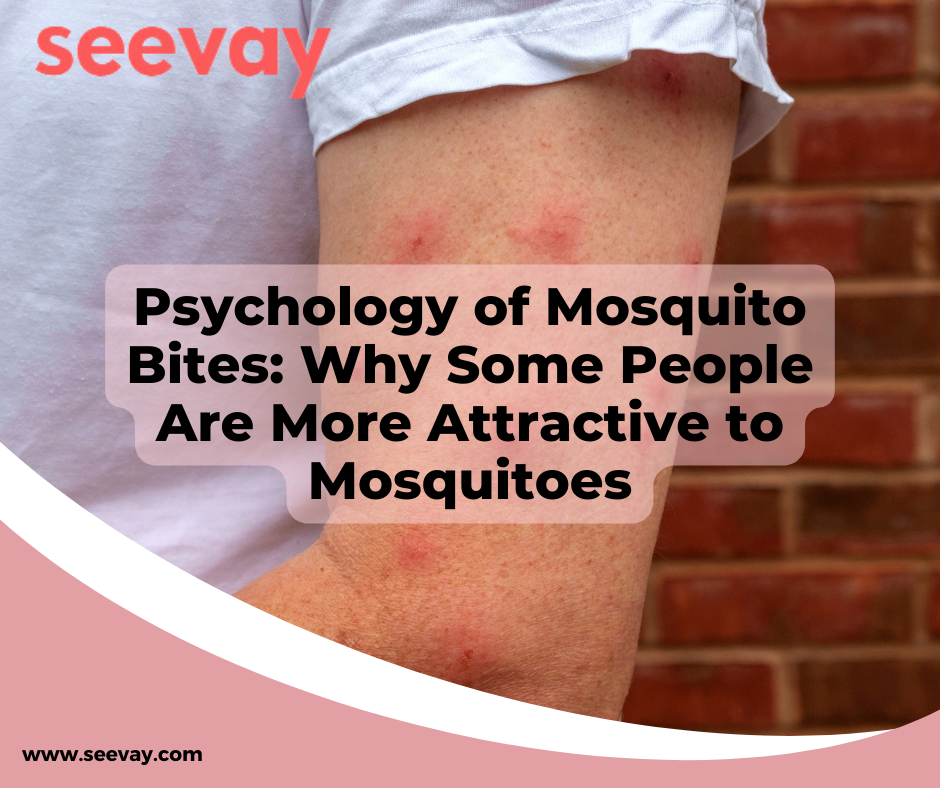
Have you ever noticed that mosquitoes seem to prefer certain people over others? It’s not just your imagination – scientific research has shown that some individuals are indeed more attractive to these pesky insects. Let’s explore the factors that make some people mosquito magnets and what you can do to reduce your appeal.

Factors That Attract Mosquitoes

1. Blood Type
Studies have shown that mosquitoes have a preference for certain blood types. According to research published in the Journal of Medical Entomology, people with Type O blood are twice as attractive to mosquitoes as those with Type A blood. Type B blood falls somewhere in between.

2. Carbon Dioxide Emission
Mosquitoes are drawn to carbon dioxide, which we exhale with every breath. People who emit more CO2 – such as pregnant women, larger individuals, and those engaging in physical activity – tend to attract more mosquitoes.

3. Body Heat
Mosquitoes use heat sensors to locate potential hosts. People with higher body temperatures, whether due to exercise, alcohol consumption, or natural variation, may be more attractive to these insects.

4. Lactic Acid
Our bodies produce lactic acid through physical activity and it’s present in some foods we eat. Mosquitoes are attracted to lactic acid, making active individuals more appealing targets.

5. Skin Bacteria
The natural bacteria living on our skin can produce attractive scents for mosquitoes. People with a higher diversity of skin microbes tend to be more attractive to these insects.

6. Clothing Color
Mosquitoes use visual cues to locate hosts. Dark colors like black, navy, and red are more attractive to mosquitoes than lighter colors.

7. Alcohol Consumption
Drinking alcohol can increase your body temperature and cause you to produce more sweat, both of which can make you more attractive to mosquitoes.

Tips for Reducing Your Attractiveness to Mosquitoes

1. Use mosquito repellents containing DEET, picaridin, or oil of lemon eucalyptus.
2. Wear light-colored clothing when outdoors.
3. Avoid peak mosquito hours (usually dawn and dusk).
4. Remove standing water from your property to reduce mosquito breeding grounds.
5. Use fans when outdoors, as mosquitoes are weak flyers.
6. Consider using mosquito nets when sleeping outdoors or in areas with high mosquito populations.

Conclusion

While some factors that attract mosquitoes are beyond our control, understanding these attractants can help us take steps to reduce our appeal to these bothersome insects. By implementing the tips provided, you can enjoy outdoor activities with fewer mosquito bites.

References:

1. Shirai, Y., et al. (2004). Journal of Medical Entomology, 41(4), 796-799.
2. Verhulst, N. O., et al. (2011). PLoS ONE, 6(12), e28991.
3. Lacroix, R., et al. (2005). Trends in Parasitology, 21(4), 192-195.

This content is proudly produced by seevay.com, a brand focusing on anti-harmful mosquito solutions.