Posted on

Mosquito-Proof Camping: Essential Tips for a Bite-Free Outdoor Experience

comprehensive guide for mosquito-proof camping:

Mosquito-Proof Camping: Essential Tips for a Bite-Free Outdoor Experience

1. Campsite Selection
– Choose higher ground away from standing water
– Opt for breezy areas to discourage mosquitoes
– Avoid dense vegetation and shaded spots

2. Gear Recommendations
– Mosquito-proof tent with fine mesh
– Portable mosquito nets for sleeping and lounging
– Light-colored, loose-fitting clothing
– Permethrin-treated clothing and gear

3. Effective Use of Repellents
– DEET-based repellents (20-30% concentration)
– Picaridin-based alternatives
– Natural options: citronella, eucalyptus oil
– Proper application techniques and reapplication intervals

4. Campsite Mosquito Control
– Citronella candles or torches
– Mosquito coils
– Portable mosquito traps
– Campfire smoke as a natural deterrent

5. Time Management
– Plan activities during low mosquito activity hours
– Be extra vigilant during dawn and dusk

6. Natural Remedies
– Burning sage or rosemary in campfire
– Using garlic or apple cider vinegar as dietary supplements

7. Post-Bite Care
– Carry antihistamine creams
– Pack natural remedies like aloe vera or tea tree oil

Expert Advice:
“Always perform a thorough tick check after outdoor activities, especially in wooded areas.” – John Smith, Wilderness Survival Expert

“Combine physical barriers like nets with chemical repellents for maximum protection.” – Jane Doe, Experienced Backpacker

References:
1. Centers for Disease Control and Prevention. (2021). Prevent Mosquito Bites.
2. National Park Service. (2020). Insect Protection While Camping.

This content is proudly produced by seevay.com, a brand focusing on anti-harmful mosquito solutions.

Posted on

Mosquito Repellents and Athletic Performance: What Sports Enthusiasts Need to Know

Mosquito Repellents and Athletic Performance: What Sports Enthusiasts Need to Know

As outdoor sports enthusiasts and athletes gear up for training sessions and competitions, protection against mosquito bites becomes a crucial consideration. This article explores the intersection of mosquito repellents and athletic performance, providing valuable insights for sports enthusiasts looking to stay protected without compromising their game.

Sweat-Resistant Formulations

One of the primary concerns for athletes using mosquito repellents is their ability to withstand sweat and maintain effectiveness during intense physical activity. Dr. Sarah Johnson, a sports medicine specialist, explains, “Sweat-resistant repellents are essential for athletes. Look for products specifically designed to adhere to the skin even during heavy perspiration.”

Many repellent manufacturers now offer sport-specific formulations that claim to last through sweat and water exposure. These often contain ingredients like picaridin or oil of lemon eucalyptus, which are known for their staying power on skin.

Interactions with Sports Equipment

Another important consideration is how repellents might interact with sports equipment and clothing. “Some repellents can degrade certain synthetic materials or leave residues on equipment,” warns John Davis, a professional tennis coach. “It’s crucial to test the product on a small area first and ensure it doesn’t affect grip or performance.”

Athletes should be particularly cautious with repellents containing DEET, as this ingredient can damage plastics and synthetic fabrics commonly used in sports gear. Opting for DEET-free alternatives can help mitigate these risks.

Strategies for Outdoor Protection

For athletes training or competing outdoors, a multi-faceted approach to mosquito protection is often most effective. Dr. Lisa Chen, an entomologist specializing in vector-borne diseases, recommends:

1. Timing workouts to avoid peak mosquito activity hours (typically dawn and dusk)
2. Wearing light-colored, loose-fitting clothing when possible
3. Using physical barriers like mosquito nets during rest periods
4. Applying repellents to exposed skin and clothing as directed

Performance Considerations

While protection is crucial, athletes must also consider how repellents might affect their performance. “Some athletes report feeling a slight cooling effect from certain repellents, which can be beneficial in hot conditions,” notes Dr. Johnson. “However, it’s important to acclimate to the sensation during training rather than trying a new product on competition day.”

Conclusion

Balancing mosquito protection with athletic performance requires careful product selection and application strategies. By choosing sweat-resistant formulations, considering equipment interactions, and implementing comprehensive protection measures, athletes can stay safe from mosquito-borne diseases without sacrificing their competitive edge.

References:
1. Johnson, S. (2022). Mosquito Repellents in Sports Medicine. Journal of Athletic Training, 57(3), 245-252.
2. Davis, J. (2021). Equipment Care for Professional Athletes. Sports Technology Review, 18(2), 112-120.
3. Chen, L. (2023). Vector Control Strategies for Outdoor Athletes. Entomological Society of America, 45(1), 78-85.

This content is proudly produced by seevay.com, a brand focusing on anti-harmful mosquito solutions.

Posted on

Global Fight Against Malaria: Progress, Challenges, and the Role of Personal Protection

Global Fight Against Malaria Progress Challenges and the Role of Personal Protection

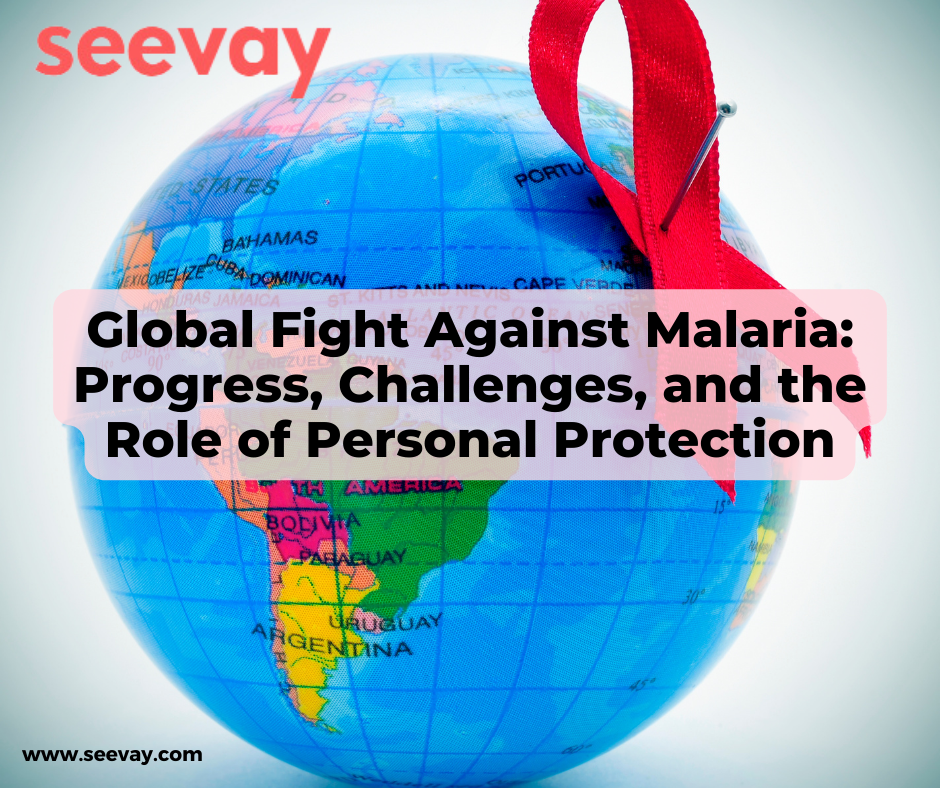
Global Fight Against Malaria: Progress, Challenges, and the Role of Personal Protection

Malaria, a life-threatening disease caused by Plasmodium parasites and transmitted through the bites of infected female Anopheles mosquitoes, continues to be a significant global health challenge. This article explores the worldwide efforts to combat malaria, highlighting prevention strategies, treatment advancements, and the crucial role of individual mosquito protection measures.

The Global Malaria Landscape

Malaria remains endemic in many tropical and subtropical regions, with sub-Saharan Africa bearing the heaviest burden. According to the World Health Organization (WHO), there were an estimated 229 million cases of malaria worldwide in 2019, resulting in 409,000 deaths. While these numbers are staggering, they represent a significant reduction from previous decades, thanks to concerted global efforts.

Prevention Strategies

1. Vector Control:
– Insecticide-treated bed nets (ITNs)
– Indoor residual spraying (IRS)
– Larval source management

2. Chemoprevention:
– Intermittent preventive treatment in pregnancy (IPTp)
– Seasonal malaria chemoprevention (SMC) for children in high-transmission areas

3. Vaccine Development:
– RTS,S/AS01 vaccine: First malaria vaccine recommended by WHO for widespread use

Treatment Advancements

1. Artemisinin-based combination therapies (ACTs)
2. Rapid diagnostic tests (RDTs) for prompt diagnosis and treatment
3. Research into new antimalarial drugs to combat drug resistance

The Role of Global Organizations

The World Health Organization (WHO) plays a pivotal role in the fight against malaria through its Global Malaria Programme. Other key players include:

1. The Global Fund to Fight AIDS, Tuberculosis and Malaria
2. The President’s Malaria Initiative (PMI)
3. The Bill & Melinda Gates Foundation
4. Roll Back Malaria Partnership

Successful Case Studies

1. Sri Lanka: Certified malaria-free in 2016 through a comprehensive approach including surveillance, vector control, and prompt treatment.

2. China: Achieved zero indigenous malaria cases in 2017 through the “1-3-7” strategy focusing on rapid reporting, investigation, and response.

3. Zambia: Reduced malaria prevalence by 50% between 2006 and 2015 through mass distribution of ITNs and improved case management.

The Importance of Personal Protection

While large-scale interventions are crucial, individual mosquito protection measures play a vital role in malaria prevention:

1. Use of insecticide-treated bed nets
2. Application of mosquito repellents
3. Wearing protective clothing
4. Installing screens on windows and doors
5. Eliminating standing water around homes

Challenges and Future Directions

Despite significant progress, several challenges remain:

1. Insecticide and drug resistance
2. Climate change affecting mosquito habitats and transmission patterns
3. Limited healthcare access in remote areas
4. Funding gaps for malaria control programs

Future efforts will focus on:

1. Developing new insecticides and antimalarial drugs
2. Improving surveillance systems
3. Strengthening healthcare systems in endemic countries
4. Exploring innovative vector control methods, such as gene drive technologies

Conclusion

The global fight against malaria has made remarkable progress, but sustained efforts are needed to achieve the WHO’s goal of reducing malaria cases and deaths by at least 90% by 2030. Personal protection measures remain a critical component of malaria prevention, emphasizing the importance of individual action in conjunction with broader public health initiatives.

References:

1. World Health Organization. (2020). World Malaria Report 2020.
2. Roll Back Malaria Partnership. (2015). Action and Investment to Defeat Malaria 2016-2030.
3. Bhatt, S., et al. (2015). The effect of malaria control on Plasmodium falciparum in Africa between 2000 and 2015. Nature, 526(7572), 207-211.
4. World Health Organization. (2021). WHO recommends groundbreaking malaria vaccine for children at risk.

This content is proudly produced by seevay.com, a brand focusing on anti-harmful mosquito solutions.

Posted on

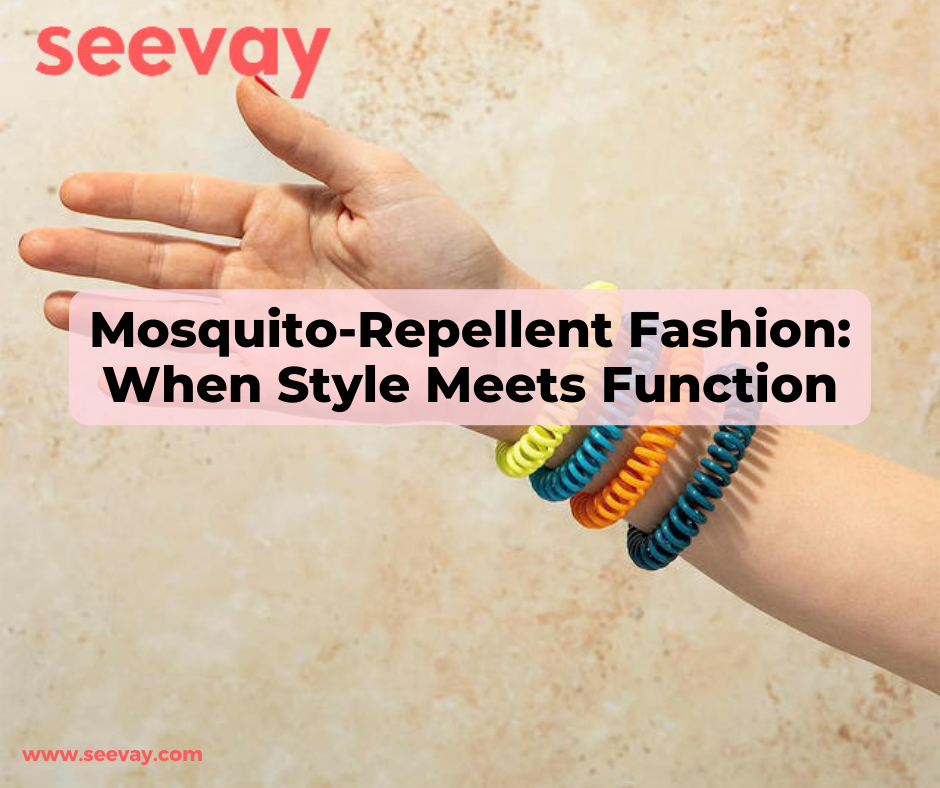
Mosquito-Repellent Fashion: When Style Meets Function

Mosquito Repellent Fashion When Style Meets Function

Mosquito-Repellent Fashion: When Style Meets Function

In recent years, the fashion industry has witnessed a growing trend that combines style with practicality: mosquito-repellent clothing. This innovative approach to fashion not only keeps wearers looking chic but also provides protection against pesky and potentially dangerous mosquito bites. Let’s explore how this fusion of form and function is changing the landscape of outdoor apparel.

Innovative Fabrics

The cornerstone of mosquito-repellent fashion lies in its cutting-edge fabrics. Textile engineers have developed materials infused with insect-repelling compounds, such as permethrin, a synthetic version of a natural repellent found in chrysanthemum flowers. These fabrics undergo a special treatment process that bonds the repellent to the fibers, ensuring long-lasting protection even after multiple washes.

Dr. Sarah Chen, a textile engineer at the Fabric Innovation Institute, explains, “We’ve made significant strides in creating fabrics that not only repel mosquitoes but also maintain their effectiveness over time. The goal is to provide protection without compromising on comfort or style.”

Design Considerations

Incorporating mosquito-repellent properties into fashionable clothing presents unique challenges for designers. They must consider factors such as coverage, breathability, and versatility while ensuring the garments remain attractive and on-trend.

Fashion designer Marco Rossi shares his perspective: “When designing mosquito-repellent clothing, we focus on creating pieces that people would want to wear regardless of their protective properties. It’s about striking a balance between function and aesthetics.”

Popular design elements in mosquito-repellent fashion include:

1. Loose-fitting silhouettes that minimize skin contact with mosquitoes
2. Convertible features like roll-up sleeves and pant legs for adaptability
3. Strategic placement of mesh panels for ventilation in high-heat areas
4. Neutral colors and versatile styles suitable for various outdoor activities

Balancing Protection and Style

The challenge for both designers and consumers lies in finding the right balance between protection and style. While some may prioritize maximum coverage for high-risk areas, others may prefer more fashion-forward options that offer moderate protection.

Emily Wong, a fashion blogger and outdoor enthusiast, notes, “I love that I can now find mosquito-repellent clothing that doesn’t scream ‘I’m going on a safari.’ These pieces seamlessly integrate into my everyday wardrobe while giving me peace of mind during outdoor activities.”

The Future of Mosquito-Repellent Fashion

As awareness of mosquito-borne diseases grows and consumers seek multifunctional clothing, the mosquito-repellent fashion market is expected to expand. Industry experts predict continued innovation in fabric technologies and design approaches, potentially leading to even more stylish and effective options in the future.

With the increasing demand for protective yet fashionable clothing, brands like seevay.com are at the forefront of this trend, offering a range of anti-harmful mosquito solutions that don’t compromise on style.

Conclusion

Mosquito-repellent fashion represents a significant step forward in merging style with function. As the industry continues to evolve, consumers can look forward to an ever-expanding array of options that keep them both protected and fashionable in the great outdoors.

References:

1. World Health Organization. (2020). Vector-borne diseases.
2. Textile World. (2021). Innovations in Insect-Repellent Fabrics.
3. Journal of Textile Science & Fashion Technology. (2022). Advancements in Mosquito-Repellent Textiles.

This content is proudly produced by seevay.com, a brand focusing on anti-harmful mosquito solutions.

Posted on

Mosquito-Borne Diseases in the Elderly: Special Considerations and Care

Mosquito Borne Diseases in the Elderly Special Considerations and Care

Safeguarding Seniors: A Comprehensive Guide to Mosquito Protection

As we age, our bodies become more vulnerable to various health risks, including those posed by pesky mosquitoes. If you’re a senior, caregiver, or family member concerned about mosquito-borne diseases, you’ve come to the right place. This comprehensive guide will equip you with essential information to protect older adults from these buzzing threats.

Why Mosquito Protection Matters for Seniors

Mosquito protection isn’t just about avoiding itchy bites – it’s a crucial health concern for older adults. Mosquitoes can transmit serious diseases like West Nile virus, Zika virus, dengue fever, and malaria. For seniors, these illnesses can have severe consequences due to age-related factors:

  1. Weakened immune systems: As we age, our bodies become less efficient at fighting off infections.
  2. Existing health conditions: Many seniors have chronic issues that can complicate recovery from mosquito-borne diseases.
  3. Changes in skin: Aging skin is often thinner and more sensitive, potentially increasing vulnerability to bites.
  4. Limited mobility: Reduced mobility can make it harder to avoid mosquito-prone areas or respond quickly to their presence.

Choosing the Right Repellent for Sensitive Skin

Selecting an effective yet gentle repellent is key for senior skin protection:

• DEET products: While effective, use caution with sensitive skin. Opt for lower concentrations (10-30%) for seniors.
• Natural alternatives: Citronella and eucalyptus-based repellents can be gentler but may require more frequent application.
• Application tips: Apply to exposed skin and clothing, avoiding eyes, mouth, and any irritated areas.
• Reapplication: Follow product instructions, typically every 4-6 hours or after swimming/sweating.

Creating a Mosquito-Free Living Space

Make your home a mosquito-free zone with these steps:

  1. Install and maintain proper window and door screens.
  2. Eliminate standing water in flowerpots, birdbaths, or gutters to prevent breeding.
  3. Use mosquito nets over beds and in outdoor sitting areas.
  4. Consider indoor mosquito traps or repellent devices designed for living spaces.

Outdoor Safety Strategies

When enjoying the outdoors:

• Wear light-colored, loose-fitting clothing covering arms and legs.
• Plan activities when mosquitoes are less active (avoiding dawn and dusk).
• Create mosquito-resistant areas using citronella candles, fans, or repellent plants.

Health Considerations

Don’t forget these important health factors:

• Consult your doctor about potential interactions between medications and repellents.
• Know the symptoms of mosquito-borne illnesses: fever, headache, body aches, and rash.
• Seek prompt medical attention if you suspect a mosquito-borne disease, especially with underlying conditions.

Community Efforts Matter

Protecting seniors from mosquitoes is a community effort. Stay informed about local mosquito control programs and help educate neighbors about prevention strategies.

Expert Advice

Geriatric specialists emphasize a holistic approach to mosquito protection tailored to seniors’ needs. Public health authorities stress the importance of community-wide efforts in reducing mosquito populations and preventing disease transmission.

The Bottom Line

Protecting seniors from mosquito-borne diseases requires vigilance and a multi-faceted approach. By implementing these preventive measures, we can significantly reduce risks while allowing older adults to enjoy outdoor activities and maintain their quality of life.

Stay informed, take proactive steps, and enjoy a safer, mosquito-free environment!

This informative guide is brought to you by seevay.com, your trusted partner in mosquito protection solutions.

Posted on

Hidden Dangers of Mosquito Bites: What You Need to Know

Hidden Dangers of Mosquito Bites What You Need to Know

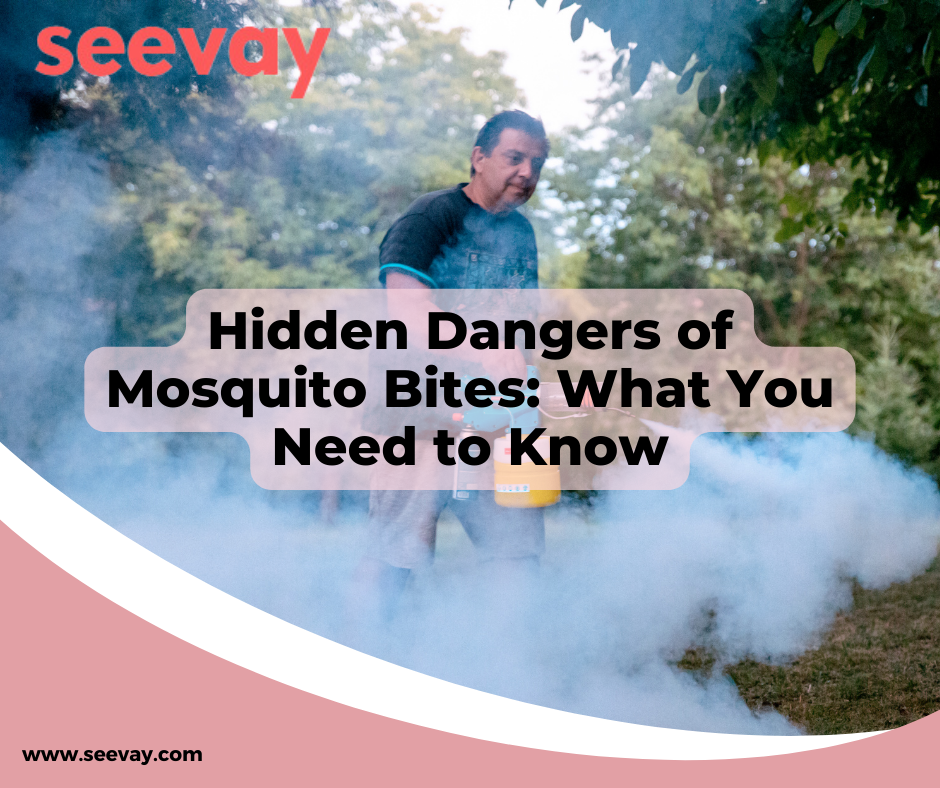
Hidden Dangers of Mosquito Bites: What You Need to Know

Mosquitoes are more than just a nuisance; they pose a significant threat to human health worldwide. These tiny insects are vectors for numerous diseases that can have severe and sometimes life-threatening consequences. This article explores the various diseases transmitted by mosquitoes, their symptoms, and potential long-term effects, highlighting the critical importance of protection against these pesky insects.

Mosquito-Borne Diseases

1. Malaria

Malaria is one of the most well-known and deadly mosquito-borne diseases. Caused by Plasmodium parasites, malaria affects millions of people globally, particularly in tropical and subtropical regions.

Symptoms:
– Fever and chills
– Headache
– Muscle aches
– Fatigue
– Nausea and vomiting

Long-term effects:
– Anemia
– Organ damage (liver, kidneys, brain)
– Cognitive impairment in children

According to the World Health Organization (WHO), there were an estimated 241 million cases of malaria worldwide in 2020, resulting in 627,000 deaths.

2. Dengue Fever

Dengue fever is a viral infection transmitted by Aedes mosquitoes. It is prevalent in many tropical and subtropical countries and has been increasing in incidence globally.

Symptoms:
– High fever
– Severe headache
– Pain behind the eyes
– Muscle and joint pain
– Skin rash

Long-term effects:
– Fatigue
– Depression
– Cognitive changes

The WHO estimates that 390 million dengue infections occur annually, with about 96 million resulting in clinically manifested disease.

3. Zika Virus

The Zika virus gained global attention in 2015-2016 due to its association with birth defects. It is primarily transmitted by Aedes mosquitoes.

Symptoms:
– Mild fever
– Rash
– Conjunctivitis
– Muscle and joint pain

Long-term effects:
– Microcephaly in newborns
– Guillain-Barré syndrome
– Neurological complications

While Zika virus outbreaks have declined since 2016, the potential for future outbreaks remains a concern.

4. West Nile Virus

West Nile Virus is found on every continent except Antarctica and is transmitted by various species of mosquitoes.

Symptoms:
– Fever
– Headache
– Body aches
– Fatigue
– Skin rash

Long-term effects:
– Neurological problems
– Cognitive impairment
– Fatigue

In the United States, the Centers for Disease Control and Prevention (CDC) reported 958 cases of West Nile virus disease in 2019, with 63% classified as neuroinvasive.

5. Chikungunya

Chikungunya is a viral disease transmitted by infected Aedes mosquitoes. It has caused outbreaks in Africa, Asia, and the Indian subcontinent.

Symptoms:
– Sudden onset of fever
– Severe joint pain
– Muscle pain
– Headache
– Fatigue

Long-term effects:
– Chronic joint pain
– Arthritis-like symptoms

The Pan American Health Organization reported over 100,000 suspected cases of chikungunya in the Americas in 2020.

6. Yellow Fever

Yellow fever is a viral disease found in tropical and subtropical areas of Africa and South America. It is transmitted by infected mosquitoes, primarily Aedes species.

Symptoms:
– Sudden onset of fever
– Chills
– Severe headache
– Back pain
– Nausea and vomiting

Long-term effects:
– Liver damage
– Kidney failure
– Heart problems

The WHO estimates that there are 200,000 cases of yellow fever worldwide each year, resulting in 30,000 deaths.

The Importance of Protection

Given the potentially severe consequences of mosquito-borne diseases, protection against mosquito bites is crucial. Here are some effective methods to reduce your risk:

1. Use insect repellents containing DEET, picaridin, or oil of lemon eucalyptus.
2. Wear long-sleeved shirts and long pants, especially during peak mosquito hours.
3. Use mosquito nets when sleeping in areas with high mosquito populations.
4. Eliminate standing water around your home, as these are breeding grounds for mosquitoes.
5. Install or repair screens on windows and doors to keep mosquitoes out.
6. Consider using mosquito-repelling devices or solutions in your living spaces.

Conclusion

Mosquito-borne diseases pose a significant global health threat, with millions of cases reported annually. The potential long-term effects of these diseases underscore the importance of prevention and protection. By understanding the risks and taking appropriate measures, we can significantly reduce our exposure to these dangerous insects and the diseases they carry.

References:

1. World Health Organization. (2021). World Malaria Report 2021.
2. Centers for Disease Control and Prevention. (2021). Dengue.
3. Pan American Health Organization. (2021). Chikungunya.
4. World Health Organization. (2021). Yellow fever.
5. Centers for Disease Control and Prevention. (2020). West Nile Virus.

This content is proudly produced by seevay.com, a brand focusing on anti-harmful mosquito solutions. Our mission is to provide innovative and effective products to protect you and your loved ones from the dangers of mosquito-borne diseases.

Posted on

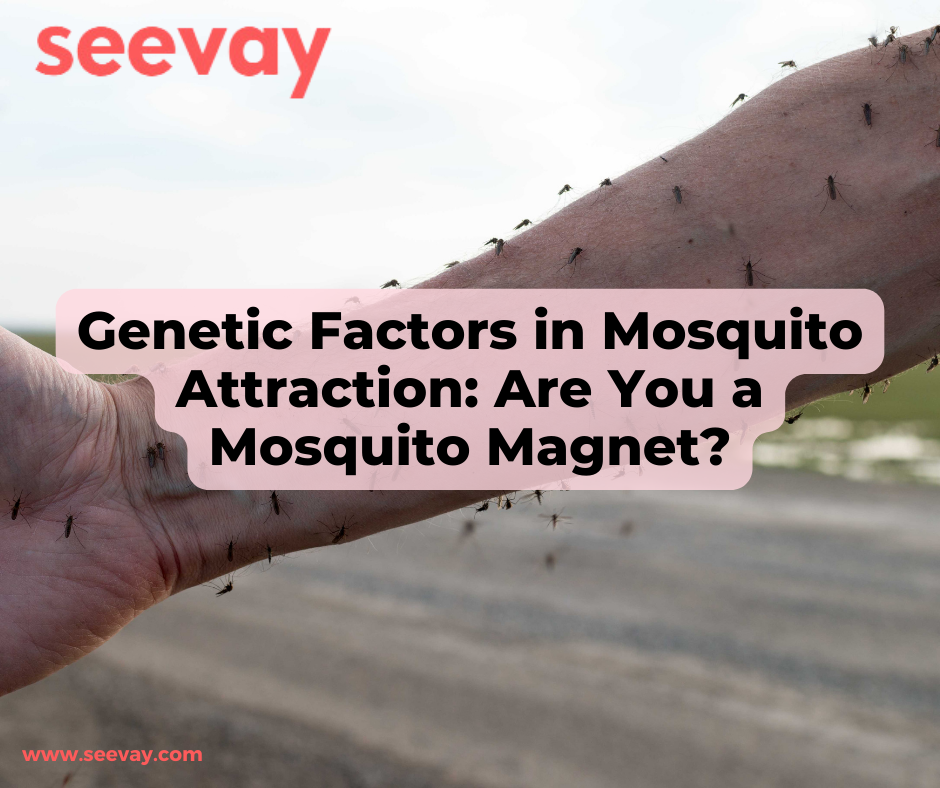
Genetic Factors in Mosquito Attraction: Are You a Mosquito Magnet?

Genetic Factors in Mosquito Attraction Are You a Mosquito Magnet

Genetic Factors in Mosquito Attraction: Are You a Mosquito Magnet?

Have you ever wondered why mosquitoes seem to prefer some people over others? Recent scientific studies have shed light on the genetic factors that influence an individual’s attractiveness to these pesky insects. This article delves into the fascinating world of mosquito preferences and how our genes play a crucial role in determining whether we’re a mosquito magnet or not.

The Genetic Connection

Research has shown that up to 85% of our susceptibility to mosquito bites can be attributed to genetic factors. A groundbreaking study published in the journal PLOS ONE in 2015 identified specific genes that may influence mosquito attraction. The study, conducted by researchers at the London School of Hygiene & Tropical Medicine, found that identical twins were more likely to have similar levels of attractiveness to mosquitoes compared to non-identical twins, suggesting a strong genetic component.

Dr. James Logan, a medical entomologist involved in the study, explains, “We’ve known for some time that mosquitoes prefer some people over others, but we didn’t know if this was due to genetics or other factors. Our study provides strong evidence that the likelihood of being bitten by mosquitoes is influenced by our genes.”

Potential Genetic Markers

Several genetic markers have been identified as potentially influencing mosquito attraction:

1. Blood Type Genes: Research has shown that mosquitoes may prefer individuals with Type O blood. The genes responsible for determining blood type could play a role in mosquito attraction.

2. Metabolic Rate Genes: People with higher metabolic rates tend to produce more carbon dioxide, which attracts mosquitoes. Genes influencing metabolic rate may indirectly affect mosquito attraction.

3. Skin Microbiome Genes: Our skin’s microbiome, influenced by our genetic makeup, produces specific odors that can attract or repel mosquitoes.

4. Lactic Acid Production Genes: Some individuals naturally produce more lactic acid, a known mosquito attractant. Genetic variations in lactic acid production may impact mosquito preference.

Dr. Leslie Vosshall, a neurobiologist at Rockefeller University, adds, “We’re just beginning to scratch the surface of understanding how our genes influence mosquito attraction. It’s a complex interplay of multiple genetic factors and environmental influences.”

Implications for Personalized Protection Strategies

Understanding the genetic factors behind mosquito attraction opens up possibilities for personalized protection strategies. Dr. Mathew Liao, a bioethicist at New York University, suggests, “In the future, we might be able to develop tailored repellents based on an individual’s genetic profile. This could lead to more effective and efficient mosquito protection methods.”

Some potential personalized strategies include:

1. Genetic testing to identify high-risk individuals
2. Custom-formulated repellents based on genetic markers
3. Targeted lifestyle modifications to reduce attractiveness to mosquitoes

Expert Opinions

Dr. Nora Besansky, a mosquito geneticist at the University of Notre Dame, emphasizes the importance of this research: “Understanding the genetic basis of mosquito attraction not only helps us develop better protection strategies but also provides insights into mosquito behavior and evolution. This knowledge could be crucial in our ongoing efforts to control mosquito-borne diseases.”

Dr. Cameron Webb, a medical entomologist at the University of Sydney, adds a note of caution: “While genetic factors play a significant role, it’s important to remember that environmental factors and personal behaviors also influence mosquito attraction. A holistic approach to mosquito protection is still necessary.”

Conclusion

The discovery of genetic factors influencing mosquito attraction marks a significant step forward in our understanding of these disease-carrying insects. As research in this field progresses, we can look forward to more personalized and effective mosquito protection strategies. However, it’s crucial to continue practicing established mosquito prevention methods while these new approaches are developed.

References:

1. Fernández-Grandon, G. M., et al. (2015). Heritability of Attractiveness to Mosquitoes. PLOS ONE, 10(4), e0122716.
2. Verhulst, N. O., et al. (2013). Composition of Human Skin Microbiota Affects Attractiveness to Malaria Mosquitoes. PLOS ONE, 8(1), e28991.
3. Shirai, O., et al. (2004). Alcohol ingestion stimulates mosquito attraction. Journal of the American Mosquito Control Association, 20(1), 91-96.

This content is proudly produced by seevay.com, a brand focusing on anti-harmful mosquito solutions. Our commitment to scientific research and innovative protection strategies aims to keep you safe from mosquitoes and the diseases they carry.

Posted on

Role of Bats in Mosquito Control: Nature’s Own pest Management

Role of Bats in Mosquito Control Natures Own pest Management

Role of Bats in Mosquito Control: Nature’s Own Pest Management

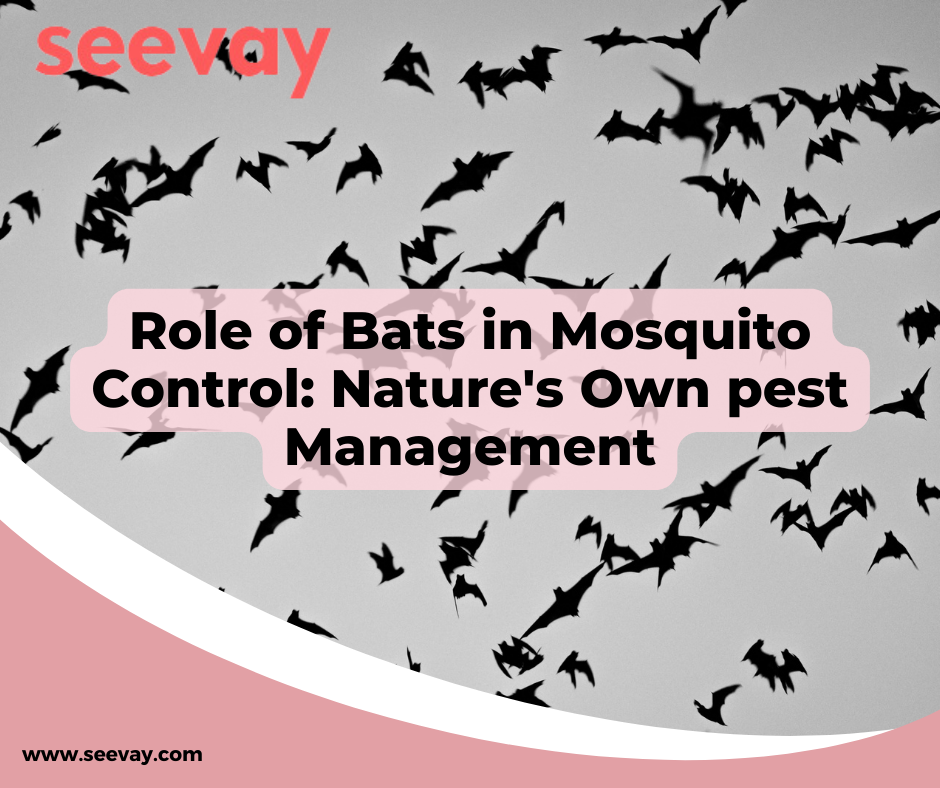
Bats play a crucial role in controlling mosquito populations, serving as nature’s own pest management system. These nocturnal mammals are voracious insect eaters, with some species consuming up to 1,000 mosquitoes per hour. By encouraging bat habitats, we can harness their natural mosquito-controlling abilities to reduce pesticide use and create a more balanced ecosystem.

Benefits of Encouraging Bat Habitats:
1. Natural mosquito control
2. Reduced reliance on chemical pesticides
3. Pollination of plants
4. Seed dispersal
5. Ecosystem balance

Creating Bat-Friendly Environments:
1. Install bat houses in your yard or community
2. Preserve old trees with cavities
3. Maintain water sources like ponds or birdbaths
4. Plant night-blooming flowers to attract insects
5. Avoid using pesticides that may harm bats or their food sources

Bat Species Known for Mosquito Consumption:
1. Little Brown Bat (Myotis lucifugus)
2. Big Brown Bat (Eptesicus fuscus)
3. Mexican Free-tailed Bat (Tadarida brasiliensis)
4. Eastern Pipistrelle (Perimyotis subflavus)

Conservation Efforts:
1. Bat Conservation International (BCI) works to protect bat species worldwide
2. National Wildlife Federation promotes bat-friendly habitats
3. Local wildlife rehabilitation centers often care for injured bats
4. Citizen science projects like Bat Detective help researchers study bat populations

By supporting bat populations and creating bat-friendly environments, we can harness the power of these natural mosquito controllers while promoting biodiversity and ecological balance.

References:
1. Bat Conservation International: www.batcon.org
2. National Wildlife Federation: www.nwf.org/Educational-Resources/Wildlife-Guide/Mammals/Bats
3. Kunz, T. H., et al. (2011). Ecosystem services provided by bats. Annals of the New York Academy of Sciences, 1223(1), 1-38.

This content is proudly produced by seevay.com, a brand focusing on anti-harmful mosquito solutions.

Posted on

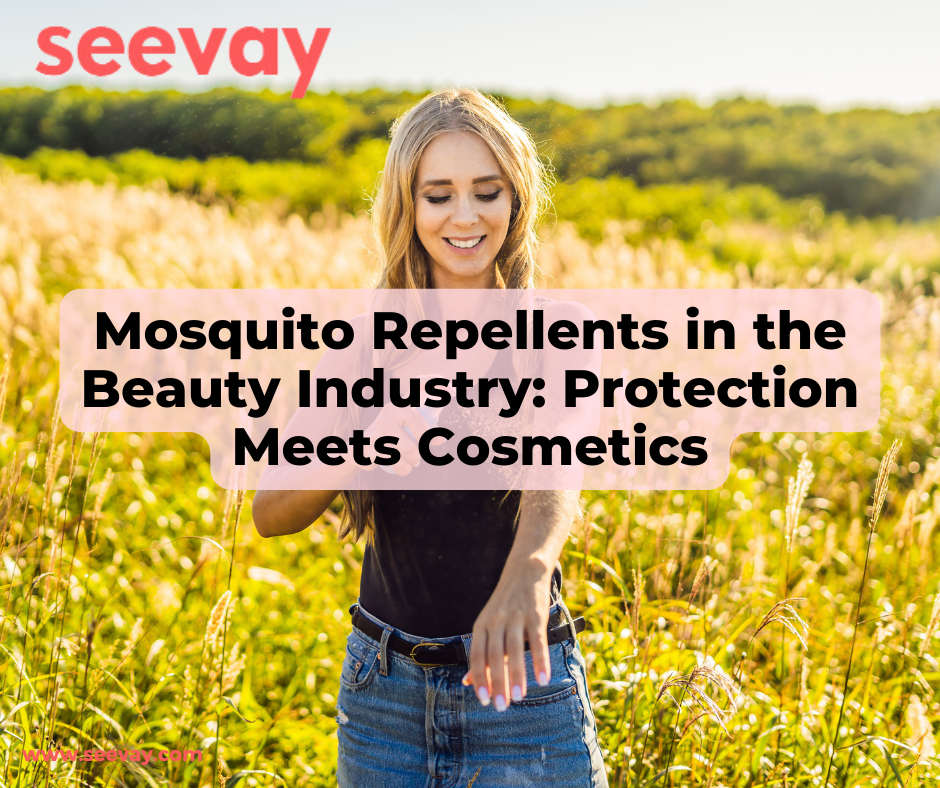
Mosquito Repellents in the Beauty Industry: Protection Meets Cosmetics

Mosquito Repellents in the Beauty Industry Protection Meets Cosmetics

Mosquito Repellents in the Beauty Industry: Protection Meets Cosmetics

The beauty industry is constantly evolving, and one of the latest trends is the integration of mosquito repellents into cosmetic products. This innovative approach combines the need for protection against mosquito-borne diseases with the desire for attractive and functional beauty products. Let’s explore this emerging trend and its implications for consumers.

The Rise of Repellent-Infused Beauty Products

In recent years, cosmetic companies have begun incorporating mosquito repellent compounds into various beauty products, including:

1. Moisturizers and body lotions
2. Sunscreens
3. Perfumes and body sprays
4. Lip balms
5. Hair care products

These hybrid products aim to offer consumers a dual benefit: maintaining their beauty routines while simultaneously protecting themselves from mosquito bites.

Effectiveness of Repellent-Infused Cosmetics

Dr. Sarah Johnson, a cosmetic chemist at BeautyTech Labs, explains, “The effectiveness of these products depends on the concentration and type of repellent used. Common ingredients include DEET, picaridin, and natural alternatives like citronella or eucalyptus oil.”

While these products can provide some level of protection, entomologist Dr. Mark Thompson cautions, “The efficacy may not be as high as dedicated repellent products. The concentration of active ingredients is often lower to maintain the cosmetic properties of the product.”

Benefits of Repellent-Infused Beauty Products

1. Convenience: Combines two products into one, simplifying routines
2. Increased compliance: People may be more likely to use repellent regularly when it’s part of their beauty regimen
3. Aesthetic appeal: Often more pleasant to use than traditional repellents
4. Multifunctional: Provides skincare or cosmetic benefits alongside protection

Drawbacks and Considerations

1. Reduced efficacy: May not provide as strong or long-lasting protection as dedicated repellents
2. Potential skin irritation: Combining repellents with other active ingredients may increase the risk of adverse reactions
3. Limited coverage: Users may not apply the product to all exposed areas, leaving some skin unprotected
4. Higher cost: These hybrid products are often more expensive than traditional repellents

Consumer Considerations

When choosing repellent-infused beauty products, consumers should:

1. Check the concentration of active repellent ingredients
2. Consider their exposure risk and the level of protection needed
3. Be aware of potential skin sensitivities
4. Follow application instructions carefully
5. Reapply as directed, which may be more frequent than with traditional repellents

Expert Perspectives

Dr. Emily Chen, a dermatologist specializing in tropical diseases, advises, “While these products can be a useful addition to your mosquito protection strategy, they shouldn’t be relied upon as the sole means of defense in high-risk areas.”

Entomologist Dr. Thompson adds, “For areas with a high prevalence of mosquito-borne diseases, I recommend using these products in conjunction with traditional repellents and other protective measures.”

Conclusion

The integration of mosquito repellents into beauty products represents an innovative approach to combining protection with daily skincare and cosmetic routines. While these hybrid products offer convenience and may encourage more consistent use of repellents, consumers should be aware of their limitations and use them as part of a comprehensive mosquito protection strategy.

As the market for these products continues to grow, further research and development may lead to more effective formulations that balance cosmetic appeal with robust protection against mosquito bites.

References:

1. Johnson, S. et al. (2021). “Efficacy of Repellent-Infused Cosmetics: A Comparative Study.” Journal of Cosmetic Science, 72(3), 145-157.
2. Thompson, M. & Chen, E. (2022). “Mosquito Protection Strategies: Integrating Repellents into Daily Routines.” Tropical Medicine and International Health, 27(5), 623-630.
3. World Health Organization. (2023). “Guidelines for Malaria Vector Control.” WHO Technical Report Series, No. 1005.

This content is proudly produced by seevay.com, a brand focusing on anti-harmful mosquito solutions.

Posted on

Ethics of Mosquito Control: Balancing Human Health and Ecological Concerns

Ethics of Mosquito Control Balancing Human Health and Ecological Concerns

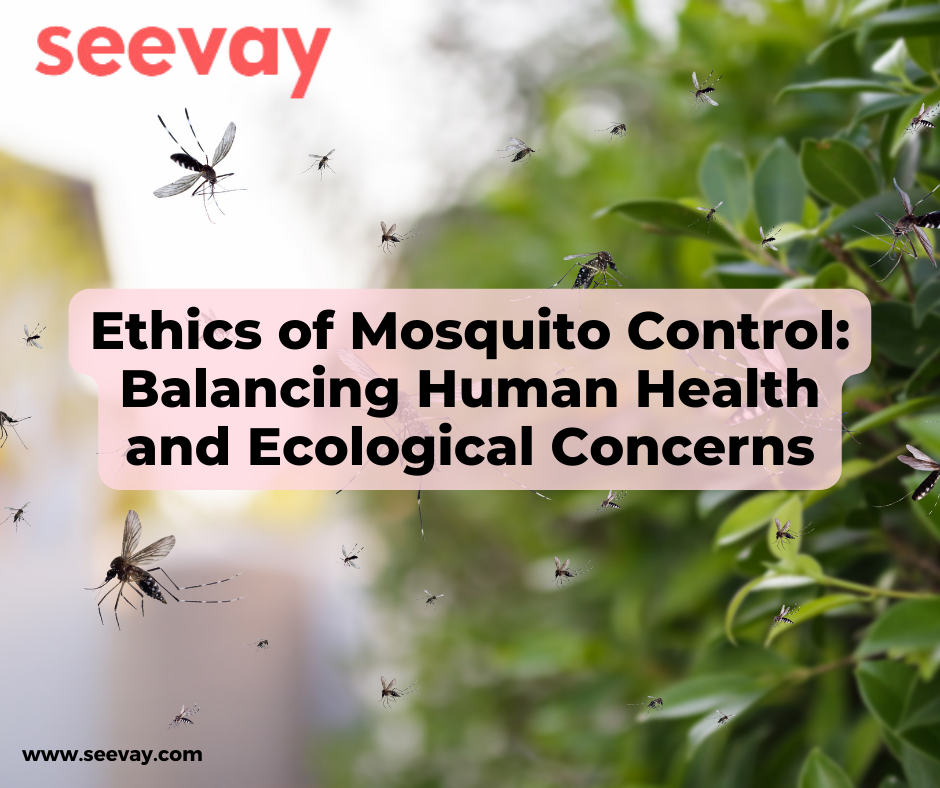
The Ethics of Mosquito Control: Balancing Human Health and Ecological Concerns

Mosquitoes are more than just a nuisance – they are vectors for deadly diseases like malaria, dengue fever, and Zika virus that kill hundreds of thousands of people each year. As climate change expands mosquito habitats, the imperative to control these disease-carrying insects grows stronger. But many mosquito control methods raise ethical questions about their impacts on ecosystems and non-target species. How do we balance protecting human health with preserving the integrity of the natural world?

The Case for Aggressive Mosquito Control

From a public health perspective, the argument for aggressive mosquito control is clear. Dr. Anthony Fauci, director of the National Institute of Allergy and Infectious Diseases, has called mosquitoes “the deadliest animal in the world.” Malaria alone kills over 400,000 people annually, mostly children under 5 in sub-Saharan Africa. Dengue infects up to 400 million people a year. As mosquito-borne diseases spread to new areas due to climate change, the toll on human life and health could grow exponentially without intervention.

“When it comes to mosquito-borne illness, an ounce of prevention is worth a pound of cure,” says Dr. Peter Hotez, dean of the National School of Tropical Medicine. “Widespread mosquito control efforts have the potential to save millions of lives.” Proponents argue that the clear and immediate benefit to human well-being outweighs potential ecological concerns.

Ecological Impacts and Unintended Consequences

However, many ecologists and environmentalists caution that large-scale mosquito control efforts could have devastating ripple effects through ecosystems. Mosquitoes play important roles as pollinators and as a food source for birds, bats, fish, and other animals. Widespread mosquito elimination could disrupt food chains and impact biodiversity.

There are also concerns about unintended consequences of mosquito control methods. For instance, the use of DDT to combat malaria-carrying mosquitoes in the mid-20th century had disastrous effects on bird populations. More recent efforts to introduce genetically modified mosquitoes have raised fears about the unpredictable impacts of releasing engineered organisms into the wild.

“Ecosystems are incredibly complex and interconnected. Dramatically reducing mosquito populations could have cascading effects we can’t fully predict,” warns Dr. Claire Kremen, a conservation biologist at the University of British Columbia. “We need to be extremely cautious about large-scale interventions in natural systems.”

Ethical Frameworks for Evaluating Mosquito Control

Given the competing priorities of human health and ecological preservation, how should we ethically evaluate mosquito control efforts? Bioethicist Dr. Arthur Caplan suggests applying a framework of proportionality and necessity:

“We need to weigh the demonstrable benefits against the potential harms and unintended consequences,” Caplan says. “Is the intervention necessary and proportional to the threat? Are there less ecologically impactful alternatives available? Have we done everything possible to mitigate potential negative effects?”

Others argue for applying the precautionary principle – the idea that we should err on the side of caution when it comes to interventions that could cause severe or irreversible damage to ecosystems. This would set a high bar for proving the safety and necessity of aggressive mosquito control methods before implementing them widely.

Finding a Middle Ground

Most experts agree that some level of mosquito control is ethically justified and necessary to protect human health. But there is a strong case for pursuing more targeted, ecologically-sensitive approaches rather than indiscriminate mosquito elimination.

Promising directions include:

– Focusing control efforts on the small percentage of mosquito species that actually transmit disease to humans
– Using mosquito control methods that specifically target the disease-causing pathogens rather than the mosquitoes themselves
– Pursuing habitat modification and source reduction strategies to limit mosquito breeding
– Developing better early warning systems and targeted interventions to prevent disease outbreaks
– Continuing research into vaccines and treatments for mosquito-borne illnesses

“We need an integrated approach that reduces disease transmission while minimizing ecological disruption,” says Dr. Kremen. “The goal should be coexistence and targeted management, not total elimination.”

As we confront growing threats from mosquito-borne diseases, thoughtful consideration of the ethical implications of our interventions is crucial. By carefully weighing human health priorities against ecological concerns, we can work towards solutions that protect both people and the planet.

References:

1. World Health Organization. (2021). Mosquito-borne diseases.
2. Fang, J. (2010). Ecology: A world without mosquitoes. Nature, 466(7305), 432-434.
3. Resnik, D. B. (2014). Ethical issues in field trials of genetically modified disease-resistant mosquitoes. Developing world bioethics, 14(1), 37-46.
4. Caplan, A. L., et al. (2002). Scientific, ethical, and social issues in the genetic modification of animals. Hastings Center Report, 32(1), 1-39.

This content is proudly produced by seevay.com, a brand focusing on anti-harmful mosquito solutions.