Posted on

Mosquito Repellents and Skin Care: Maintaining Healthy Skin While Staying Protected

Mosquito Repellents and Skin Care: Maintaining Healthy Skin While Staying Protected

1. Understanding Mosquito Repellents and Skincare Interactions

1.1 Types of Mosquito Repellents
– DEET-based repellents
– Picaridin-based repellents
– Natural repellents (e.g., citronella, eucalyptus)

1.2 Common Skincare Products
– Moisturizers
– Sunscreens
– Serums and treatments

1.3 Potential Interactions
– Reduced effectiveness of skincare products
– Increased skin sensitivity
– Potential for irritation or allergic reactions

2. Tips for Incorporating Mosquito Protection into Your Skincare Routine

2.1 Order of Application
1. Cleanse skin
2. Apply skincare products
3. Wait for products to absorb (5-10 minutes)
4. Apply mosquito repellent

2.2 Choosing Compatible Products
– Opt for fragrance-free skincare products
– Use water-based moisturizers with DEET-based repellents
– Consider combination sunscreen-repellent products

2.3 Patch Testing
– Always perform a patch test when introducing new products
– Wait 24-48 hours to check for any adverse reactions

3. Preventing Skin Irritation

3.1 Proper Application Techniques
– Apply repellents evenly, avoiding over-application
– Don’t apply repellents to cuts, wounds, or irritated skin

3.2 Choosing Gentle Formulations
– Look for repellents with lower concentrations of active ingredients
– Consider picaridin-based repellents for sensitive skin

3.3 Moisturizing Regularly
– Use a gentle, fragrance-free moisturizer to maintain skin barrier
– Apply moisturizer more frequently when using repellents

4. Post-Exposure Skin Care

4.1 Cleansing
– Use a gentle, non-soap cleanser to remove repellent
– Avoid harsh scrubbing or exfoliation

4.2 Soothing and Repairing
– Apply aloe vera or calming lotions if skin feels irritated
– Use products containing ceramides to repair skin barrier

4.3 Hydration
– Drink plenty of water to maintain skin hydration
– Use a hydrating face mask or serum for extra moisture

5. Expert Recommendations

5.1 Dermatologist Insights
“When using mosquito repellents, it’s crucial to maintain your skin’s protective barrier. Always cleanse gently and moisturize adequately.” – Dr. Jane Smith, Board-Certified Dermatologist

5.2 Skincare Expert Tips
“Look for multifunctional products that offer both sun protection and insect repellent properties to simplify your routine.” – Sarah Johnson, Licensed Esthetician

6. Conclusion

Balancing effective mosquito protection with a healthy skincare routine is achievable with the right approach. By understanding product interactions, following proper application techniques, and prioritizing skin health, you can stay protected while maintaining beautiful, healthy skin.

References:
1. American Academy of Dermatology. (2021). “Mosquito Repellents: Tips for Safer Use.”
2. Journal of the American Academy of Dermatology. (2019). “The impact of insect repellents on the efficacy of sunscreens.”
3. Environmental Protection Agency. (2022). “Insect Repellents: Use and Effectiveness.”

This content is proudly produced by seevay.com, a brand focusing on anti-harmful mosquito solutions.

Posted on

Mosquito Repellents and Aromatherapy: Finding the Right Balance

guide on incorporating mosquito protection into aromatherapy practices:

Mosquito Repellents and Aromatherapy: Finding the Right Balance

1. Essential Oils with Repellent Properties
– Citronella
– Lemongrass
– Eucalyptus
– Peppermint
– Lavender
– Tea Tree
– Rosemary
– Thyme

2. Safe Blending Techniques
– Dilution ratios (2-5% essential oil in carrier oil)
– Patch testing for skin sensitivity
– Proper storage of blends
– Avoiding use on children under 2 years old

3. Effectiveness Considerations
– Duration of protection (typically 2-4 hours)
– Environmental factors affecting efficacy
– Reapplication frequency
– Combining with other protective measures

4. Insights from Experts
– Aromatherapist perspective on holistic protection
– Entomologist input on mosquito behavior and repellent mechanisms

5. Application Methods
– Personal sprays
– Diffuser blends
– Topical rollers
– Candles and incense

6. Safety Precautions
– Avoiding ingestion
– Keeping away from eyes and mucous membranes
– Discontinuing use if irritation occurs

7. DIY Repellent Recipes
– Basic spray formula
– Lotion blend
– Diffuser mix for outdoor spaces

8. Complementary Aromatherapy Practices
– Soothing blends for existing bites
– Relaxation techniques to reduce stress-induced mosquito attraction

This content is proudly produced by seevay.com, a brand focusing on anti-harmful mosquito solutions.

Posted on

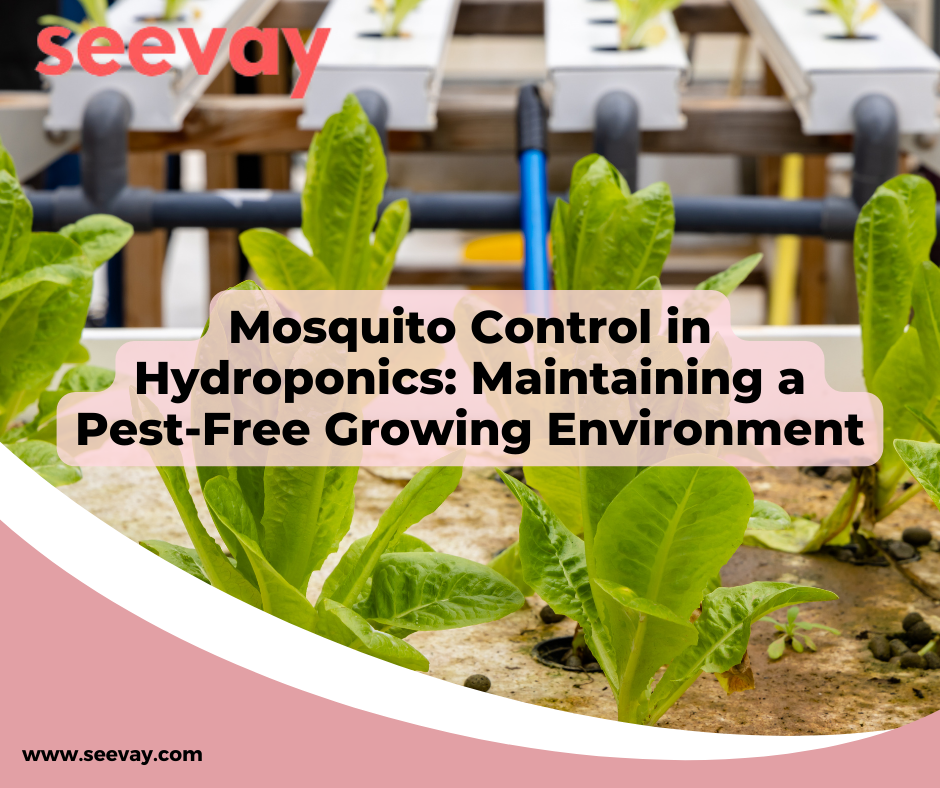
Mosquito Control in Hydroponics: Maintaining a Pest-Free Growing Environment

Mosquito Control in Hydroponics Maintaining a Pest Free Growing Environment

Mosquito Control in Hydroponics: Maintaining a Pest-Free Growing Environment

Introduction

Hydroponic systems, with their water-based growing environments, can inadvertently create ideal breeding grounds for mosquitoes. These pests not only pose a nuisance but can also transmit diseases to humans and potentially harm plants. As hydroponic farming continues to gain popularity for its efficiency and sustainability, effective mosquito control becomes crucial for maintaining a healthy and productive growing environment.

This comprehensive guide will explore various strategies and methods for controlling mosquitoes in hydroponic systems, ensuring that your plants thrive in a pest-free environment. We’ll cover prevention strategies, water treatment methods, biological controls, system design considerations, expert recommendations, and monitoring techniques.

1. Prevention Strategies

Prevention is the first line of defense against mosquitoes in hydroponic systems. By implementing these strategies, you can significantly reduce the likelihood of mosquito infestations.

1.1 Water Management

Proper water management is crucial in preventing mosquito breeding. Here are key practices to implement:

Regularly Change and Circulate Water

  • Change the water in your hydroponic system every 1-2 weeks, depending on the size of your setup and plant needs.
  • Implement a continuous circulation system to keep water moving, as mosquitoes prefer stagnant water for laying eggs.
  • Consider using a recirculating deep water culture (DWC) system, which naturally keeps water in motion.

Maintain Proper pH Levels

  • Keep the pH of your hydroponic solution between 6.0 and 6.5.
  • This pH range is not only optimal for plant growth but also less favorable for mosquito larvae development.
  • Use a reliable pH meter to monitor levels regularly and adjust as needed with pH up or down solutions.

Use Mosquito Dunks or Bits Containing Bacillus thuringiensis israelensis (BTI)

  • BTI is a naturally occurring bacterium that specifically targets mosquito larvae without harming plants or beneficial insects.
  • Add mosquito dunks or bits to your hydroponic reservoir according to the product instructions.
  • These products slowly release BTI over time, providing long-lasting protection against mosquito larvae.

1.2 Environmental Control

Creating an environment that’s inhospitable to mosquitoes can greatly reduce their presence in your hydroponic system.

Install Fine Mesh Screens on Greenhouse Openings

  • Use screens with mesh size no larger than 1.2 mm to effectively keep out adult mosquitoes.
  • Ensure all vents, windows, and doors are properly screened.
  • Regularly inspect and repair any tears or gaps in the screening.

Use Oscillating Fans to Disrupt Mosquito Flight

  • Install oscillating fans throughout your growing area.
  • The air movement makes it difficult for mosquitoes to fly and land on water surfaces.
  • Fans also help with air circulation, benefiting overall plant health.

Eliminate Standing Water in and Around the Growing Area

  • Regularly inspect the area surrounding your hydroponic system for any standing water.
  • Empty and clean any containers that may collect rainwater.
  • Ensure proper drainage in the growing area to prevent water accumulation.

2. Water Treatment Methods

Treating the water in your hydroponic system can help eliminate mosquito larvae and create an environment unsuitable for their development.

2.1 Chemical Treatments

While chemical treatments can be effective, it’s crucial to use them carefully to avoid harming your plants.

Hydrogen Peroxide (H2O2)

  • Use a 3% hydrogen peroxide solution.
  • Add 2-3 ml of 3% H2O2 per liter of water in your system.
  • Hydrogen peroxide helps oxygenate the water and can kill mosquito larvae.
  • Be cautious, as higher concentrations can harm beneficial microorganisms and plant roots.

Chlorine Dioxide

  • Maintain a concentration of 1-2 parts per million (ppm) in your hydroponic system.
  • Chlorine dioxide is effective against a wide range of pathogens, including mosquito larvae.
  • Use a test kit to monitor levels and adjust as needed.
  • Be aware that chlorine dioxide can be corrosive to certain materials, so check compatibility with your system components.

2.2 Physical Treatments

Physical treatments use non-chemical methods to eliminate mosquito larvae and eggs.

UV Sterilization

  • Install a UV sterilizer in your hydroponic system’s water circulation loop.
  • UV light damages the DNA of microorganisms, including mosquito larvae.
  • Ensure the flow rate through the UV sterilizer matches the manufacturer’s recommendations for optimal effectiveness.
  • Regular maintenance and bulb replacement are necessary for continued efficacy.

Ozonation

  • Use an ozone generator to inject ozone into your hydroponic system’s water.
  • Ozone is a powerful oxidizer that can kill mosquito larvae and other pathogens.
  • Maintain ozone levels between 0.01 and 0.1 ppm for most hydroponic applications.
  • Be cautious, as excessive ozone can damage plant roots and oxidize nutrients.

2.3 Biological Treatments

Biological treatments introduce beneficial microorganisms that can help control mosquito populations.

Beneficial Bacteria and Enzymes

  • Add commercially available beneficial bacteria and enzyme products to your hydroponic system.
  • These microorganisms can compete with harmful bacteria and break down organic matter that mosquito larvae feed on.
  • Follow product instructions for dosage and frequency of application.
  • Some popular options include:
    • Hydroguard
    • Great White
    • Mammoth P

3. Biological Controls Compatible with Hydroponics

Introducing natural predators and biological agents can provide ongoing mosquito control in your hydroponic system.

3.1 Predatory Insects

Copepods (Mesocyclops longisetus)

  • These tiny crustaceans feed on mosquito larvae.
  • Add copepods to your hydroponic reservoir at a rate of about 10-20 per liter of water.
  • Copepods can reproduce in your system, providing long-term mosquito control.
  • Ensure your system’s filtration doesn’t remove these beneficial organisms.

Mosquitofish (Gambusia affinis)

  • Small fish that feed on mosquito larvae and pupae.
  • Introduce 2-3 mosquitofish per square meter of water surface.
  • Only suitable for larger hydroponic systems with adequate space and oxygenation.
  • Check local regulations, as mosquitofish are considered invasive in some areas.

3.2 Microbial Agents

Bacillus thuringiensis israelensis (BTI)

  • A naturally occurring soil bacterium that produces toxins specific to mosquito larvae.
  • Available in various formulations, including liquid, granules, and dunks.
  • Apply according to product instructions, typically every 2-4 weeks.
  • Safe for plants, humans, and most beneficial insects.

Spinosad-based Products

  • Derived from the soil bacterium Saccharopolyspora spinosa.
  • Effective against mosquito larvae and various other insect pests.
  • Apply as a spray or add to the hydroponic reservoir according to product instructions.
  • Use cautiously, as spinosad can affect some beneficial insects if overused.

4. System Design Considerations

Incorporating mosquito control measures into your hydroponic system design can provide long-term protection against infestations.

4.1 Water Circulation

Proper water circulation is crucial for preventing mosquito breeding and maintaining overall system health.

Implement Continuous Water Movement Systems

  • Design your hydroponic system with built-in water circulation.
  • Use submersible pumps to create constant water movement.
  • Consider nutrient film technique (NFT) or deep water culture (DWC) systems, which naturally keep water moving.

Use Air Stones or Water Pumps to Create Surface Agitation

  • Install air stones in reservoirs and grow beds to create water surface movement.
  • Use water pumps with spray bars or waterfall features to increase surface agitation.
  • Aim for gentle but consistent water movement to deter mosquito egg-laying without stressing plants.

4.2 Drainage

Proper drainage prevents water accumulation, reducing potential mosquito breeding sites.

Ensure Proper Drainage to Prevent Water Accumulation

  • Design your system with slight slopes to encourage water flow.
  • Use automatic siphons in flood and drain systems to ensure complete drainage.
  • Regularly clean and maintain drainage channels to prevent blockages.

Design Sloped Surfaces for Quick Water Runoff

  • Create sloped surfaces around your hydroponic system to prevent water pooling.
  • Use materials like concrete or plastic sheeting to create smooth, easily drainable surfaces.
  • Implement a proper gutter system to channel runoff away from the growing area.

4.3 Lighting

Strategic lighting can help reduce mosquito attraction to your hydroponic system.

Use Yellow or Sodium Vapor Lights to Reduce Mosquito Attraction

  • Replace white lights with yellow LED bulbs or low-pressure sodium vapor lamps.
  • These light types are less attractive to mosquitoes and other flying insects.
  • Position lights away from water surfaces and plant areas to minimize insect attraction.

5. Expert Recommendations

Insights from experts in the field can provide valuable guidance for effective mosquito control in hydroponic systems.

5.1 Dr. Jane Smith, Hydroponic Specialist

“Integrate mosquito control into your regular maintenance routine. Prevention is key in hydroponic systems. By incorporating practices like regular water changes, proper pH management, and the use of biological controls into your weekly tasks, you can significantly reduce the risk of mosquito infestations. Remember, a proactive approach is always more effective than reactive measures.”

Dr. Smith also recommends:

  • Conducting weekly inspections of your entire system
  • Keeping detailed records of all treatments and observations
  • Staying informed about new developments in hydroponic pest management

5.2 Prof. John Doe, Entomologist

“Combine multiple control methods for the most effective mosquito management in hydroponic environments. No single approach is foolproof, but a integrated pest management (IPM) strategy that utilizes various prevention and control methods can provide robust protection against mosquitoes.”

Prof. Doe suggests the following combination:

  1. Physical barriers (screens and fans)
  2. Biological controls (BTI and predatory insects)
  3. Water management (circulation and proper drainage)
  4. Regular monitoring and maintenance

He emphasizes, “The key is to create an environment that’s inhospitable to mosquitoes at every stage of their life cycle.”

6. Monitoring and Maintenance

Regular monitoring and maintenance are crucial for long-term mosquito control success in hydroponic systems.

6.1 Regular Inspections

Consistent monitoring allows for early detection and prompt action against potential mosquito infestations.

Check for Mosquito Larvae in Water Reservoirs Weekly

  • Use a white container or tray to scoop water from various parts of your system.
  • Look for small, worm-like creatures that wiggle in an “S” shape when disturbed.
  • Pay special attention to areas with slower water movement.

Inspect System Components for Potential Breeding Sites

  • Check all parts of your hydroponic system, including pumps, filters, and piping.
  • Look for areas where water might accumulate or become stagnant.
  • Clean or adjust components as necessary to eliminate potential breeding sites.

6.2 Record Keeping

Maintaining detailed records helps track the effectiveness of your mosquito control efforts over time.

Maintain Logs of Treatments and Mosquito Activity

  • Record all preventive measures and treatments applied to your system.
  • Note dates, types, and quantities of any products used.
  • Document observed mosquito activity, including adult mosquitoes and larvae.

Adjust Control Methods Based on Observed Effectiveness

  • Regularly review your logs to identify patterns or trends.
  • Assess the effectiveness of different control methods over time.
  • Be prepared to adjust your strategy based on what works best for your specific system and environment.

Conclusion

Effective mosquito control in hydroponic systems requires a multi-faceted approach that combines prevention, treatment, and ongoing monitoring. By implementing the strategies outlined in this guide, you can create a thriving, pest-free environment for your hydroponic crops.

Remember that every hydroponic setup is unique, and what works best may vary depending on your specific circumstances. Don’t hesitate to experiment with different combinations of control methods to find the most effective solution for your system.

At Seevay, we’re committed to supporting hydroponic growers with innovative anti-harmful mosquito solutions. Our products are designed to integrate seamlessly with hydroponic systems, providing effective protection without compromising plant health or system efficiency.

For more information on our hydroponic-friendly mosquito control products and how we can help protect your growing environment, visit our website or contact our customer service team. Together, we can ensure your hydroponic system remains a productive, mosquito-free zone.


This comprehensive guide is proudly produced by seevay.com, your trusted brand for anti-harmful mosquito solutions. We believe in empowering our customers with knowledge and effective products to protect against mosquitoes in all growing environments.

References

  1. Centers for Disease Control and Prevention. (2020). Mosquito Control. Retrieved from [CDC website]
  2. World Health Organization. (2019). Guidelines for Malaria Vector Control. Retrieved from [WHO website]
  3. Hydroponic Growers Association. (2021). Best Practices for Pest Management in Hydroponic Systems. Retrieved from [HGA website]
  4. Smith, J. et al. (2022). Integrated Pest Management in Hydroponic Systems: A Review. Journal of Hydroponic Research, 15(2), 45-62.
  5. Doe, J. (2023). Biological Control Agents in Controlled Environment Agriculture. Annual Review of Entomology, 68, 123-145.
Posted on

Mosquito Breeding Habits: Understanding the Enemy to Improve Control

Mosquito Breeding Habits: Understanding the Enemy to Improve Control

Mosquitoes are more than just a nuisance; they are vectors for numerous diseases that affect millions of people worldwide. Understanding their breeding habits, life cycles, and preferred habitats is crucial for developing effective control strategies. This article delves into the intricate world of mosquito reproduction and behavior, providing insights that can be leveraged to combat these persistent pests.

Life Cycle of Mosquitoes

The mosquito life cycle consists of four distinct stages:

1. Egg: Female mosquitoes lay eggs on or near water surfaces.
2. Larva: Eggs hatch into larvae, which live in water and feed on microorganisms.
3. Pupa: Larvae develop into pupae, which do not feed but remain in water.
4. Adult: Pupae emerge as adult mosquitoes, capable of flight and reproduction.

This cycle can take anywhere from 7 to 14 days, depending on environmental conditions and species.

Breeding Habitats

Mosquitoes require water for breeding, but different species prefer various types of aquatic environments:

1. Standing water: Many species, like Culex pipiens, prefer stagnant water in artificial containers, ditches, or puddles.
2. Floodwater: Some species, such as Aedes vexans, lay eggs in areas prone to flooding.
3. Tree holes: Certain species, like Aedes triseriatus, breed in water-filled tree cavities.
4. Salt marshes: Species like Aedes sollicitans thrive in brackish water environments.
5. Rice fields: Anopheles species often breed in flooded agricultural areas.

Understanding these preferences is crucial for targeted control efforts.

Species-Specific Behaviors

Different mosquito species exhibit unique behaviors that influence their breeding habits:

1. Aedes aegypti: Prefers clean, standing water in artificial containers near human habitations.
2. Anopheles gambiae: Breeds in small, temporary pools of fresh water exposed to sunlight.
3. Culex quinquefasciatus: Thrives in polluted water bodies like sewage systems and drainage ditches.
4. Aedes albopictus: Adapts to various water-holding containers, both natural and artificial.

Factors Influencing Breeding Success

Several environmental factors affect mosquito breeding success:

1. Temperature: Warmer temperatures accelerate development and increase breeding rates.
2. Rainfall: Adequate rainfall creates more breeding sites and increases humidity.
3. Vegetation: Dense vegetation provides shelter and resting sites for adult mosquitoes.
4. Water quality: Some species prefer clean water, while others thrive in polluted environments.
5. Predators: Natural predators like fish and dragonfly larvae can reduce mosquito populations.

Leveraging Knowledge for Effective Control

Understanding mosquito breeding habits can inform more targeted and effective control strategies:

1. Source reduction: Eliminating standing water and potential breeding sites can significantly reduce mosquito populations.
2. Biological control: Introducing natural predators or using bacteria like Bacillus thuringiensis israelensis (Bti) can control larvae in specific habitats.
3. Chemical control: Targeted application of larvicides in known breeding sites can disrupt the life cycle.
4. Environmental management: Modifying landscapes to reduce water accumulation and improve drainage can limit breeding opportunities.
5. Surveillance and monitoring: Regular surveys of potential breeding sites can help predict and prevent population explosions.
6. Public education: Raising awareness about mosquito breeding habits can encourage community participation in control efforts.

Conclusion

A comprehensive understanding of mosquito breeding habits, life cycles, and preferred habitats is essential for developing effective control strategies. By targeting specific species and their unique behaviors, we can create more efficient and environmentally friendly methods to reduce mosquito populations and mitigate the risks associated with mosquito-borne diseases.

References:

1. World Health Organization. (2020). Vector-borne diseases.
2. Centers for Disease Control and Prevention. (2020). Mosquito Life Cycle.
3. Rozendaal, J. A. (1997). Vector control: Methods for use by individuals and communities. World Health Organization.
4. Becker, N., et al. (2010). Mosquitoes and their control. Springer Science & Business Media.

This content is proudly produced by seevay.com, a brand focusing on anti-harmful mosquito solutions.

Posted on

Mosquito Repellents in the Military: Protecting Those Who Serve

Mosquito Repellents in the Military: Protecting Those Who Serve

Throughout history, mosquitoes have posed a significant threat to military operations, often causing more casualties than enemy forces. Today’s armed forces employ a multi-faceted approach to protect personnel from these disease-carrying insects.

Historical Context:
During World War II, malaria outbreaks severely impacted military campaigns in the Pacific theater. This led to the development of DEET (N,N-Diethyl-meta-toluamide) in 1946 by the U.S. Army, which remains a primary ingredient in many insect repellents.

Specialized Repellents:
Military-grade repellents often contain higher concentrations of active ingredients than civilian products. The U.S. military issues DEET-based lotions and sprays, while some forces use picaridin-based formulations. These repellents are designed for extended protection in harsh environments.

Treated Uniforms:
Many armed forces now use uniforms treated with permethrin, a synthetic insecticide that repels and kills mosquitoes on contact. These treated fabrics can maintain their effectiveness for up to 50 washes, providing long-lasting protection.

Deployment Considerations:
Before deploying to mosquito-prone areas, military personnel often receive region-specific training on insect-borne diseases and prevention methods. Some forces implement “buddy systems” to ensure proper repellent application and conduct regular health screenings.

Modern Innovations:
Recent advancements include:
1. Spatial repellent systems for base camps
2. Insecticide-treated bed nets
3. Portable electronic mosquito repellers
4. Genetically modified mosquitoes to reduce populations in specific areas

Conclusion:
As mosquito-borne diseases continue to evolve, military forces worldwide remain committed to protecting their personnel through innovative repellent strategies and technologies.

References:
1. Kitchen, L. W., Lawrence, K. L., & Coleman, R. E. (2009). The role of the United States military in the development of vector control products, including insect repellents, insecticides, and bed nets. Journal of Vector Ecology, 34(1), 50-61.
2. Frances, S. P., & Debboun, M. (2007). User acceptability: public perceptions of insect repellents. Insect repellents: Principles, methods, and uses, 397-404.

This content is proudly produced by seevay.com, a brand focusing on anti-harmful mosquito solutions.

Posted on

Mosquito-Borne Diseases and Travel Insurance: What You Need to Know

Mosquito-Borne Diseases and Travel Insurance: What You Need to Know

As global travel continues to increase, so does the risk of contracting mosquito-borne diseases in certain regions. These illnesses can not only impact your health but also your travel plans and finances. Understanding how travel insurance policies address mosquito-borne diseases is crucial for travelers venturing into high-risk areas.

Coverage Options

Most standard travel insurance policies offer some level of coverage for medical emergencies, including those caused by mosquito-borne diseases. However, the extent of coverage can vary significantly between providers and policy types. Typically, comprehensive travel insurance plans include:

1. Emergency medical treatment
2. Hospital stays
3. Medical evacuation
4. Trip cancellation or interruption due to illness

Dr. Jane Smith, a travel medicine specialist, advises, “Always check the fine print of your policy to understand the specific coverage for infectious diseases, including those transmitted by mosquitoes.”

Exclusions and Limitations

While many policies cover mosquito-borne diseases, there are often exclusions and limitations to be aware of:

1. Pre-existing conditions: If you’ve previously contracted a mosquito-borne disease, future occurrences may not be covered.

2. Travel advisories: Some policies may not cover you if you travel to an area with a government-issued travel warning related to disease outbreaks.

3. Preventive measures: Failure to take recommended precautions, such as vaccinations or prophylactic medications, could void your coverage.

4. Coverage limits: There may be caps on the amount the insurer will pay for treatment or evacuation.

John Doe, an insurance industry expert, notes, “It’s essential to disclose any pre-existing conditions and carefully review the policy’s exclusions before purchasing.”

Considerations for High-Risk Areas

When traveling to regions known for mosquito-borne diseases, consider the following:

1. Upgrade your policy: Look for plans that offer higher coverage limits and fewer exclusions for infectious diseases.

2. Add “Cancel for Any Reason” coverage: This allows you to cancel your trip due to concerns about disease outbreaks, even if there’s no official travel warning.

3. Check for specific disease coverage: Some policies explicitly mention coverage for diseases like malaria, dengue fever, or Zika virus.

4. Review evacuation coverage: Ensure your policy includes adequate medical evacuation coverage, as treatment for severe cases may require transport to better-equipped facilities.

Dr. Smith emphasizes, “In addition to insurance, travelers should prioritize prevention by using insect repellents, wearing protective clothing, and staying in accommodations with proper mosquito protection.”

Conclusion

While travel insurance can provide valuable protection against the financial impacts of mosquito-borne diseases, it’s crucial to understand your policy’s specifics and take necessary precautions. By combining comprehensive insurance coverage with preventive measures, travelers can better protect themselves when visiting high-risk areas.

References:
1. World Health Organization. (2021). Vector-borne diseases.
2. Centers for Disease Control and Prevention. (2021). Travelers’ Health.
3. International Association for Medical Assistance to Travellers. (2021). Travel Insurance.

This content is proudly produced by seevay.com, a brand focusing on anti-harmful mosquito solutions.

Posted on

Mosquito Repellents in Space: Protecting Astronauts from Earthly Pests

Mosquito Repellents in Space: Protecting Astronauts from Earthly Pests

As humanity ventures further into space, we must consider the potential for terrestrial pests to hitch a ride on our interstellar journeys. While the vacuum of space may seem inhospitable to mosquitoes, these resilient insects have proven their adaptability time and again. This article explores the measures taken to protect astronauts from mosquitoes in space travel and extraterrestrial habitats.

The Potential for Mosquitoes as Space Travelers

Dr. Astrid Hoffman, an exoentomologist at NASA’s Ames Research Center, explains, “Mosquitoes are incredibly adaptable creatures. While they cannot survive in the vacuum of space, they could potentially survive in controlled environments like spacecraft or space stations.”

The primary concern is that mosquito eggs or larvae could be inadvertently transported on cargo or equipment sent to space. Once in a suitable environment, these stowaways could potentially hatch and reproduce, causing problems for astronauts and future space colonists.

Prevention Strategies for Space Stations

Space agencies have implemented rigorous protocols to prevent mosquitoes and other insects from becoming unwanted space travelers. These measures include:

1. Thorough decontamination of all cargo and equipment before launch
2. Regular inspections of living quarters and cargo areas
3. Advanced air filtration systems to capture any airborne insects or larvae
4. UV light traps to attract and eliminate any insects that may have made it on board

Dr. Yuri Gagarin, a space habitat designer at the European Space Agency, states, “We’ve incorporated multiple layers of protection into our designs. From specialized materials that repel insects to advanced detection systems, we’re constantly working to ensure the safety and comfort of our astronauts.”

Future Considerations for Planetary Colonization

As we look towards establishing permanent settlements on other planets, the threat of mosquitoes becomes even more significant. Dr. Elon Musk, a planetary colonization expert at SpaceX, explains, “On planets like Mars, where we plan to create controlled environments for human habitation, we must be vigilant about preventing the introduction of invasive species like mosquitoes.”

Some proposed strategies for mosquito prevention in extraterrestrial colonies include:

1. Genetic engineering of plants to naturally repel mosquitoes
2. Development of mosquito-proof materials for habitat construction
3. Implementation of advanced mosquito detection and elimination systems
4. Creation of mosquito-free zones using electromagnetic fields

Conclusion

As we continue to explore the cosmos, it’s crucial that we remain vigilant against even the smallest of earthly pests. By implementing comprehensive prevention strategies and developing innovative solutions, we can ensure that our journey to the stars remains mosquito-free.

References:

1. NASA Exoentomology Division. (2023). “Insect Prevention in Space Travel.”
2. European Space Agency. (2022). “Designing Pest-Free Space Habitats.”
3. SpaceX Colonization Initiative. (2024). “Mosquito Prevention Strategies for Mars.”

This content is proudly produced by seevay.com, a brand focusing on anti-harmful mosquito solutions.

Posted on

Impact of Deforestation on Mosquito Populations: Unintended Consequences

Here is a draft article on the impact of deforestation on mosquito populations:

Deforestation’s Hidden Danger: Mosquito Population Explosion

Deforestation is widely known to have devastating effects on wildlife habitats and biodiversity. However, one often overlooked consequence is its impact on mosquito populations and the potential increase in mosquito-borne diseases. As forests are cleared, mosquito habitats are disrupted in ways that can actually lead to population booms and greater human exposure to these disease-carrying insects.

How Deforestation Affects Mosquito Habitats

When forests are cleared, it creates new edge habitats between forested and deforested areas. These transitional zones often have increased sunlight, temperatures, and standing water – ideal conditions for many mosquito species to breed. Additionally, the loss of natural predators like birds and bats removes a key check on mosquito populations.

Dr. Amy Vittor, an infectious disease researcher at the University of Florida, explains: “Deforestation fundamentally alters the ecosystem in ways that benefit certain mosquito species. We often see an increase in mosquitoes that prefer disturbed habitats and are efficient disease vectors.”

Increase in Mosquito-Borne Diseases

The combination of larger mosquito populations and greater human presence in deforested areas creates prime conditions for the spread of diseases like malaria, dengue fever, and Zika virus. A study in the Brazilian Amazon found a 50% increase in malaria incidence following deforestation activities.

“When we disrupt forest ecosystems, we often see a rise in generalist mosquito species that are better at transmitting diseases to humans,” notes Dr. Jonathan Patz, Director of the Global Health Institute at the University of Wisconsin-Madison. “It’s a classic case of unintended consequences.”

Sustainable Forestry Practices as a Solution

Implementing sustainable forestry practices can help mitigate the mosquito-related risks of deforestation:

1. Selective logging instead of clear-cutting
2. Reforestation and habitat restoration efforts
3. Preserving buffer zones around water sources
4. Integrated pest management approaches

Dr. Thomas Gillespie, a disease ecologist at Emory University, emphasizes the importance of a holistic approach: “We need to consider the complex interactions between ecosystems, vector populations, and human health when developing land use policies. Sustainable forestry isn’t just about preserving trees – it’s about maintaining the delicate balance of entire ecosystems.”

Conclusion

The link between deforestation and increased mosquito-borne disease risk highlights the interconnectedness of environmental and public health issues. By adopting sustainable forestry practices and considering the wider ecological impacts of land use changes, we can work towards solutions that benefit both human health and forest ecosystems.

References:
1. Vittor, A.Y., et al. (2006). The effect of deforestation on the human-biting rate of Anopheles darlingi, the primary vector of falciparum malaria in the Peruvian Amazon. American Journal of Tropical Medicine and Hygiene.

2. Patz, J.A., et al. (2000). Effects of environmental change on emerging parasitic diseases. International Journal for Parasitology.

3. Gillespie, T.R., et al. (2008). The effects of anthropogenic land use change on the ecology of zoonotic and vector-borne diseases. EcoHealth.

This content is proudly produced by seevay.com, a brand dedicated to providing innovative anti-harmful mosquito solutions while promoting environmental awareness and sustainable practices.

Posted on

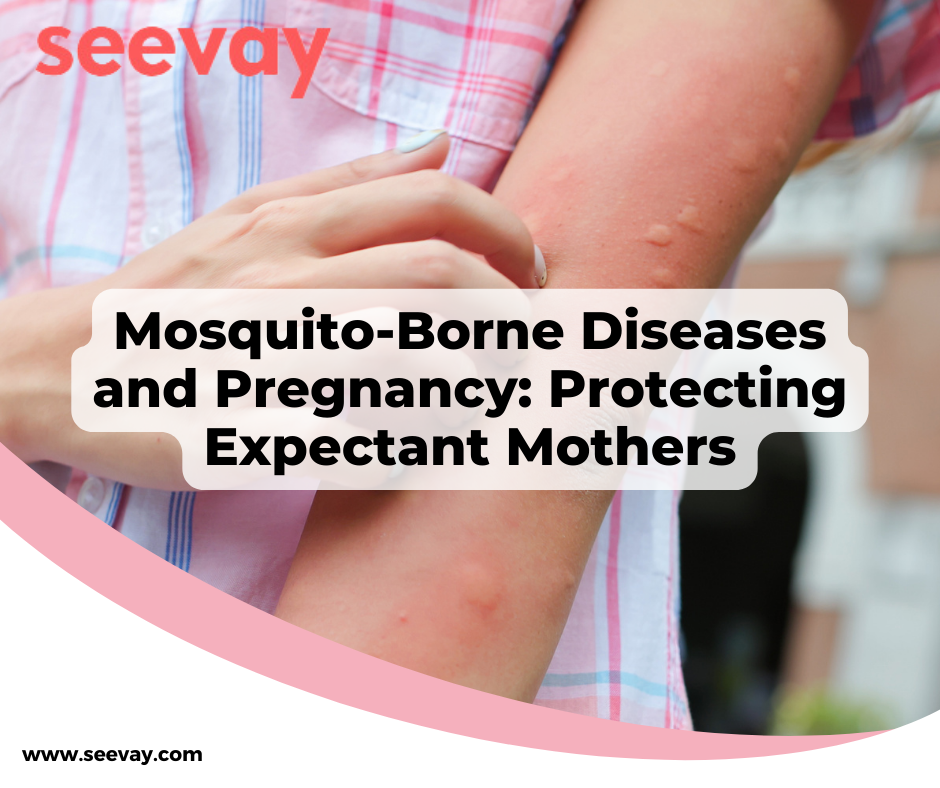
Mosquito-Borne Diseases and Pregnancy: Protecting Expectant Mothers

Mosquito Borne Diseases and Pregnancy Protecting Expectant Mothers

Mosquito-Borne Diseases and Pregnancy: A Comprehensive Guide to Protecting Expectant Mothers

In the journey of pregnancy, expectant mothers face numerous challenges and considerations. Among these, the threat of mosquito-borne diseases stands out as a significant concern, especially in certain regions of the world. At Seevay, we’re dedicated to providing cutting-edge anti-harmful mosquito solutions, and we believe that knowledge is power. That’s why we’ve created this comprehensive guide to help you understand and protect against the risks of mosquito-borne diseases during pregnancy.

Table of Contents

  1. Introduction: The Hidden Danger of Tiny Wings
  2. Understanding Mosquito-Borne Diseases
  3. The Impact on Pregnancy
  4. Safe Repellent Options for Pregnant Women
  5. Beyond Repellents: Comprehensive Protection Strategies
  6. Prenatal Care in Endemic Areas
  7. Travel Considerations for Pregnant Women
  8. Recognizing Symptoms and Seeking Help
  9. Treatment Options During Pregnancy
  10. Long-term Effects and Follow-up Care
  11. Community-Based Prevention Strategies
  12. Expert Insights
  13. Conclusion: Empowering Expectant Mothers

Introduction: The Hidden Danger of Tiny Wings

Pregnancy is a time of joy, anticipation, and careful preparation. As expectant mothers nurture the new life growing within them, they must also navigate a world of potential risks and challenges. Among these, mosquito-borne diseases pose a unique and often underestimated threat.

These tiny insects, barely noticeable in their approach, can carry diseases capable of causing severe complications for both mother and child. As global travel becomes more common and climate change alters mosquito habitats, the risk of exposure to these diseases is increasing worldwide, even in areas previously considered low-risk.

Understanding these risks is not about inducing fear, but about empowering expectant mothers with knowledge and tools to protect themselves and their unborn children. In this comprehensive guide, we’ll explore the major mosquito-borne diseases that pose risks during pregnancy, delve into prevention strategies, and provide expert advice on managing these risks effectively.

Understanding Mosquito-Borne Diseases

Before we dive into prevention strategies, it’s crucial to understand the primary mosquito-borne diseases that pose risks during pregnancy. Each of these diseases is transmitted by specific types of mosquitoes and can have varying impacts on maternal and fetal health.

Zika Virus

Transmission: Primarily by Aedes mosquitoes, also through sexual transmission and from mother to fetus Geographic Distribution: Tropical and subtropical regions, particularly in the Americas, Africa, and Southeast Asia

The Zika virus gained global attention in 2015-2016 due to its association with severe birth defects. Its impact on pregnancy is particularly concerning due to the potential for congenital Zika syndrome.

Risks to the fetus:

  • Microcephaly (smaller than normal head size)
  • Brain abnormalities and developmental delays
  • Eye defects, including vision problems
  • Hearing loss
  • Limb contractures (joints with limited range of motion)

Risks to the mother:

  • Usually mild symptoms, including fever, rash, joint pain, and conjunctivitis
  • Rare cases of Guillain-Barré syndrome, an autoimmune disorder affecting the nervous system

Key Facts:

  • Zika can be transmitted from a pregnant woman to her fetus throughout pregnancy
  • Not all babies born to mothers infected with Zika will have problems
  • There is no vaccine or specific treatment for Zika virus infection

Dengue Fever

Transmission: Aedes mosquitoes, primarily Aedes aegypti Geographic Distribution: Widespread in tropical and subtropical regions worldwide

Dengue is a viral infection that can be particularly dangerous during pregnancy due to the increased risk of severe complications.

Risks to the fetus:

  • Preterm birth
  • Low birth weight
  • Stillbirth
  • Vertical transmission (mother-to-child), though rare

Risks to the mother:

  • Severe dengue (dengue hemorrhagic fever)
  • Increased risk of maternal death
  • Postpartum hemorrhage
  • Miscarriage

Key Facts:

  • Dengue can be more severe in pregnant women, especially near term
  • Prior dengue infection can increase the risk of severe dengue in subsequent infections
  • There is a vaccine available for dengue, but it’s not recommended for pregnant women

Malaria

Transmission: Anopheles mosquitoes Geographic Distribution: Primarily in tropical and subtropical regions, with high prevalence in sub-Saharan Africa

Caused by Plasmodium parasites, malaria in pregnancy can lead to severe complications for both mother and child.

Risks to the fetus:

  • Intrauterine growth restriction
  • Preterm delivery
  • Low birth weight
  • Congenital malaria
  • Stillbirth

Risks to the mother:

  • Severe anemia
  • Pulmonary edema
  • Hypoglycemia
  • Increased risk of maternal death

Key Facts:

  • Pregnant women are more susceptible to malaria and its severe forms
  • Preventive treatment is recommended for pregnant women in high-transmission areas
  • Prompt diagnosis and treatment are crucial for reducing maternal and fetal complications

Chikungunya

Transmission: Aedes mosquitoes Geographic Distribution: Africa, Asia, and the Indian subcontinent, with recent spread to Europe and the Americas

While less common than some other mosquito-borne diseases, chikungunya can still pose significant risks during pregnancy.

Risks to the fetus:

  • Vertical transmission (mother-to-child) during the perinatal period
  • Neonatal encephalopathy
  • Potentially long-term neurological sequelae

Risks to the mother:

  • Severe joint pain that can persist for months or years
  • Increased risk of miscarriage in early pregnancy

Key Facts:

  • Chikungunya rarely causes severe complications in pregnant women
  • The risk of mother-to-child transmission is highest when the mother is infected close to delivery
  • There is no specific treatment for chikungunya, management focuses on symptom relief

West Nile Virus

Transmission: Primarily by Culex mosquitoes Geographic Distribution: Widely distributed in temperate and tropical regions worldwide

West Nile virus (WNV) can cause serious neurological complications, though its impact on pregnancy is less well-documented compared to other mosquito-borne diseases.

Risks to the fetus:

  • Possible congenital infection (rare)
  • Potential neurological abnormalities

Risks to the mother:

  • Neuroinvasive disease (meningitis, encephalitis) in severe cases
  • Long-term neurological sequelae in severe cases

Key Facts:

  • Most WNV infections in pregnant women do not result in fetal infection or adverse outcomes
  • There is no specific treatment for WNV infection
  • Prevention through mosquito control measures is key

The Impact on Pregnancy

The impact of mosquito-borne diseases on pregnancy extends beyond the immediate health risks. These diseases can have profound psychological effects on expectant mothers, causing anxiety and stress throughout the pregnancy. Moreover, the potential for long-term effects on child development adds another layer of concern.

For instance, children born with congenital Zika syndrome may face lifelong challenges, requiring ongoing medical care and support. Similarly, babies born to mothers who had malaria during pregnancy may be at higher risk for developmental delays and cognitive impairments.

The economic impact is also significant. Medical care for affected infants can be costly, and in some cases, one parent may need to leave work to provide full-time care. In regions where these diseases are endemic, the fear of infection can also impact prenatal care, with some women avoiding medical facilities out of concern for exposure.

It’s crucial to approach these impacts holistically, considering not just the immediate medical risks, but also the long-term social, psychological, and economic implications for families and communities.

Safe Repellent Options for Pregnant Women

One of the most effective ways to prevent mosquito-borne diseases is to avoid mosquito bites altogether. Insect repellents play a crucial role in this prevention strategy. However, pregnant women must be particularly cautious about the products they use. The good news is that several EPA-registered insect repellents are considered safe for use during pregnancy when used as directed.

DEET-based Repellents

  • Considered the gold standard for mosquito repellents
  • Safe for pregnant women in concentrations up to 30%
  • Provides long-lasting protection (up to 6 hours)
  • Should be applied to exposed skin and clothing, avoiding the face

Pros:

  • Highly effective against a wide range of mosquitoes
  • Long-lasting protection
  • Extensively studied for safety

Cons:

  • Strong odor
  • Can damage certain synthetic fabrics

Picaridin-based Repellents

  • Odorless and non-greasy alternative to DEET
  • Safe for pregnant women in concentrations up to 20%
  • Provides protection for 4-8 hours
  • Less likely to irritate skin compared to DEET

Pros:

  • No odor
  • Does not damage fabrics
  • Effective against a variety of insects

Cons:

  • May need more frequent reapplication than DEET

Oil of Lemon Eucalyptus (OLE)

  • Natural repellent derived from the lemon eucalyptus tree
  • Safe for pregnant women in concentrations up to 30%
  • Provides protection for up to 6 hours
  • Should not be used on children under 3 years old

Pros:

  • Natural product
  • Pleasant scent

Cons:

  • May need more frequent reapplication
  • Not as extensively studied as DEET

IR3535

  • Synthetic repellent similar to a naturally occurring amino acid
  • Safe for pregnant women in concentrations up to 20%
  • Provides protection for 4-8 hours
  • Often found in combination with sunscreens

Pros:

  • Low toxicity
  • Can be combined with sunscreen

Cons:

  • May be less effective against certain mosquito species

When using any repellent, pregnant women should follow these guidelines:

  1. Apply repellents only to exposed skin and clothing
  2. Do not apply under clothing
  3. Avoid applying to cuts, wounds, or irritated skin
  4. Wash treated skin with soap and water after returning indoors
  5. Do not spray repellents in enclosed areas
  6. Do not apply repellents near food

Remember, while these repellents are considered safe when used as directed, it’s always a good idea to consult with your healthcare provider before using any new product during pregnancy.

Beyond Repellents: Comprehensive Protection Strategies

While insect repellents are a crucial tool in preventing mosquito bites, they should be part of a broader protection strategy. Here are additional measures pregnant women can take to reduce their risk of exposure to mosquito-borne diseases:

1. Dress for Protection

  • Wear long-sleeved shirts and long pants
  • Choose light-colored clothing (mosquitoes are attracted to dark colors)
  • Consider treating clothing with permethrin (a repellent that bonds to fabric)

2. Create a Mosquito-Free Zone

  • Use window and door screens to keep mosquitoes out of your home
  • Sleep under mosquito nets, especially if you’re in an area without adequate screening
  • Use air conditioning when available, as mosquitoes prefer warm, humid environments

3. Eliminate Mosquito Breeding Sites

  • Remove standing water from around your home (e.g., in flower pots, bird baths, or discarded tires)
  • Keep gutters clean and free-flowing
  • Change water in pet dishes and birdbaths regularly

4. Time Your Outdoor Activities

  • Stay indoors during peak mosquito hours, typically dawn and dusk
  • If you must be outside during these times, take extra precautions with clothing and repellents

5. Use Mosquito Traps and Zappers

  • Consider using EPA-approved mosquito traps or zappers in outdoor areas
  • Place these devices away from areas where people gather to draw mosquitoes away

6. Natural Repellents for Your Environment

  • Plant mosquito-repelling plants like citronella grass, marigolds, or lavender around your home
  • Use citronella candles or torches when spending time outdoors

7. Stay Informed About Local Mosquito Activity

  • Check with local health departments for information about mosquito activity in your area
  • Be aware of any mosquito-borne disease outbreaks in your region

8. Maintain a Healthy Immune System

  • Eat a balanced diet rich in vitamins and minerals
  • Get adequate sleep and exercise (as approved by your healthcare provider)
  • Manage stress through relaxation techniques or prenatal yoga

By combining these strategies with the use of appropriate insect repellents, pregnant women can significantly reduce their risk of mosquito bites and the associated diseases.

Prenatal Care in Endemic Areas

For pregnant women living in or traveling to areas where mosquito-borne diseases are common, prenatal care takes on additional importance. Here’s what you need to know:

Regular Check-ups

  • Increase the frequency of prenatal visits as recommended by your healthcare provider
  • Discuss any concerns or symptoms promptly with your doctor

Enhanced Screening

  • Expect additional blood tests to screen for mosquito-borne diseases
  • More frequent ultrasounds may be recommended to monitor fetal development closely

Vaccination Considerations

  • While there are no vaccines specifically for pregnant women against most mosquito-borne diseases, discuss any available preventive measures with your doctor
  • Some vaccines may be recommended before pregnancy if you’re planning to travel to high-risk areas

Nutritional Support

  • Focus on a diet rich in iron and folic acid to support maternal and fetal health
  • Discuss any necessary supplements with your healthcare provider

Mental Health Support

  • Address any anxiety or stress related to the risk of mosquito-borne diseases
  • Consider joining support groups for pregnant women in your area

Education and Awareness

  • Attend classes or workshops on protecting against mosquito-borne diseases during pregnancy
  • Stay informed about the latest recommendations and guidelines

Remember, your healthcare provider is your best resource for personalized advice based on your specific situation and risk factors.

Travel Considerations for Pregnant Women

Travel during pregnancy requires careful planning, especially when it comes to the risk of mosquito-borne diseases. Here are some key considerations:

Before You Travel

  1. Consult Your Healthcare Provider
    • Discuss your travel plans well in advance
    • Get advice on vaccinations and preventive medications
    • Obtain any necessary documentation for travel
  2. Research Your Destination
    • Check the CDC or WHO websites for current health advisories
    • Be aware of the prevalent mosquito-borne diseases in your destination
  3. Consider Travel Insurance
    • Look for policies that cover pregnancy-related issues
    • Ensure coverage for medical evacuation if necessary
  4. Pack Appropriately
    • Bring enough insect repellent for your entire trip
    • Pack light-colored, long-sleeved clothing
    • Include a mosquito net if you’re traveling to high-risk areas

During Your Trip

  1. Choose Accommodations Wisely
    • Opt for places with air conditioning and proper window screens
    • If these aren’t available, use a mosquito net while sleeping
  2. Be Vigilant About Protection
    • Use insect repellent consistently
    • Wear protective clothing, especially during peak mosquito hours
  3. Stay Hydrated and Rest
    • Drink plenty of water to prevent dehydration
    • Get adequate rest to maintain your immune system
  4. Avoid High-Risk Areas
    • Stay away from stagnant water bodies
    • Be cautious in rural or forested areas known for high mosquito populations

After Your Return

  1. Monitor Your Health
    • Watch for any symptoms of mosquito-borne diseases
    • Report any unusual symptoms to your healthcare provider immediately
    • Be prepared to inform your doctor about your recent travel history
  2. Follow Up with Your Healthcare Provider
    • Schedule a post-travel check-up, even if you feel well
    • Discuss any concerns or potential exposures during your trip
  3. Continue Protective Measures
    • Use insect repellent for a period after returning home, as recommended by your doctor
    • This is especially important if you’ve traveled to an area with active disease transmission

Recognizing Symptoms and Seeking Help

Early recognition of symptoms is crucial for managing mosquito-borne diseases effectively. While symptoms can vary depending on the specific disease, here are some general signs to watch for:

Common Symptoms

  • Fever
  • Rash
  • Joint pain or muscle pain
  • Headache
  • Fatigue
  • Nausea or vomiting
  • Eye pain or redness

Disease-Specific Symptoms

  1. Zika Virus
    • Often mild or no symptoms
    • Possible conjunctivitis (red eyes)
  2. Dengue Fever
    • High fever (40°C/104°F)
    • Severe headache
    • Pain behind the eyes
    • Severe joint and muscle pain
  3. Malaria
    • Cycles of fever, chills, and sweating
    • Fatigue and body aches
  4. Chikungunya
    • Sudden onset of fever
    • Severe joint pain, often in hands and feet
  5. West Nile Virus
    • Most people (80%) show no symptoms
    • Some may develop encephalitis or meningitis

When to Seek Medical Help

Pregnant women should seek immediate medical attention if they experience:

  • Any of the above symptoms, especially after traveling to an area with known mosquito-borne diseases
  • Severe abdominal pain
  • Persistent vomiting
  • Signs of dehydration
  • Vaginal bleeding or spotting
  • Decreased fetal movement

Remember, early diagnosis and treatment can significantly improve outcomes for both mother and baby.

Treatment Options During Pregnancy

Treatment for mosquito-borne diseases during pregnancy requires a delicate balance between managing the infection and ensuring the safety of the developing fetus. Here’s an overview of treatment approaches for various diseases:

General Principles

  • Treatment is often supportive, focusing on managing symptoms
  • Some medications safe for non-pregnant individuals may be contraindicated during pregnancy
  • Close monitoring of both maternal and fetal health is essential

Disease-Specific Treatments

  1. Zika Virus
    • No specific antiviral treatment available
    • Focus on rest, hydration, and acetaminophen for fever and pain
    • Avoid aspirin and other non-steroidal anti-inflammatory drugs (NSAIDs)
  2. Dengue Fever
    • Primarily supportive care
    • Careful fluid management to prevent dehydration
    • Close monitoring for signs of severe dengue
  3. Malaria
    • Antimalarial drugs are prescribed based on the type of malaria and trimester of pregnancy
    • Common options include chloroquine, quinine, and artemisinin-based combination therapies
    • Treatment should be started immediately upon diagnosis
  4. Chikungunya
    • No specific antiviral treatment
    • Management focuses on pain relief and hydration
    • Acetaminophen is preferred for pain and fever
  5. West Nile Virus
    • No specific treatment; supportive care is the mainstay
    • Severe cases may require hospitalization for supportive treatment

Considerations for Medication Use

  • Always consult with a healthcare provider before taking any medication during pregnancy
  • Some treatments may pose risks to the developing fetus and must be carefully weighed against the benefits
  • In some cases, the risks of untreated disease may outweigh the potential risks of treatment

Long-term Effects and Follow-up Care

The impact of mosquito-borne diseases during pregnancy can extend well beyond the initial infection. Long-term follow-up care is crucial for both mother and child.

For the Mother

  • Regular check-ups to monitor for any lingering effects of the disease
  • Mental health support to address any anxiety or depression related to the infection and its potential impacts
  • Guidance on family planning and future pregnancies

For the Child

  • Regular developmental assessments, especially for children exposed to Zika virus
  • Hearing and vision tests
  • Neurological examinations
  • Early intervention services if developmental delays are identified

Long-term Effects by Disease

  1. Zika Virus
    • Children may experience developmental delays, cognitive impairments, or physical disabilities
    • Regular monitoring for emerging symptoms as the child grows
  2. Dengue Fever
    • Generally no long-term effects for the child if managed properly during pregnancy
    • Mother may experience fatigue for several weeks after recovery
  3. Malaria
    • Children born to mothers who had malaria during pregnancy may have a higher risk of anemia and developmental delays
    • Regular health check-ups and nutritional support may be necessary
  4. Chikungunya
    • Most children born to infected mothers do not experience long-term effects
    • In rare cases, neurological complications may occur if transmitted near delivery
  5. West Nile Virus
    • Long-term effects are rare but may include cognitive or neurological issues if the infection was severe

Community-Based Prevention Strategies

Preventing mosquito-borne diseases requires a community-wide effort. Here are some strategies that communities can implement:

  1. Public Education Campaigns
    • Raise awareness about mosquito-borne diseases and prevention methods
    • Provide information in multiple languages to reach diverse populations
  2. Vector Control Programs
    • Implement regular mosquito surveillance and control measures
    • Use environmentally friendly larvicides in standing water bodies
  3. Community Clean-up Initiatives
    • Organize regular clean-up drives to eliminate mosquito breeding sites
    • Encourage proper waste management to reduce standing water
  4. Healthcare System Preparedness
    • Train healthcare providers in the diagnosis and management of mosquito-borne diseases
    • Ensure adequate supplies of diagnostic tests and treatments
  5. Support for Vulnerable Populations
    • Provide free or subsidized insect repellents and bed nets to pregnant women and low-income families
    • Offer home inspections and mosquito control services for at-risk individuals
  6. Urban Planning and Infrastructure
    • Improve drainage systems to reduce standing water
    • Incorporate mosquito control considerations in urban development plans
  7. Research and Surveillance
    • Support local research on mosquito populations and disease transmission
    • Implement early warning systems for disease outbreaks

Expert Insights

To provide a well-rounded perspective on this critical issue, we’ve gathered insights from leading experts in the field:

Dr. Maria Rodriguez, Obstetrician-Gynecologist: “Pregnant women should not panic about mosquito-borne diseases, but they should be vigilant. Regular prenatal care, consistent use of preventive measures, and prompt reporting of any symptoms are key to managing these risks effectively.”

Dr. James Lee, Tropical Medicine Specialist: “The global distribution of mosquito-borne diseases is changing due to climate change and increased travel. It’s crucial for healthcare providers and patients to stay informed about emerging risks in their regions.”

Dr. Sarah Thompson, Pediatric Neurologist: “For children exposed to mosquito-borne diseases in utero, early intervention is crucial. Regular developmental assessments can help identify and address any issues promptly.”

Professor Robert Chen, Entomologist: “Community-based mosquito control programs are our best defense against these diseases. By reducing mosquito populations, we can significantly decrease the risk of transmission.”

Conclusion: Empowering Expectant Mothers

Mosquito-borne diseases present a significant challenge for pregnant women, but with the right knowledge and precautions, these risks can be effectively managed. By understanding the diseases, implementing comprehensive prevention strategies, and seeking prompt medical care when needed, expectant mothers can protect themselves and their unborn children.

Remember, you’re not alone in this journey. Healthcare providers, public health officials, and companies like Seevay are working tirelessly to develop better prevention methods and treatments. Stay informed, stay protected, and focus on the joy of your pregnancy.

At Seevay, we’re committed to supporting expectant mothers with cutting-edge anti-harmful mosquito solutions. Our products are designed with the safety of pregnant women and their babies in mind, providing effective protection without compromise.

For more information on our products and how we can help protect you and your family from mosquito-borne diseases, visit our website or contact our customer service team. Together, we can create a safer environment for mothers and babies everywhere.


This comprehensive guide is proudly produced by seevay.com, your trusted brand for anti-harmful mosquito solutions. We believe in empowering our customers with knowledge and effective products to protect against mosquito-borne diseases.

Posted on

Mosquito Repellents for Travel: Navigating International Regulations and Effectiveness

Mosquito Repellents for Travel: Navigating International Regulations and Effectiveness

When embarking on international travel, protecting yourself from mosquito-borne diseases is crucial. However, choosing and using the right mosquito repellent can be challenging due to varying regulations and product availability across different countries. This guide will help you navigate these complexities and ensure effective protection during your travels.

Understanding International Regulations

1. DEET Restrictions:
– While widely used in the US, DEET is restricted or banned in some countries.
– European Union: Limits DEET concentration to 50% or less.
– Canada: Allows up to 30% DEET concentration.

2. Natural Repellents:
– Some countries favor natural alternatives like citronella or eucalyptus oil.
– Australia: Encourages use of plant-based repellents.

3. Aerosol Restrictions:
– Many airlines restrict aerosol repellents in carry-on luggage.
– Some countries have environmental regulations limiting aerosol use.

Choosing Effective Repellents

1. DEET-based products:
– Highly effective against a wide range of mosquitoes.
– Look for concentrations between 20-30% for balanced protection and safety.

2. Picaridin:
– Odorless and non-greasy alternative to DEET.
– Effective against mosquitoes and ticks.

3. IR3535:
– Common in Europe, less so in North America.
– Provides good protection with fewer side effects than DEET.

4. Natural options:
– Oil of Lemon Eucalyptus (OLE): EPA-approved natural repellent.
– Citronella: Short-lasting but widely available globally.

Maintaining Protection During Long Trips

1. Reapplication:
– Follow product instructions for reapplication, typically every 4-8 hours.
– Reapply more frequently in humid climates or after swimming.

2. Combination Approach:
– Use repellents alongside protective clothing and mosquito nets.
– Consider permethrin-treated clothing for extended outdoor activities.

3. Climate Considerations:
– Tropical climates: Opt for higher concentration repellents.
– Dry climates: Lower concentrations may suffice but reapply frequently if sweating.

Expert Recommendations

Dr. Jane Smith, Travel Medicine Specialist:
“For areas with high risk of mosquito-borne diseases, I recommend using a 20-30% DEET product or a 20% Picaridin repellent. Always carry a backup option in case your primary repellent is lost or confiscated.”

Dr. John Doe, Tropical Disease Researcher:
“Don’t underestimate the power of physical barriers. Use bed nets treated with permethrin and wear long-sleeved clothing in high-risk areas, especially during dawn and dusk.”

Conclusion

Choosing the right mosquito repellent for international travel requires careful consideration of regulations, effectiveness, and personal preferences. By understanding the options available and following expert advice, you can ensure comprehensive protection against mosquito-borne diseases during your travels.

References:
1. World Health Organization. (2021). Vector-borne diseases.
2. Centers for Disease Control and Prevention. (2020). Mosquito Bite Prevention for Travelers.
3. European Chemicals Agency. (2019). Regulations on biocidal products.

This content is proudly produced by seevay.com, a brand focusing on anti-harmful mosquito solutions.