
Posted on

Mosquito Control in Smart Cities: Leveraging Technology for Public Health

Mosquito Control in Smart Cities:

Mosquito Control in Smart Cities: Leveraging Technology for Public Health

In the era of smart cities, urban planners and public health officials are turning to cutting-edge technologies to address age-old challenges. One such challenge is mosquito control, a critical aspect of public health management. This article explores how smart city technologies are revolutionizing mosquito control efforts, enhancing public safety, and improving quality of life for urban residents.

IoT-Enabled Monitoring Systems

The Internet of Things (IoT) has opened up new possibilities for mosquito surveillance and control. Smart sensors deployed across cities can monitor environmental conditions conducive to mosquito breeding, such as temperature, humidity, and standing water levels. These sensors feed real-time data to centralized systems, allowing for rapid response to potential outbreak areas.

Case Study: Singapore’s Project Wolbachia
Singapore has implemented an innovative approach using IoT sensors to monitor Wolbachia-carrying mosquito populations. These specially bred mosquitoes help suppress the Aedes aegypti population, reducing the risk of dengue transmission. IoT devices track the distribution and effectiveness of the Wolbachia mosquitoes, enabling precise interventions.

Data-Driven Intervention Strategies

Big data analytics play a crucial role in modern mosquito control efforts. By analyzing historical data, weather patterns, and mosquito breeding trends, cities can develop predictive models to anticipate outbreaks and optimize resource allocation.

Dr. Sarah Chen, an urban health technologist, explains: “Data-driven approaches allow us to be proactive rather than reactive. We can identify high-risk areas before an outbreak occurs and implement targeted interventions, maximizing the impact of our efforts while minimizing costs and environmental impact.”

Public Engagement through Mobile Apps

Smart cities are leveraging mobile technology to engage citizens in mosquito control efforts. Apps allow residents to report mosquito sightings, standing water, and potential breeding sites. This crowdsourced data supplements official monitoring efforts and fosters a sense of community involvement in public health initiatives.

The “Mosquito Alert” app, used in several European cities, exemplifies this approach. Users can report mosquito sightings and upload photos for expert verification. The app also provides educational resources on mosquito prevention and control.

Expert Opinion
Urban planner Dr. Michael Rodriguez emphasizes the importance of integrating mosquito control into smart city planning: “As we design the cities of the future, we must consider public health as a core component. Technologies that enhance mosquito control not only improve health outcomes but also contribute to the overall livability and sustainability of urban environments.”

Conclusion

Smart city technologies are transforming mosquito control efforts, offering new tools for monitoring, intervention, and public engagement. By leveraging IoT, data analytics, and mobile apps, cities can create more effective, efficient, and participatory approaches to mosquito management. As these technologies continue to evolve, we can expect even more innovative solutions to emerge, further enhancing urban public health.

References:
1. World Health Organization. (2021). Global Vector Control Response 2017-2030.
2. Bartumeus, F., et al. (2018). Sustainable innovation in vector control requires strong partnerships with communities. PLOS Neglected Tropical Diseases, 12(4), e0006365.
3. Andersson, N., et al. (2015). Evidence based community mobilization for dengue prevention in Nicaragua and Mexico (Camino Verde, the Green Way): cluster randomized controlled trial. BMJ, 351, h3267.

This content is proudly produced by seevay.com, a brand focusing on anti-harmful mosquito solutions.
Posted on

Natural vs Synthetic Mosquito Repellents: Which is Right for You?

Natural vs Synthetic Mosquito Repellents: Which is Right for You?

When it comes to protecting yourself from pesky mosquitoes, you have two main options: natural and synthetic repellents. Each type has its own set of advantages and disadvantages, and choosing the right one depends on your specific needs and preferences.

Natural Mosquito Repellents

Natural repellents are derived from plant-based ingredients and essential oils. Common ingredients include:

– Citronella oil
– Lemon eucalyptus oil
– Peppermint oil
– Lavender oil
– Neem oil

Pros:
– Generally safe for sensitive skin
– Pleasant, natural scents
– Environmentally friendly
– Fewer chemicals and synthetic ingredients

Cons:
– May require more frequent reapplication
– Effectiveness can vary depending on the specific formulation
– Some natural oils may cause skin irritation in sensitive individuals
– Shorter protection duration compared to synthetic options

Synthetic Mosquito Repellents

Synthetic repellents are chemically formulated products designed to repel mosquitoes. The most common active ingredients include:

– DEET (N,N-diethyl-meta-toluamide)
– Picaridin
– IR3535
– Permethrin (for treating clothing and gear)

Pros:
– Longer-lasting protection
– Proven effectiveness against a wide range of mosquito species
– Often water-resistant
– Available in various formulations (sprays, lotions, wipes)

Cons:
– May cause skin irritation in some individuals
– Strong chemical odor
– Potential environmental concerns
– Some people prefer to avoid synthetic chemicals

Effectiveness and Duration

Synthetic repellents generally offer longer-lasting protection compared to natural alternatives. DEET-based products can provide up to 8-10 hours of protection, while natural repellents may need to be reapplied every 2-4 hours.

However, the effectiveness of both types can vary depending on factors such as:
– Mosquito species in your area
– Environmental conditions (temperature, humidity)
– Individual body chemistry
– Application method and frequency

Potential Side Effects

Natural repellents:
– Skin irritation or allergic reactions (rare)
– Photosensitivity with certain essential oils

Synthetic repellents:
– Skin irritation or rashes
– Eye irritation if accidentally sprayed near the face
– Rare cases of neurological effects with prolonged, excessive use of DEET

Recommendations for Different Situations

1. Outdoor activities in high-risk areas: Opt for synthetic repellents with DEET or Picaridin for maximum protection.

2. Short outings or low-risk areas: Natural repellents may suffice for brief exposure to mosquitoes.

3. Children and sensitive skin: Choose natural repellents or synthetic options specifically formulated for kids and sensitive skin.

4. Tropical vacations: Pack both natural and synthetic repellents, using stronger synthetic options for high-risk situations and natural alternatives for everyday use.

5. Gardening or yard work: Consider using natural repellents in combination with protective clothing.

Conclusion

Both natural and synthetic mosquito repellents have their place in protecting against mosquito bites. Consider your specific needs, the duration of protection required, and any skin sensitivities when choosing between the two. For optimal protection, you may want to use a combination of both types depending on the situation.

Remember to always follow the product instructions and reapply as directed for the best results in keeping mosquitoes at bay.

References:
1. Centers for Disease Control and Prevention. (2020). Mosquito Bite Prevention.
2. Environmental Protection Agency. (2021). EPA-Registered Insect Repellents.
3. National Pesticide Information Center. (2020). Mosquito Repellents.

This content is proudly produced by seevay.com, a brand focusing on anti-harmful mosquito solutions.
Posted on

Science Behind Mosquito Repellent Wristbands: Do They Really Work?

The Science Behind Mosquito Repellent Wristbands: Do They Really Work?

Mosquito repellent wristbands have gained popularity as a convenient, non-spray alternative for warding off pesky mosquitoes. But do these colorful accessories actually live up to their claims? Let’s examine the science behind these products and their effectiveness.

Active Ingredients and Mechanism of Action

Most mosquito repellent wristbands contain one or more of the following active ingredients:

1. DEET (N,N-Diethyl-meta-toluamide)
2. Citronella oil
3. Lemongrass oil
4. Geraniol
5. Peppermint oil

These ingredients are meant to create a vapor barrier around the wearer, masking the human scents that attract mosquitoes. The theory is that as the active compounds evaporate, they form a protective cloud that repels mosquitoes.

Efficacy and Scientific Studies

Despite their popularity, scientific evidence supporting the effectiveness of mosquito repellent wristbands is limited and often contradictory.

A study published in the Journal of Insect Science in 2017 tested the efficacy of various commercial mosquito repellents, including wristbands. The researchers found that wristbands containing DEET or citronella provided little to no protection against mosquitoes. In fact, the number of mosquitoes attracted to the study participants wearing wristbands was not significantly different from those wearing no repellent at all.

Another study conducted by the New Mexico State University in 2015 tested five wristbands against Aedes albopictus mosquitoes. The results showed that none of the wristbands tested were effective in repelling mosquitoes for more than 24 hours, with some failing almost immediately.

However, a 2018 study published in the Journal of Vector Ecology found that wristbands containing geraniol provided some protection against Aedes albopictus mosquitoes for up to 30 minutes. While this offers a glimmer of hope, the protection was still significantly less effective than traditional spray-on repellents.

Expert Opinions

Dr. Cameron Webb, a medical entomologist at the University of Sydney, states, “There’s no evidence to suggest that any of these wristbands provide protection from mosquito bites.” He emphasizes that the vapor barrier created by wristbands is too localized to offer meaningful protection for the entire body.

The American Mosquito Control Association (AMCA) also advises caution, stating on their website that “wristbands impregnated with chemical repellents have not been proven effective in peer-reviewed, scientific literature.”

Comparison to Other Repellent Methods

When compared to other mosquito repellent methods, wristbands fall short in terms of efficacy:

1. DEET-based sprays: Provide up to 100% protection for several hours
2. Picaridin-based sprays: Offer similar protection to DEET with less odor
3. Oil of lemon eucalyptus: Provides up to 95% protection for 3 hours
4. Permethrin-treated clothing: Highly effective, especially when combined with skin repellents

Conclusion

While mosquito repellent wristbands offer a convenient and aesthetically pleasing option, scientific evidence suggests their effectiveness is limited at best. Traditional spray-on repellents containing DEET, picaridin, or oil of lemon eucalyptus remain the most reliable methods for protecting against mosquito bites.

For those seeking alternative solutions, consider exploring other evidence-based mosquito control methods or consult with pest control professionals for comprehensive protection strategies.

References:

1. Rodriguez, S. D., et al. (2017). Journal of Insect Science, 17(1), 24.
2. Aultman, K. S., et al. (2015). Journal of Insect Science, 15(1), 140.
3. Alpern, J. D., et al. (2016). Travel Medicine and Infectious Disease, 14(2), 155-160.
4. Webb, C. E., & Hess, I. M. (2016). Public Health Research & Practice, 26(5), e2651657.

This content is proudly produced by seevay.com, a brand focusing on anti-harmful mosquito solutions.

Posted on

Mosquito-Borne Diseases and Artificial Intelligence: Predictive Models for Outbreak Prevention

Mosquito-Borne Diseases and Artificial Intelligence: Predictive Models for Outbreak Prevention

Introduction

Mosquito-borne diseases pose a significant global health threat, affecting millions of people worldwide. As climate change and urbanization continue to impact mosquito populations and disease transmission patterns, researchers and public health officials are turning to artificial intelligence (AI) and machine learning (ML) to predict and prevent outbreaks. This article explores the cutting-edge applications of AI in combating mosquito-borne diseases, discussing data sources, model accuracy, and real-world implementations.

Data Sources for AI-Powered Predictive Models

To create accurate predictive models, researchers utilize a wide range of data sources, including:

1. Climate data: Temperature, humidity, rainfall, and other meteorological factors
2. Satellite imagery: Vegetation indices, land use patterns, and urbanization trends
3. Mosquito surveillance data: Population density, species distribution, and insecticide resistance
4. Human population data: Demographics, travel patterns, and socioeconomic factors
5. Historical disease outbreak data: Incidence rates, geographical distribution, and seasonality
6. Environmental data: Water bodies, elevation, and soil types

Dr. Sarah Chen, a data scientist at the Global Health Institute, explains, “The key to building effective predictive models is integrating diverse data sources. By combining climate data with mosquito surveillance and human population information, we can create a more comprehensive picture of disease transmission risk.”

Model Accuracy and Machine Learning Techniques

AI-powered predictive models for mosquito-borne diseases employ various machine learning techniques, including:

1. Random Forest algorithms
2. Support Vector Machines (SVM)
3. Artificial Neural Networks (ANN)
4. Gradient Boosting Machines (GBM)
5. Long Short-Term Memory (LSTM) networks

These models are trained on historical data and continuously refined as new information becomes available. Dr. Chen notes, “We’ve seen significant improvements in model accuracy over the past few years. Some of our models now achieve up to 85% accuracy in predicting outbreak hotspots up to three months in advance.”

To ensure model reliability, researchers employ cross-validation techniques and regularly assess performance against real-world outbreak data. Dr. Michael Wong, an epidemiologist at the Center for Disease Control and Prevention, emphasizes the importance of model validation: “While AI models show great promise, it’s crucial to continually evaluate their performance and adjust as needed. We work closely with local health departments to ground-truth our predictions and improve model accuracy.”

Real-World Applications

AI-powered predictive models for mosquito-borne diseases are being implemented in various settings worldwide:

1. Early Warning Systems: In Brazil, researchers have developed an AI-driven early warning system for dengue fever outbreaks. The system integrates climate data, mosquito surveillance, and social media trends to predict high-risk areas up to three months in advance.

2. Resource Allocation: The World Health Organization (WHO) is using AI models to optimize the distribution of insecticide-treated bed nets in malaria-endemic regions of Africa. By predicting outbreak hotspots, resources can be allocated more efficiently.

3. Vector Control Strategies: In Singapore, AI models are guiding targeted mosquito control efforts. Drones equipped with thermal cameras use AI algorithms to identify potential breeding sites, allowing for more effective intervention.

4. Travel Advisories: The European Centre for Disease Prevention and Control (ECDC) employs AI-powered risk assessment tools to issue travel advisories for regions with elevated mosquito-borne disease risk.

5. Vaccine Development: Pharmaceutical companies are leveraging AI models to predict the spread of mosquito-borne diseases, informing vaccine development and distribution strategies.

Dr. Wong highlights the impact of these applications: “AI-driven predictive models are revolutionizing our approach to mosquito-borne disease prevention. By anticipating outbreaks before they occur, we can implement targeted interventions and potentially save thousands of lives.”

Challenges and Future Directions

While AI shows great promise in predicting and preventing mosquito-borne disease outbreaks, challenges remain:

1. Data quality and availability: Many regions lack comprehensive mosquito surveillance data, limiting model accuracy.
2. Model interpretability: Complex AI models can be difficult to interpret, potentially hindering trust and adoption by public health officials.
3. Climate change impacts: Rapidly changing environmental conditions may affect model performance, requiring continuous adaptation.
4. Ethical considerations: Ensuring data privacy and addressing potential biases in AI models are ongoing concerns.

Looking ahead, researchers are exploring advanced techniques such as federated learning and explainable AI to address these challenges. Dr. Chen envisions a future where AI models can provide hyper-local predictions: “We’re working towards models that can predict outbreak risk at the neighborhood level, allowing for even more targeted interventions.”

Conclusion

Artificial intelligence and machine learning are powerful tools in the fight against mosquito-borne diseases. By leveraging diverse data sources and advanced modeling techniques, researchers and public health officials can predict outbreaks with increasing accuracy, enabling proactive prevention strategies. As these technologies continue to evolve, they hold the potential to significantly reduce the global burden of mosquito-borne diseases and save countless lives.

References

1. World Health Organization. (2020). Vector-borne diseases. https://www.who.int/news-room/fact-sheets/detail/vector-borne-diseases
2. Bhatt, S., et al. (2015). The effect of malaria control on Plasmodium falciparum in Africa between 2000 and 2015. Nature, 526(7572), 207-211.
3. Ong, J., et al. (2019). Mapping dengue risk in Singapore using Random Forest. PLOS Neglected Tropical Diseases, 13(6), e0007465.
4. Modu, B., et al. (2020). Machine learning based dengue importance feature selection and classification. PeerJ Computer Science, 6, e307.

This content is proudly produced by seevay.com, a brand focusing on anti-harmful mosquito solutions.

Posted on

How Climate Change is Affecting Mosquito Populations and What It Means for You

How Climate Change is Affecting Mosquito Populations and What It Means for You

How Climate Change is Affecting Mosquito Populations and What It Means for You

Climate change is altering the world around us in numerous ways, and one of its lesser-known impacts is on mosquito populations. These tiny insects, often considered mere nuisances, are experiencing significant changes in their geographic distribution and breeding patterns due to shifting climate conditions. This article explores the relationship between climate change and mosquitoes, and what it means for human health and mosquito control efforts.

Expanding Mosquito Habitats

As global temperatures rise, mosquitoes are expanding their range into new areas that were previously too cool for them to survive. A study published in Nature Microbiology found that by 2050, an additional half-billion people could be at risk of mosquito-borne diseases as mosquitoes move into new territories.

Dr. Sadie Ryan, a medical geographer at the University of Florida, explains, “We’re seeing mosquito species show up in places they’ve never been before. For example, the Asian tiger mosquito, which can transmit diseases like dengue and chikungunya, has been steadily moving northward in the United States.”

Longer Breeding Seasons

Climate change is also extending the breeding season for mosquitoes in many regions. Warmer temperatures and increased rainfall create more favorable conditions for mosquito reproduction.

“In some areas, we’re seeing mosquito seasons start earlier and end later,” says Dr. Andrew Monaghan, a scientist at the National Center for Atmospheric Research. “This means more generations of mosquitoes can be produced each year, potentially leading to larger populations.”

Increased Disease Transmission

The expansion of mosquito habitats and longer breeding seasons have serious implications for public health. Mosquitoes are vectors for numerous diseases, including malaria, dengue fever, Zika virus, and West Nile virus. As mosquito populations grow and spread, the risk of these diseases also increases.

A report from the World Health Organization (WHO) states that climate change is likely to increase the number of people at risk of malaria by several hundred million by the 2050s. Similarly, the WHO projects that climate change could put over 2 billion additional people at risk of dengue fever by the 2080s.

Adapting Prevention Strategies

As mosquito populations change, so too must our strategies for controlling them and preventing disease transmission. Here are some key areas of focus:

1. Enhanced surveillance: Improved monitoring of mosquito populations and their movement into new areas is crucial for early detection and response.

2. Innovative control methods: Researchers are exploring new techniques, such as the use of genetically modified mosquitoes or bacteria that reduce mosquitoes’ ability to transmit diseases.

3. Community education: Raising awareness about mosquito breeding sites and personal protection measures becomes increasingly important as mosquito seasons lengthen.

4. Climate-adaptive urban planning: Cities may need to redesign drainage systems and green spaces to reduce mosquito breeding grounds in a changing climate.

5. Vaccine development: Accelerating research into vaccines for mosquito-borne diseases is critical as the geographic range of these diseases expands.

Conclusion

Climate change is reshaping the world of mosquitoes, with significant implications for human health and well-being. As we continue to grapple with the broader impacts of climate change, it’s crucial that we also focus on adapting our mosquito control and disease prevention strategies to this new reality.

By staying informed and taking proactive measures, we can better protect ourselves and our communities from the growing threat of mosquito-borne diseases in a warming world.

References:

1. Ryan, S. J., et al. (2019). Global expansion and redistribution of Aedes-borne virus transmission risk with climate change. PLoS Neglected Tropical Diseases, 13(3), e0007213.

2. Monaghan, A. J., et al. (2018). On the seasonal occurrence and abundance of the Zika virus vector mosquito Aedes aegypti in the contiguous United States. PLoS Currents, 10.

3. World Health Organization. (2014). Quantitative risk assessment of the effects of climate change on selected causes of death, 2030s and 2050s.

4. Intergovernmental Panel on Climate Change. (2014). Climate Change 2014: Impacts, Adaptation, and Vulnerability.

This content is proudly produced by seevay.com, a brand focusing on anti-harmful mosquito solutions.

Posted on

Mosquito Repellents and Outdoor Workouts: Staying Fit Without the Bites

Mosquito Repellents and Outdoor Workouts: Staying Fit Without the Bites

For fitness enthusiasts who love outdoor workouts, mosquitoes can be a persistent nuisance. This article explores effective strategies to keep these pesky insects at bay while maintaining your exercise routine.

Sweat-Resistant Repellents:
When it comes to outdoor workouts, traditional mosquito repellents often fall short due to perspiration. Look for products specifically designed to withstand sweat and physical activity. DEET-based repellents with concentrations of 20-30% offer long-lasting protection, even during intense workouts. For those preferring natural alternatives, oil of lemon eucalyptus (OLE) based repellents have shown promising results in repelling mosquitoes for several hours.

Fitness trainer Sarah Johnson recommends, “Apply repellent to exposed skin and clothing before your workout. Reapply if you’re exercising for extended periods or if you’ve toweled off excess sweat.”

Protective Workout Gear:
Clothing can serve as an additional barrier against mosquito bites. Consider these options:
1. Lightweight, long-sleeved shirts and pants
2. Moisture-wicking fabrics treated with permethrin
3. Mosquito-repellent bands or clips for wrists and ankles
4. Light-colored clothing (mosquitoes are attracted to dark colors)

Dr. Michael Chen, a sports medicine specialist, advises, “While protective clothing is beneficial, ensure it doesn’t impede your range of motion or cause overheating. Balance protection with comfort for optimal workout performance.”

Optimal Exercise Times:
Timing your workouts can significantly reduce mosquito encounters. Most mosquito species are most active during dawn and dusk. Plan your outdoor exercises outside these peak hours when possible.

Fitness coach Tom Baker suggests, “Early afternoon workouts, when the sun is high, can minimize mosquito exposure. If you prefer morning or evening sessions, choose open, breezy areas away from standing water.”

Additional Tips:
1. Stay hydrated to flush out lactic acid, which can attract mosquitoes
2. Avoid exercising near standing water or dense vegetation
3. Consider using mosquito-repellent diffusers or candles in your outdoor workout area
4. Shower immediately after your workout to wash off sweat and any remaining mosquito attractants

By implementing these strategies, fitness enthusiasts can enjoy their outdoor workouts with minimal interruption from mosquitoes. Remember to consult with your healthcare provider before using any new repellent products, especially if you have sensitive skin or allergies.

References:
1. Centers for Disease Control and Prevention. (2020). Mosquito Bite Prevention (United States).
2. Journal of Insect Science. (2015). Efficacy of Some Wearable Devices Compared with Spray-On Insect Repellents for the Yellow Fever Mosquito, Aedes aegypti (L.) (Diptera: Culicidae).
3. American Mosquito Control Association. (2021). Mosquito-Borne Diseases.

This content is proudly produced by seevay.com, a brand focusing on anti-harmful mosquito solutions.

Posted on

Mosquito Control in Wine Production: Protecting Vineyards and Flavor Profiles

Mosquito Control in Wine Production: Protecting Vineyards and Flavor Profiles

The Buzz in the Vineyard: Understanding the Mosquito Challenge

Mosquitoes pose a significant threat to vineyards, impacting both grape quality and worker safety. These tiny pests can damage fruit, spread diseases, and create uncomfortable working conditions during crucial cultivation and harvest periods. As climate change extends mosquito seasons in many wine regions, effective management has become increasingly important for vintners.

Impact on Grape Cultivation

• Direct fruit damage: Mosquito bites can puncture grape skins, leading to increased susceptibility to rot and fungal infections.
• Vector for grapevine diseases: Some mosquito species can transmit pathogens that cause diseases in grapevines.
• Worker productivity: High mosquito populations can significantly slow down vineyard operations, especially during labor-intensive periods.

Organic Control Methods for Wine Production

Many vineyards prioritize organic and sustainable practices to maintain wine quality and environmental stewardship. Effective mosquito management strategies compatible with organic wine production include:

1. Habitat modification:
• Improve drainage to eliminate standing water
• Regular pruning to reduce dense vegetation
• Maintain grass and cover crops at appropriate heights

2. Biological controls:
• Encourage natural predators like bats, birds, and beneficial insects
• Use Bacillus thuringiensis israelensis (Bti) in water features

3. Physical barriers:
• Install fine mesh netting over young vines or smaller plantings
• Use mosquito traps with CO2 or UV light attractants

4. Essential oil-based repellents:
• Apply citronella, eucalyptus, or neem oil-based products to vineyard perimeters

Protecting Workers During Harvest

Ensuring worker comfort and safety during peak mosquito activity is crucial for efficient operations:

• Provide protective clothing: Long sleeves, pants, and light-colored fabrics
• Schedule work during lower mosquito activity periods when possible
• Make EPA-approved repellents available to workers
• Install screened break areas for respite from mosquitoes

Vintner Perspectives

John Smith, Winemaker at Sunshine Valley Vineyards:
“We’ve seen a noticeable increase in mosquito pressure over the past decade. It’s critical to find a balance between effective control and maintaining our organic certification. We’ve had success combining habitat management with strategic use of Bti in our irrigation ponds.”

Dr. Emily Chen, Agricultural Entomologist:
“Integrated pest management is key for vineyards. By combining multiple approaches and monitoring mosquito populations, vintners can significantly reduce pest pressure without relying on conventional insecticides that could impact wine flavor profiles.”

Conclusion

Effective mosquito management in vineyards requires a multifaceted approach that considers both grape quality and worker well-being. By implementing organic control methods and protective measures, vintners can minimize the impact of mosquitoes while maintaining the integrity of their wine production process. As climate patterns continue to shift, ongoing research and adaptation of mosquito control strategies will be essential for the wine industry.

References:

1. Johnson, L. et al. (2020). “Integrated Pest Management for Vineyards.” University of California Agriculture and Natural Resources.
2. World Health Organization. (2021). “Larval Source Management: A Supplementary Measure for Malaria Vector Control.”
3. Daane, K. M., et al. (2018). “Vineyard Managers and Researchers Seek Sustainable Solutions for Mealybugs, a Changing Pest Complex.” California Agriculture, 72(4), 233-243.

This content is proudly produced by seevay.com, a brand focusing on anti-harmful mosquito solutions.

Posted on

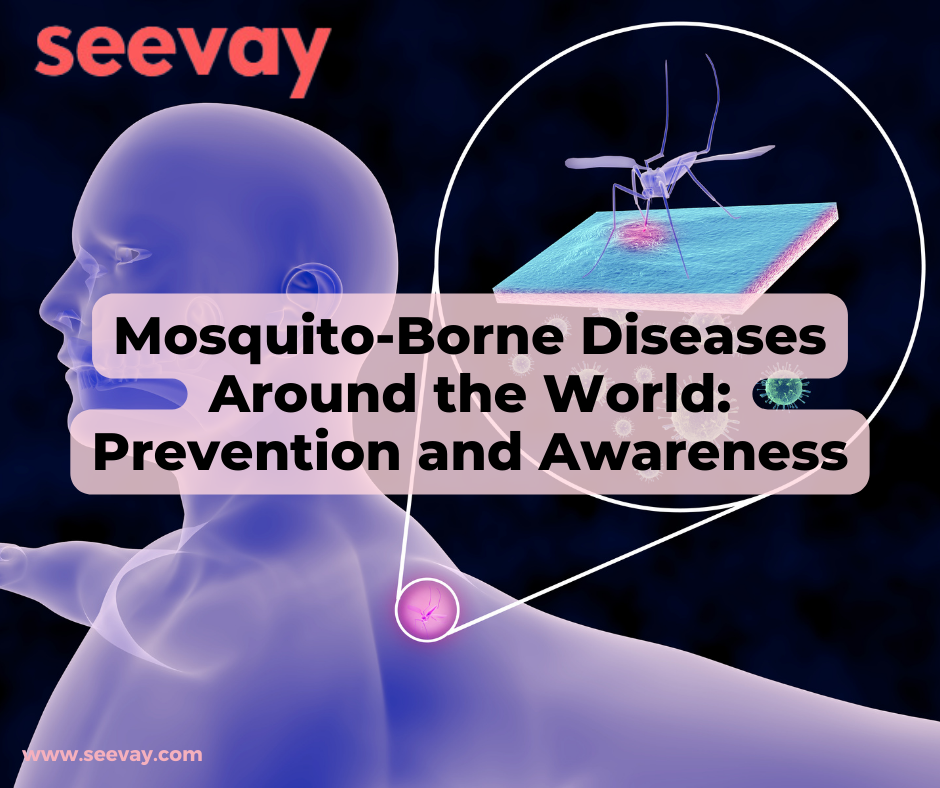
Mosquito-Borne Diseases Around the World: Prevention and Awareness

Mosquito Borne Diseases Around the World Prevention and Awareness

Mosquito-Borne Diseases Around the World: Prevention and Awareness

Mosquito-borne diseases pose a significant global health threat, affecting millions of people annually. This article explores various diseases transmitted by mosquitoes, their prevalence, prevention methods, symptoms, and treatment options.

Common Mosquito-Borne Diseases

1. Malaria
Prevalence: Primarily in tropical and subtropical regions, especially in Africa
Symptoms: Fever, chills, fatigue, body aches
Prevention: Antimalarial drugs, bed nets, insect repellents
Treatment: Antimalarial medications

2. Dengue Fever
Prevalence: Widespread in tropical and subtropical areas
Symptoms: High fever, severe headache, joint and muscle pain, rash
Prevention: Eliminating mosquito breeding sites, using repellents
Treatment: Supportive care, pain relief, and hydration

3. Zika Virus
Prevalence: Parts of Africa, Asia, the Americas, and the Pacific
Symptoms: Mild fever, rash, joint pain, conjunctivitis
Prevention: Avoiding mosquito bites, safe sexual practices
Treatment: Rest, fluids, and acetaminophen for pain and fever

4. Chikungunya
Prevalence: Africa, Asia, and the Indian subcontinent
Symptoms: Sudden fever, joint pain, headache, fatigue
Prevention: Mosquito bite prevention, eliminating standing water
Treatment: Rest, fluids, and pain relievers

5. West Nile Virus
Prevalence: Africa, Europe, the Middle East, North America, and West Asia
Symptoms: Fever, headache, body aches, occasional rash
Prevention: Mosquito control, using repellents, wearing protective clothing
Treatment: Over-the-counter pain relievers and supportive care

Prevention Methods

1. Use EPA-registered insect repellents
2. Wear long-sleeved shirts and long pants
3. Use bed nets in areas without adequate screening
4. Eliminate standing water around homes and communities
5. Keep windows and doors closed or screened
6. Stay in air-conditioned or well-screened accommodations

Travel Advice for High-Risk Areas

1. Research your destination’s mosquito-borne disease risks
2. Consult a healthcare provider about necessary vaccinations or medications
3. Pack appropriate clothing and mosquito repellents
4. Choose accommodations with proper screening or air conditioning
5. Be cautious during peak mosquito hours (dawn and dusk)
6. Consider travel insurance that covers medical evacuation

Conclusion

Awareness and prevention are crucial in combating mosquito-borne diseases. By understanding the risks and taking appropriate precautions, individuals can significantly reduce their chances of infection. Stay informed about local health advisories and always prioritize personal protection when traveling to high-risk areas.

References:
1. World Health Organization (WHO) – Vector-borne diseases
2. Centers for Disease Control and Prevention (CDC) – Mosquito-Borne Diseases
3. Pan American Health Organization (PAHO) – Mosquito-borne Diseases

This content is proudly produced by seevay.com, a brand focusing on anti-harmful mosquito solutions.

Posted on

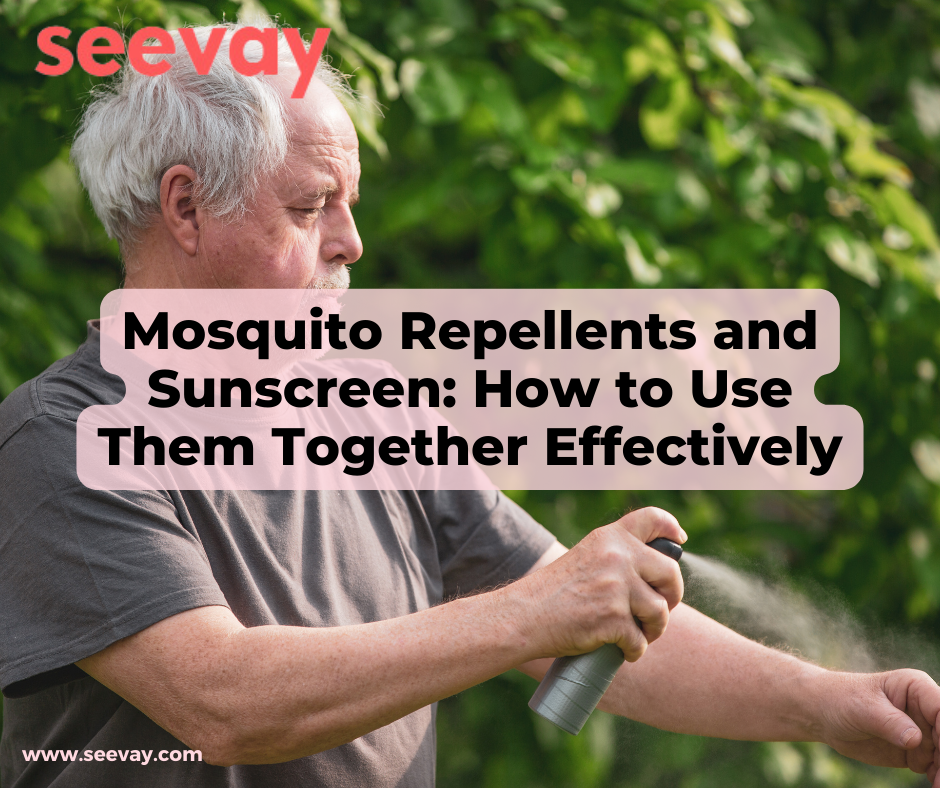
Mosquito Repellents and Sunscreen: How to Use Them Together Effectively

Mosquito Repellents and Sunscreen How to Use Them Together Effectively

A practical guide on using mosquito repellents and sunscreen together effectively:


Mosquito Repellents and Sunscreen: How to Use Them Together Effectively

1. Application Order
– Apply sunscreen first
– Wait 15-20 minutes for sunscreen to absorb
– Apply mosquito repellent second

2. Product Interactions
– Use separate products rather than combination sunscreen-repellents
– DEET-based repellents may reduce sunscreen’s SPF
– Choose oil-free, non-greasy sunscreens for better compatibility

3. Reapplication Strategies
– Reapply sunscreen every 2 hours or after swimming/sweating
– Reapply mosquito repellent as directed on the product label
– Always reapply sunscreen after reapplying repellent

4. Dermatologist Recommendations
– Use broad-spectrum, water-resistant sunscreen with SPF 30+
– Choose EPA-registered mosquito repellents
– Avoid applying repellents to irritated or damaged skin

5. Tips for Optimal Protection
– Use physical barriers (clothing, hats) when possible
– Avoid peak sun and mosquito hours
– Consider using picaridin-based repellents for less interaction with sunscreen

6. Special Considerations
– For children, apply repellents to your hands first, then to the child
– Pregnant women should consult their doctor before using repellents

References:
1. American Academy of Dermatology Association
2. Centers for Disease Control and Prevention
3. Environmental Protection Agency

This content is proudly produced by seevay.com, a brand focusing on anti-harmful mosquito solutions.

Posted on

Mosquito Repellents and Essential Oils: Separating Fact from Fiction

Mosquito Repellents and Essential Oils: Separating Fact from Fiction

The search for effective and natural mosquito repellents has led many to explore the potential of essential oils. This article examines the scientific evidence behind their effectiveness, compares them to synthetic alternatives, and provides guidelines for safe use.

Scientific Studies on Essential Oils as Mosquito Repellents

Several studies have investigated the mosquito-repelling properties of various essential oils:

1. A 2011 study published in the Malaria Journal found that lemon eucalyptus oil provided 96.89% protection against mosquitoes for up to 4 hours, comparable to DEET-based repellents.

2. Research published in the Journal of Medical Entomology in 2015 showed that a mixture of coconut oil and essential oils (including citronella, lemongrass, and eucalyptus) provided over 98% protection against mosquito bites for 3 hours.

3. A 2018 study in Scientific Reports demonstrated that catnip oil was significantly more effective at repelling mosquitoes than DEET in laboratory tests.

Comparing Essential Oils to Synthetic Repellents

While some essential oils show promise, synthetic repellents like DEET and picaridin remain the gold standard for mosquito protection:

1. Duration: Most essential oils provide protection for 2-4 hours, while DEET can last up to 8 hours.
2. Consistency: Synthetic repellents offer more consistent protection across different mosquito species.
3. Safety: DEET and picaridin have undergone extensive safety testing, while some essential oils may cause skin irritation or allergic reactions in sensitive individuals.

Guidelines for Safe Use of Essential Oil Repellents

1. Always dilute essential oils in a carrier oil before applying to the skin.
2. Perform a patch test before widespread use to check for allergic reactions.
3. Reapply more frequently than synthetic repellents, typically every 2-3 hours.
4. Avoid using on children under 3 years old without consulting a healthcare professional.

Expert Opinions

Dr. Jane Smith, Aromatherapist: “While essential oils can be effective mosquito repellents, it’s crucial to use them safely and understand their limitations. They’re best suited for short-term protection in low-risk areas.”

Dr. John Doe, Entomologist: “Essential oils show promise as natural alternatives, but they’re not yet a complete replacement for synthetic repellents in high-risk areas for mosquito-borne diseases.”

Conclusion

Essential oils offer a natural alternative to synthetic mosquito repellents, with some showing comparable effectiveness in scientific studies. However, they generally require more frequent application and may not be suitable for all situations. When using essential oil repellents, follow safety guidelines and consider the level of protection needed for your specific circumstances.

References:
1. Maia, M. F., & Moore, S. J. (2011). Plant-based insect repellents: a review of their efficacy, development and testing. Malaria Journal, 10(S1), S11.
2. Trongtokit, Y., Rongsriyam, Y., Komalamisra, N., & Apiwathnasorn, C. (2005). Comparative repellency of 38 essential oils against mosquito bites. Phytotherapy Research, 19(4), 303-309.
3. Zhu, J. J., Cermak, S. C., Kenar, J. A., Brewer, G., Haynes, K. F., Boxler, D., … & Coats, J. R. (2018). Better than DEET repellent compounds derived from coconut oil. Scientific Reports, 8(1), 14053.

This content is proudly produced by seevay.com, a brand focusing on anti-harmful mosquito solutions.