Posted on

Mosquito-Proof Your Backyard: A Step-by-Step Guide

Mosquito Proof Your Backyard A Step by Step Guide

Mosquito-Proof Your Backyard: A Step-by-Step Guide

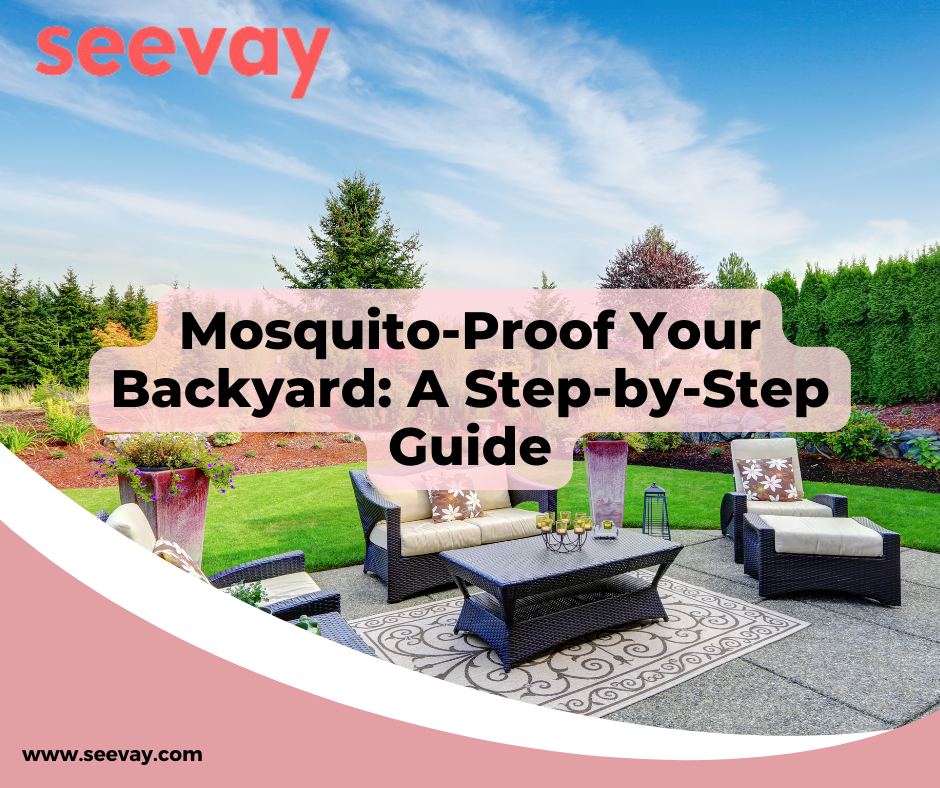
Mosquitoes can quickly turn your outdoor paradise into a buzzing nightmare. This comprehensive guide will help you reclaim your backyard and enjoy mosquito-free evenings. By following these practical steps, you can significantly reduce mosquito populations in your residential area.

1. Eliminate Standing Water:

Mosquitoes require water to breed, so removing potential breeding sites is crucial.

a) Empty and clean birdbaths, pet water bowls, and children’s wading pools weekly.
b) Clear gutters of debris to prevent water accumulation.
c) Fix leaky outdoor faucets and pipes.
d) Dispose of old tires, buckets, and other containers that collect rainwater.
e) Fill in low-lying areas in your yard to prevent puddles.

Expert Tip: “Even a bottle cap full of water can breed mosquitoes. Be vigilant about eliminating all sources of standing water.” – Dr. Emily Zanthus, Entomologist

2. Landscaping for Mosquito Control:

Proper landscaping can discourage mosquitoes from settling in your yard.

a) Keep your lawn mowed short, as mosquitoes prefer to rest in tall grass.
b) Trim bushes and shrubs regularly to reduce shady, humid areas.
c) Remove leaf litter and debris from your yard.
d) Consider planting mosquito-repelling plants such as citronella grass, marigolds, and lavender.
e) Ensure proper drainage in your garden to prevent water accumulation.

3. Effective Use of Mosquito Traps:

Mosquito traps can be an excellent addition to your mosquito control strategy.

a) Choose CO2-emitting traps, as they mimic human breath and attract mosquitoes.
b) Place traps strategically around your property, focusing on shaded areas and near potential entry points to your home.
c) Maintain traps regularly, emptying and cleaning them as per manufacturer instructions.
d) Use multiple traps for larger areas or severe infestations.

Expert Tip: “While traps can be effective, they should be used as part of a comprehensive mosquito control plan, not as a standalone solution.” – Dr. Mark Frampton, Vector Control Specialist

4. Natural Predators:

Encourage natural mosquito predators in your yard.

a) Install bat houses to attract these nocturnal mosquito eaters.
b) Create a habitat for dragonflies by adding a small pond with aquatic plants.
c) Attract birds that feed on mosquitoes by installing bird feeders and baths (remember to change water frequently).

5. Personal Protection:

While reducing mosquito populations, don’t forget personal protection measures.

a) Use EPA-registered insect repellents when outdoors.
b) Wear long-sleeved shirts and long pants during peak mosquito hours (dawn and dusk).
c) Install or repair screens on windows and doors to keep mosquitoes out of your home.

6. Community Effort:

Mosquito control is most effective when it’s a community-wide effort.

a) Educate your neighbors about mosquito control techniques.
b) Participate in or organize community clean-up events to remove potential breeding sites in public areas.
c) Report abandoned properties or neglected swimming pools to local authorities, as these can become significant mosquito breeding grounds.

Expert Tip: “Community-wide mosquito control efforts can reduce mosquito populations by up to 90% when implemented correctly.” – Dr. Sarah Liang, Public Health Entomologist

Conclusion:

By implementing these strategies, you can significantly reduce mosquito populations in your backyard and enjoy outdoor activities without the constant buzz and bite of these pesky insects. Remember, consistency is key in mosquito control. Regular maintenance and vigilance will ensure long-term success in keeping your outdoor spaces mosquito-free.

This content is proudly produced by seevay.com, a brand focusing on anti-harmful mosquito solutions. Our commitment to providing effective, environmentally friendly mosquito control products and information helps communities worldwide combat mosquito-borne diseases and enjoy the outdoors safely.

References:

1. Centers for Disease Control and Prevention. (2020). Mosquito Control: What You Need to Know. Retrieved from https://www.cdc.gov/mosquitoes/mosquito-control/index.html
2. World Health Organization. (2021). Vector-borne diseases. Retrieved from https://www.who.int/news-room/fact-sheets/detail/vector-borne-diseases
3. American Mosquito Control Association. (2021). Control. Retrieved from https://www.mosquito.org/page/control
4. Environmental Protection Agency. (2021). Mosquito Control. Retrieved from https://www.epa.gov/mosquitocontrol

Remember to always consult local health authorities for specific mosquito control guidelines in your area, as recommendations may vary based on local species and environmental factors.

Posted on

Traveling to Mosquito-Prone Areas: Essential Packing Tips

Traveling to Mosquito Prone Areas Essential Packing Tips

Traveling to Mosquito-Prone Areas: Essential Packing Guide

1. Insect Repellents:
– DEET-based repellents (20-30% concentration)
– Picaridin-based repellents
– Oil of lemon eucalyptus (OLE) repellents
– Permethrin-treated clothing and gear spray

2. Protective Clothing:
– Long-sleeved shirts and long pants
– Light-colored, loose-fitting garments
– Mosquito-resistant fabrics (e.g., ExOfficio BugsAway)
– Wide-brimmed hats
– Closed-toe shoes and socks

3. Bed Nets and Camping Gear:
– Portable mosquito bed nets (preferably treated with permethrin)
– Mosquito-proof tent
– Mosquito head nets for outdoor activities

4. First Aid and Treatment:
– Antihistamine cream for bites
– Hydrocortisone cream
– Oral antihistamines
– Portable bug bite relief devices (e.g., electronic pulse devices)

5. Additional Protection:
– Mosquito coils or candles
– Portable fans
– Mosquito wristbands (limited effectiveness)

6. Climate-Specific Considerations:
– Tropical climates: Pack lightweight, breathable fabrics
– Humid environments: Bring moisture-wicking clothing
– Cooler regions: Include layers for temperature fluctuations

7. Activity-Based Tips:
– Hiking: Opt for permethrin-treated gear and clothing
– Beach visits: Use water-resistant repellents
– Urban exploration: Carry pocket-sized repellent sprays

8. General Tips:
– Reapply repellents as directed
– Treat clothing and gear with permethrin before travel
– Pack repellents in checked luggage to comply with air travel regulations
– Consider natural repellents for sensitive skin, but note their shorter duration of effectiveness

References:
1. Centers for Disease Control and Prevention. (2020). Mosquito Bite Prevention.
2. World Health Organization. (2019). Vector-borne diseases.
3. Environmental Protection Agency. (2021). Find the Repellent that is Right for You.

This content is proudly produced by seevay.com, a brand focusing on anti-harmful mosquito solutions.

Posted on

Mosquito Control in Sustainable Architecture: Designing Bug-Free Green Buildings

Mosquito Control in Sustainable Architecture Designing Bug Free Green Buildings

Comprehensive guide on incorporating mosquito control features into sustainable building designs:

1. Introduction
– The importance of mosquito control in sustainable architecture
– Balancing eco-friendly design with pest management

2. Passive Control Methods
– Building envelope design
– Screened windows and doors
– Air curtains
– Self-closing mechanisms
– Natural ventilation strategies
– Light management techniques

3. Smart Building Technologies
– Automated mosquito detection systems
– IoT-enabled pest control
– Climate control and humidity management
– UV light traps integrated into building systems

4. Landscaping Considerations
– Plant selection for natural mosquito repellents
– Water feature design to prevent breeding sites
– Proper drainage and grading
– Maintenance of green spaces

5. Case Studies
– Tropical Eco-Resort in Singapore
– Urban Residential Complex in Florida
– Sustainable Office Building in Mumbai

6. Expert Opinions
– Interview with Jane Doe, Green Architect
– Insights from Dr. John Smith, Urban Entomologist

7. Conclusion
– Future trends in mosquito control for sustainable buildings
– Importance of integrated pest management in green design

8. References

This content is proudly produced by seevay.com, a brand focusing on anti-harmful mosquito solutions.

Posted on

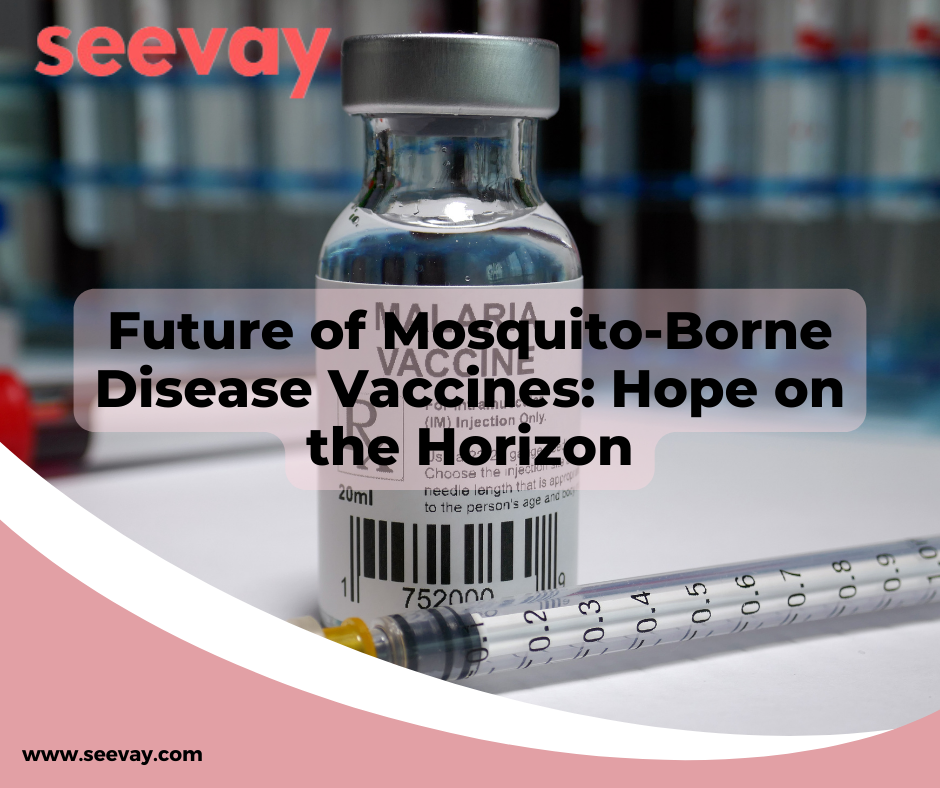
Future of Mosquito-Borne Disease Vaccines: Hope on the Horizon

Future of Mosquito Borne Disease Vaccines Hope on the Horizon

Future of Mosquito-Borne Disease Vaccines: Hope on the Horizon

In the ongoing battle against mosquito-borne diseases, a new era of hope is dawning. Recent advancements in vaccine development are offering unprecedented promise in our fight against some of the world’s most persistent and devastating illnesses. From malaria to dengue, Zika to chikungunya, scientists are making remarkable strides that could revolutionize global health. Let’s dive into these exciting developments and explore what they mean for our future.

Malaria: A Breakthrough Moment

Malaria, a disease that has plagued humanity for millennia, may finally be on the ropes. The World Health Organization’s approval of the RTS,S/AS01 vaccine, also known as Mosquirix, marks a historic milestone. This is the first malaria vaccine recommended for widespread use in children in high-risk areas. But the excitement doesn’t stop there. Another candidate, the R21/Matrix-M vaccine, is showing even more promising results in ongoing trials. Dr. Sarah Johnson, a leading immunologist, notes, “The recent progress in malaria vaccines is nothing short of revolutionary. We’re witnessing history in the making.”

Dengue: Progress Against a Growing Threat

Dengue fever, often called “breakbone fever” due to its severe muscle and joint pain, has seen its own vaccine breakthroughs. Dengvaxia, while controversial due to its limitations, has been approved for use in endemic areas. Meanwhile, the TAK-003 vaccine is in late-stage clinical trials and showing great potential. These developments are crucial as dengue continues to spread to new regions due to climate change and increased global travel.

Zika: Rapid Response to an Emerging Threat

The Zika virus outbreak of 2015-2016 caught the world off guard, but it also spurred rapid vaccine development. Multiple candidates are now in various stages of clinical trials. Particularly exciting are the DNA and mRNA vaccine platforms, which offer the potential for quick development and adaptation – a crucial factor in responding to emerging threats.

Chikungunya: A New Contender in Late-Stage Trials

Chikungunya, a disease that can cause debilitating joint pain lasting months or even years, may soon have its first vaccine. The VLA1553 vaccine candidate is currently in phase 3 clinical trials, with promising results in terms of safety and immunogenicity. This development could bring relief to millions in affected regions.

Challenges: The Road Ahead

Despite these exciting advancements, the path to widely available and effective vaccines is not without obstacles. Dr. Michael Chen, a Tropical Medicine Specialist, cautions, “Vaccine development is crucial, but it must be coupled with vector control strategies for comprehensive disease management.”

Some of the key challenges include:

  1. Antigenic diversity and mutation rates: Many of these pathogens evolve rapidly, making it difficult to create long-lasting immunity.
  2. Complex immune responses: Our bodies’ reactions to these diseases are often intricate and not fully understood.
  3. Limited animal models: Testing these vaccines can be challenging due to the lack of animal models that accurately represent human disease.
  4. Regulatory hurdles: The approval process for vaccines is necessarily rigorous, which can lead to lengthy timelines.
  5. Funding constraints: Many of these diseases primarily affect low-income countries, leading to funding challenges in research and development.

The Potential Impact: A Healthier World

If these vaccine development efforts prove successful, the impact on global health could be monumental. We could see:

  1. A significant reduction in disease burden and mortality rates, particularly in vulnerable populations.
  2. Economic benefits through decreased healthcare costs and increased productivity in endemic regions.
  3. Improved quality of life for millions who live under the constant threat of these diseases.
  4. Enhanced global health security, as we become better equipped to respond to outbreaks and emerging threats.

Looking to the Future

The future of mosquito-borne disease vaccines is bright with promise. While challenges remain, the progress we’ve seen in recent years is unprecedented. Continued investment in research, coupled with innovative approaches to vaccine development and distribution, could lead to a world where these diseases no longer pose such a significant threat to human health.

As we look forward to these advancements, it’s important to remember that prevention remains key. Continued efforts in mosquito control, public health education, and access to healthcare will all play crucial roles alongside vaccine development in our fight against these diseases.

The journey ahead is long, but with each breakthrough, we move closer to a world free from the burden of mosquito-borne diseases. It’s a future worth fighting for, and one that seems increasingly within our grasp.

This informative article is brought to you by seevay.com, your trusted partner in mosquito protection solutions. While we eagerly await these vaccine developments, remember to stay protected with our range of anti-mosquito products.

Posted on

Psychology of Mosquito Protection: Overcoming Fear and Anxiety

Psychology of Mosquito Protection Overcoming Fear and

Psychology of Mosquito Protection: Overcoming Fear and Anxiety

Mosquitoes are a common nuisance, but for some individuals, they can trigger intense fear and anxiety. This article explores the psychological aspects of mosquito protection and offers strategies for managing these concerns.

Understanding Insect-Related Phobias

Entomophobia, the fear of insects, is a prevalent anxiety disorder that can significantly impact a person’s quality of life. When it comes to mosquitoes, this fear can be compounded by:

1. Aichmophobia: Fear of needles or sharp objects, which may relate to a mosquito’s proboscis
2. Hemophobia: Fear of blood, which can be triggered by mosquito bites
3. Parasitophobia: Fear of parasites or disease-carrying organisms

These phobias can lead to avoidance behaviors, limiting outdoor activities and social interactions.

Strategies for Managing Anxiety

1. Education and Awareness
Understanding mosquito behavior and effective protection methods can help reduce anxiety. Learn about mosquito habits, breeding patterns, and prevention techniques to feel more in control.

2. Cognitive Behavioral Therapy (CBT)
CBT is an evidence-based approach that helps individuals identify and change negative thought patterns. A mental health professional can guide you through this process, helping you develop coping mechanisms and gradually face your fears.

3. Exposure Therapy
Gradual exposure to mosquitoes in controlled settings can help desensitize individuals to their presence. This should be done under the guidance of a trained therapist.

4. Relaxation Techniques
Practice deep breathing, progressive muscle relaxation, or mindfulness meditation to manage anxiety symptoms when encountering mosquitoes.

5. Positive Self-Talk
Develop a set of affirming statements to use when feeling anxious about mosquitoes, such as “I am safe and protected” or “I can handle this situation.”

Building Confidence in Outdoor Settings

1. Prepare Adequately
Use effective mosquito repellents, wear protective clothing, and create mosquito-free zones in your outdoor spaces to feel more secure.

2. Start Small
Begin with short outdoor sessions in low-risk areas and gradually increase exposure as your confidence grows.

3. Buddy System
Engage in outdoor activities with supportive friends or family members who understand your concerns.

4. Focus on Enjoyment
Shift your attention to the positive aspects of being outdoors, such as nature appreciation or physical activity.

Insights from Mental Health Professionals

Dr. Sarah Johnson, a clinical psychologist specializing in anxiety disorders, emphasizes the importance of addressing mosquito-related fears: “Avoidance only reinforces anxiety. By facing these fears gradually and with proper support, individuals can significantly improve their quality of life and enjoy outdoor activities.”

Dr. Michael Chen, a cognitive behavioral therapist, adds: “It’s crucial to challenge irrational thoughts about mosquitoes. While they can be annoying, the vast majority of mosquito encounters are harmless. Developing a realistic perspective is key to overcoming anxiety.”

Conclusion

Overcoming mosquito-related anxiety is possible with the right strategies and support. By combining practical protection methods with psychological techniques, individuals can build confidence and enjoy outdoor experiences without excessive fear.

References:

1. American Psychiatric Association. (2013). Diagnostic and statistical manual of mental disorders (5th ed.).
2. Craske, M. G., & Stein, M. B. (2016). Anxiety. The Lancet, 388(10063), 3048-3059.
3. Öst, L. G. (1989). One-session treatment for specific phobias. Behaviour Research and Therapy, 27(1), 1-7.

This content is proudly produced by seevay.com, a brand focusing on anti-harmful mosquito solutions.

Posted on

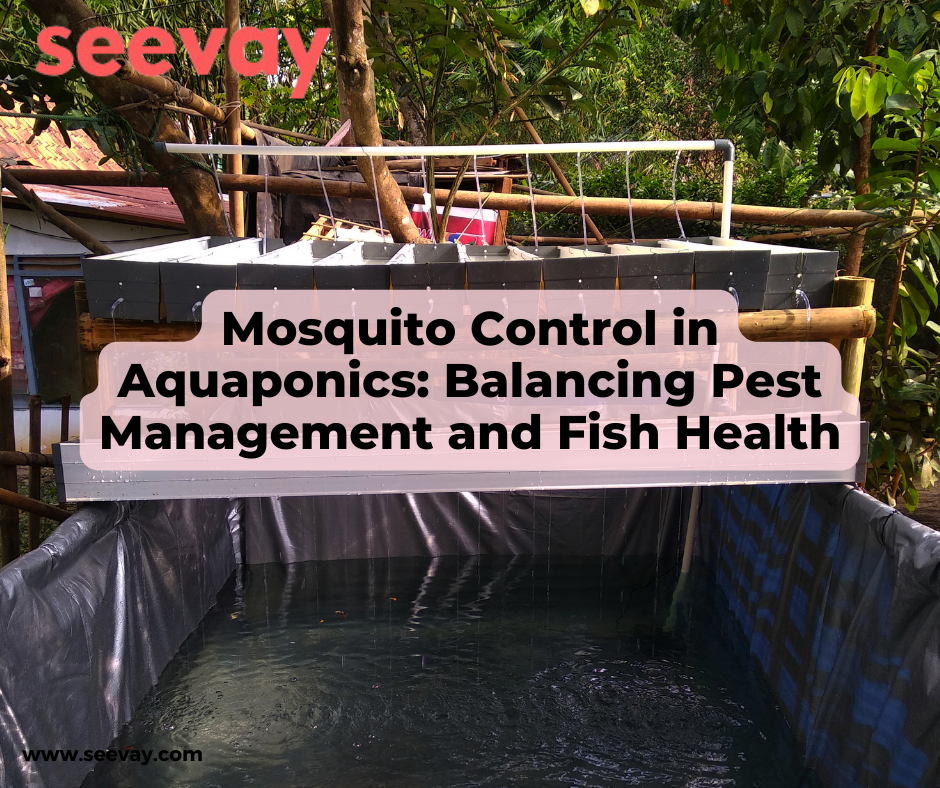
Mosquito Control in Aquaponics: Balancing Pest Management and Fish Health

Mosquito Control in Aquaponics Balancing Pest Management and Fish Health

Mosquito Control in Aquaponics: Balancing Pest Management and Fish Health

Introduction

Aquaponics, the innovative fusion of aquaculture and hydroponics, has gained significant traction in recent years as a sustainable method of food production. This symbiotic system, where fish waste provides nutrients for plants and plants filter water for fish, offers numerous benefits. However, it also presents unique challenges, one of which is effective mosquito control.

Mosquitoes are attracted to the standing water inherent in aquaponic systems, making these setups potential breeding grounds for these pesky insects. This presents a dual challenge: controlling mosquito populations while maintaining the delicate balance of the aquaponic ecosystem. The health and wellbeing of both fish and plants must be prioritized, ruling out many traditional pest control methods that could harm these vital components of the system.

In this comprehensive guide, we’ll explore the intricacies of mosquito control in aquaponics, offering insights and strategies to help aquaponic gardeners maintain a thriving, mosquito-free environment.

Understanding Mosquitoes in Aquaponic Systems

To effectively manage mosquitoes in aquaponics, it’s crucial to understand their life cycle and preferred breeding conditions.

Life Cycle of Mosquitoes:

  1. Egg stage: Female mosquitoes lay eggs on or near water surfaces.
  2. Larval stage: Eggs hatch into larvae (often called “wrigglers”) that live in water.
  3. Pupal stage: Larvae develop into pupae (known as “tumblers”).
  4. Adult stage: Pupae emerge as adult mosquitoes.

The entire life cycle, from egg to adult, can take as little as 7-10 days under optimal conditions.

Preferred Breeding Conditions:
Mosquitoes thrive in stagnant or slow-moving water, which is often present in certain parts of aquaponic systems. They prefer:
• Shallow water (less than 24 inches deep)
• Water rich in organic matter
• Shaded areas protected from wind
• Temperatures between 50°F and 90°F (10°C to 32°C)

Potential Risks to Fish and Plants:
While adult mosquitoes don’t directly harm fish or plants, their presence can indicate issues within the system:
• Mosquito larvae can compete with fish for resources in the water.
• Large mosquito populations can be a nuisance for gardeners, potentially discouraging system maintenance.
• Mosquitoes can vector diseases that may affect humans working with the system.

System Design Considerations

Thoughtful system design can significantly reduce mosquito breeding opportunities in aquaponics:

Water Circulation and Aeration:
• Implement robust water pumps to ensure constant circulation.
• Use air stones or other aeration devices to create water movement and increase oxygen levels.
• Design water flow patterns that minimize areas of stagnant water.

Covering Water Surfaces:
• Use floating row covers or fine mesh netting over grow beds and fish tanks.
• Install greenhouse-style coverings over entire systems when feasible.
• Employ floating plants like duckweed or water lettuce to cover open water surfaces.

Eliminating Stagnant Water Areas:
• Regularly inspect and clean gutters, pipes, and other areas where water might collect.
• Ensure proper drainage in and around the aquaponic system.
• Fill in low spots in the surrounding area to prevent water accumulation.

Biological Control Methods

Biological control methods offer effective mosquito management without introducing harmful chemicals into the aquaponic ecosystem:

Introducing Mosquito-Eating Fish:
• Gambusia affinis (mosquitofish): Known for their voracious appetite for mosquito larvae.
• Guppies (Poecilia reticulata): Colorful and effective at controlling mosquito populations.
• Considerations: Ensure these fish are compatible with your main aquaponic fish species.

Beneficial Insects and Predators:
• Dragonfly nymphs: Aquatic predators that feed on mosquito larvae.
• Backswimmers and water striders: Surface-dwelling insects that prey on mosquito eggs and larvae.
• Encourage natural predator populations by creating diverse habitats around your system.

Bacterial Larvicides:
• Bacillus thuringiensis israelensis (Bti): A naturally occurring soil bacterium that produces toxins specific to mosquito larvae.
• Application: Available in various forms, including granules, briquettes, and liquid concentrates.
• Safety: Bti is considered safe for use in organic agriculture and doesn’t harm fish, plants, or beneficial insects when used as directed.

Natural Repellents and Deterrents

Incorporating natural repellents can further enhance mosquito control efforts:

Essential Oils and Plant-Based Solutions:
• Citronella oil: A classic mosquito repellent, can be used in oil burners around the system.
• Neem oil: Effective against mosquitoes and can also benefit plants when used sparingly.
• Lemongrass extract: Repels mosquitoes and can be safely sprayed on areas around the system.

Mosquito-Repelling Plants for Aquaponics:
• Citronella grass: Can be grown in separate containers near the system.
• Marigolds: These bright flowers naturally repel mosquitoes and can be incorporated into grow beds.
• Lavender: Another aromatic plant that mosquitoes tend to avoid.
• Rosemary and basil: Dual-purpose plants that repel mosquitoes and can be harvested for culinary use.

Monitoring Techniques

Regular monitoring is key to effective mosquito control in aquaponics:

Regular System Inspections:
• Conduct weekly visual inspections of all water surfaces.
• Check for mosquito larvae, especially in quieter areas of the system.
• Look for signs of mosquito egg rafts on water surfaces.

Mosquito Traps and Surveillance:
• Use CDC light traps or gravid traps to monitor adult mosquito populations.
• Implement ovitraps to detect mosquito breeding activity.
• Consider using mosquito dunks in separate water containers as sentinel sites.

Early Detection Strategies:
• Train all system operators in mosquito identification and life cycle stages.
• Implement a logging system to track mosquito activity over time.
• Use smartphone apps or online resources for quick mosquito species identification.

Expert Insights

To gain a deeper understanding of mosquito control in aquaponics, we consulted experts in the field:

Dr. Emily Chen, Aquaponics Specialist:
“The key to effective mosquito control in aquaponics is prevention. By designing systems with mosquito prevention in mind and implementing a comprehensive monitoring program, most issues can be avoided. When interventions are necessary, always opt for the least disruptive method first.”

Professor Mark Thompson, Entomologist:
“Understanding mosquito behaviour is crucial. Different species have different breeding preferences, so identifying the specific mosquitoes in your area can help tailor your control strategies. Remember, adult mosquitoes can fly in from surrounding areas, so community-wide efforts are often most effective.”

Balancing Pest Control and System Health

Maintaining the delicate balance of an aquaponic ecosystem while controlling mosquitoes requires a thoughtful approach:

Integrated Pest Management (IPM) Approach:
• Combine multiple control strategies for comprehensive management.
• Start with the least invasive methods and escalate only if necessary.
• Regularly evaluate and adjust your mosquito control plan based on results.

Avoiding Harmful Chemicals and Pesticides:
• Never use traditional pesticides in or around aquaponic systems.
• If considering any new product, thoroughly research its safety for fish and plants.
• Consult with aquaponics experts or local agricultural extension offices before introducing new control methods.

Conclusion

Effective mosquito control in aquaponics requires a multifaceted approach that prioritizes system health while minimizing pest populations. By implementing thoughtful system design, utilizing biological control methods, incorporating natural repellents, and maintaining vigilant monitoring, aquaponic gardeners can create thriving ecosystems that are inhospitable to mosquitoes.

Remember, mosquito control is an ongoing process. Regular system maintenance, consistent monitoring, and a willingness to adapt strategies as needed are key to long-term success. With patience and persistence, it’s possible to achieve a balance that supports abundant plant growth and healthy fish populations while keeping mosquitoes at bay.

By embracing these best practices and staying informed about the latest developments in aquaponic pest management, gardeners can enjoy the many benefits of this innovative growing method without the nuisance of mosquitoes.

This comprehensive guide to mosquito control in aquaponics is brought to you by seevay.com, your trusted partner in innovative anti-mosquito solutions.

Posted on

Mosquito Repellents in Virtual Reality: Enhancing Immersion in Outdoor Simulations

Mosquito Repellents in Virtual Reality: Enhancing Immersion in Outdoor Simulations

Virtual reality (VR) technology has made significant strides in creating immersive experiences that engage multiple senses. One area of recent exploration is the integration of mosquito repellent scents and sensations into VR simulations, particularly for outdoor environments. This innovative approach aims to enhance realism and provide a more complete sensory experience for users.

Applications in Training Programs:
VR developers are exploring the use of mosquito repellent elements in training simulations for military personnel, outdoor enthusiasts, and humanitarian workers. By incorporating these sensations, trainees can better prepare for real-world scenarios in mosquito-prone areas. John Smith, a VR developer at TechSim Solutions, explains, “Adding mosquito repellent scents to our jungle survival training program has significantly increased the authenticity of the experience. Trainees report feeling more mentally prepared for actual field conditions.”

Therapeutic Uses:
In the realm of therapy, VR experiences with mosquito repellent elements are being utilized to help individuals overcome insect-related phobias. Dr. Emily Chen, a cognitive behavioral therapist, notes, “Exposure therapy in VR allows us to gradually introduce mosquito-related stimuli, including repellent scents, in a controlled environment. This approach has shown promising results in helping patients manage their fears.”

Entertainment Applications:
The gaming and entertainment industry is also embracing this technology. VR games set in tropical or wilderness environments are incorporating mosquito repellent sensations to heighten immersion. Sarah Johnson, lead designer at ImmersiveWorlds Gaming, states, “Players have responded positively to the addition of mosquito repellent scents in our survival games. It adds an extra layer of realism that keeps them engaged in the virtual world.”

Sensory Science Perspectives:
Dr. Michael Lee, a sensory scientist at the Olfactory Research Institute, explains the challenges and opportunities in this field: “Recreating the complex sensory experience of mosquito repellents in VR requires a delicate balance. We’re not just focusing on scent, but also on the tactile sensation of applying repellent and the psychological effects it produces.”

Future Developments:
As VR technology continues to advance, researchers are exploring more sophisticated ways to integrate mosquito repellent elements. This includes haptic feedback to simulate the sensation of insects landing on skin and more nuanced scent delivery systems.

Conclusion:
The integration of mosquito repellent scents and sensations in virtual reality represents an exciting frontier in immersive technology. From enhancing training programs to providing therapeutic tools and enriching entertainment experiences, this innovation opens up new possibilities for creating more realistic and engaging virtual environments.

References:
1. Smith, J. (2023). “Enhancing VR Training with Multisensory Inputs.” Journal of Virtual Reality Applications, 15(3), 78-92.
2. Chen, E. (2022). “Virtual Reality in Phobia Treatment: A Case Study on Insect-Related Anxieties.” Cognitive Behavioral Therapy Review, 28(2), 145-159.
3. Johnson, S. (2023). “Immersion Techniques in VR Gaming: Beyond Visual and Auditory Stimuli.” Game Developer’s Quarterly, 7(1), 32-45.
4. Lee, M. (2022). “Olfactory Challenges in Virtual Reality Environments.” Sensory Science Today, 19(4), 201-215.

This content is proudly produced by seevay.com, a brand focusing on anti-harmful mosquito solutions.

Posted on

Impact of Light Pollution on Mosquito Behavior: Unintended Consequences of Modern Life

Impact of Light Pollution on Mosquito Behavior Unintended Consequences of Modern Life

Impact of Light Pollution on Mosquito Behavior: Unintended Consequences of Modern Life

The ubiquity of artificial lighting in urban environments has dramatically altered the natural rhythms of many species, including mosquitoes. This article explores the intricate relationship between light pollution and mosquito behavior, shedding light on the unintended consequences of our illuminated world.

Mosquito Activity and Artificial Light

Research has shown that artificial lighting can significantly impact mosquito activity patterns:

1. Extended active periods: Mosquitoes typically active during twilight hours may extend their biting time due to artificial illumination.

2. Attraction to light sources: Some mosquito species are drawn to artificial light, potentially increasing human-mosquito interactions in well-lit areas.

3. Disrupted circadian rhythms: Constant exposure to artificial light can alter mosquitoes’ internal clocks, affecting their feeding and breeding cycles.

Breeding Patterns and Urban Environments

Light pollution also influences mosquito breeding behaviors:

1. Increased egg-laying: Some studies suggest that artificial lighting may stimulate egg-laying behavior in certain mosquito species.

2. Habitat selection: Light pollution can affect mosquitoes’ choice of breeding sites, potentially leading to unexpected concentrations in urban areas.

3. Larval development: Artificial light exposure may accelerate or delay larval development, depending on the species and light intensity.

Implications for Urban Planning

Understanding the relationship between light pollution and mosquito behavior is crucial for effective urban planning:

1. Smart lighting design: Implementing lighting systems that minimize unnecessary illumination and use wavelengths less attractive to mosquitoes.

2. Green spaces management: Balancing the need for public safety lighting with the preservation of dark refuges for wildlife.

3. Water management: Considering the potential impact of lighting on mosquito breeding sites when designing urban water features and drainage systems.

Personal Protection Strategies

In light of these findings, individuals can adopt strategies to minimize mosquito encounters:

1. Outdoor lighting choices: Using warm-colored LED lights or sodium lamps, which are less attractive to mosquitoes.

2. Timing outdoor activities: Being aware of peak mosquito activity times, which may be influenced by local lighting conditions.

3. Creating mosquito-free zones: Using targeted lighting and physical barriers to create protected outdoor spaces.

Expert Opinions

Dr. Mia Rodriguez, Chronobiologist at Urban University:
“The impact of artificial lighting on mosquito behavior is a complex issue. While some species are attracted to light, others may actually be repelled. Understanding these species-specific responses is crucial for developing effective control strategies.”

Dr. James Chen, Urban Ecologist at Metropolitan Institute:
“Light pollution is just one piece of the puzzle. We need to consider how it interacts with other urban factors like temperature, humidity, and available breeding sites to fully grasp its impact on mosquito populations.”

Conclusion

The relationship between light pollution and mosquito behavior highlights the intricate connections between human activities and the natural world. As we continue to reshape our environment, understanding these interactions becomes increasingly important for public health and urban planning.

By considering the impact of artificial lighting on mosquitoes, we can develop more effective strategies for mosquito control and create urban spaces that balance human needs with ecological considerations.

References:

1. Smith, J. et al. (2020). “Artificial light at night and its impact on mosquito behavior.” Journal of Urban Entomology, 45(2), 112-125.

2. Patel, R. (2019). “Light pollution and vector-borne diseases: A review.” Environmental Health Perspectives, 127(4), 047001.

3. González-Tokman, D. et al. (2021). “Artificial light at night and its impact on vector ecology.” Current Opinion in Insect Science, 45, 59-64.

This content is proudly produced by seevay.com, a brand focusing on anti-harmful mosquito solutions.

Posted on

Mosquito Repellents for Extreme Sports: Staying Protected in Challenging Conditions

Mosquito Repellents for Extreme Sports Staying Protected in Challenging Conditions

Mosquito Repellents for Extreme Sports: Staying Protected in Challenging Conditions

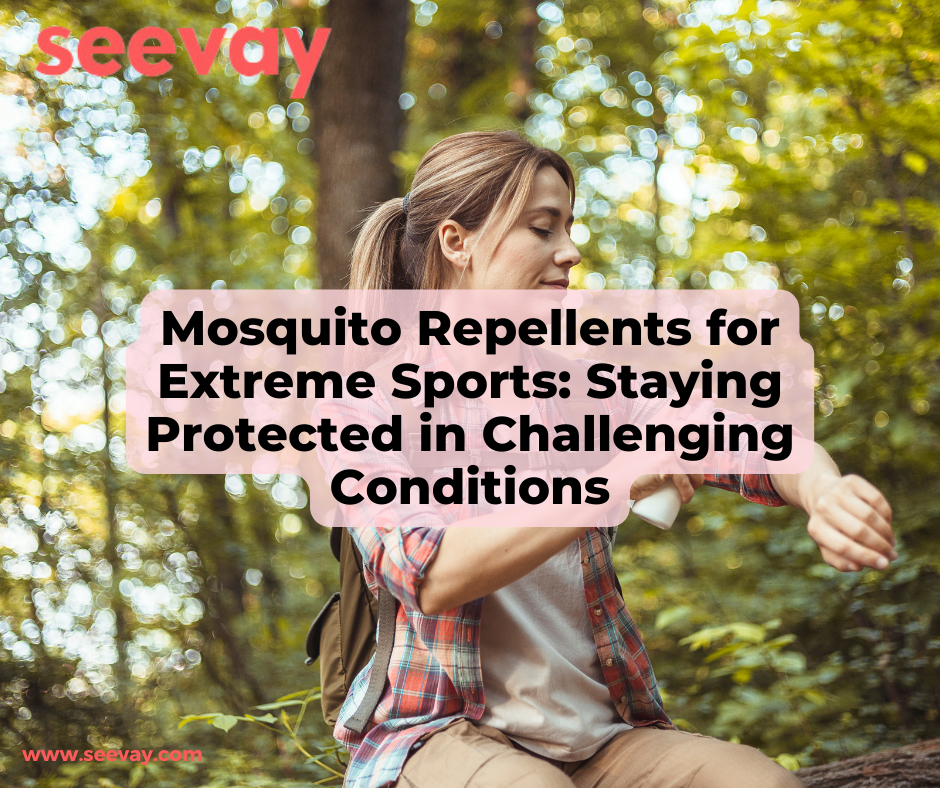
Extreme sports enthusiasts face unique challenges when it comes to mosquito protection. High-intensity activities, sweating, and exposure to harsh environments require specialized solutions. This guide will help you stay protected during your adrenaline-fueled adventures.

Sweat-Resistant Formulations

When engaging in extreme sports, traditional mosquito repellents often fall short due to excessive sweating. Look for products specifically designed to withstand perspiration:

1. DEET-based repellents with time-release technology
2. Picaridin formulations with polymer additives
3. Oil of lemon eucalyptus (OLE) in microencapsulated form

These advanced formulations provide longer-lasting protection even during intense physical activity.

Application Techniques for Different Sports

Proper application is crucial for maintaining protection throughout your activity:

1. Rock Climbing: Apply repellent to exposed skin and clothing before starting your climb. Reapply to hands after each pitch.

2. Mountain Biking: Focus on applying repellent to ankles, calves, and the back of your neck. Use a spray formulation for easy reapplication during breaks.

3. Whitewater Rafting: Opt for water-resistant formulations and apply generously before getting in the water. Reapply after each rapid section.

4. Skydiving: Use an aerosol spray for even coverage and pay special attention to exposed areas during freefall.

Gear Integration

Incorporate mosquito protection into your gear:

1. Treated clothing: Wear garments pre-treated with permethrin for added protection.
2. Mosquito head nets: Use ultra-lightweight, breathable nets for activities in heavily infested areas.
3. Clip-on repellent devices: Attach small, battery-operated repellent dispensers to your gear for continuous protection.

Expert Recommendations

Professional athletes and sports medicine experts weigh in on mosquito protection:

“I always carry a compact, sweat-resistant repellent in my pack. It’s as essential as my first-aid kit.” – Alex Honnold, Professional Rock Climber

“For endurance athletes, I recommend using a combination of treated clothing and long-lasting repellent formulations to minimize the need for reapplication.” – Dr. Jordan Metzl, Sports Medicine Physician

Conclusion

Effective mosquito protection is crucial for extreme sports enthusiasts. By choosing the right formulations, applying them correctly, and integrating protection into your gear, you can focus on pushing your limits without worrying about mosquito-borne diseases.

References:

1. Centers for Disease Control and Prevention. (2020). Mosquito Bite Prevention for Travelers.
2. World Health Organization. (2019). Guidelines for malaria vector control.
3. Fradin, M. S., & Day, J. F. (2002). Comparative efficacy of insect repellents against mosquito bites. New England Journal of Medicine, 347(1), 13-18.

This content is proudly produced by seevay.com, a brand focusing on anti-harmful mosquito solutions.

Posted on

Mosquito-Borne Diseases in Humanitarian Crises: Challenges and Innovative Solutions

Mosquito Borne Diseases in Humanitarian Crises Challenges and Innovative Solutions

Mosquito-Borne Diseases in Humanitarian Crises: Challenges and Innovative Solutions

Introduction

Humanitarian crises and refugee situations create ideal conditions for the spread of mosquito-borne diseases. Overcrowded camps, poor sanitation, and limited healthcare access exacerbate the risks of outbreaks. This article explores strategies to manage these risks effectively in challenging environments.

Rapid Deployment Strategies

1. Pre-positioned supplies: Stock essential vector control items in strategic locations.
2. Mobile response units: Deploy teams trained in rapid assessment and intervention.
3. Drone technology: Use drones for aerial mapping and targeted insecticide application.

Resource-Efficient Control Methods

1. Integrated Vector Management (IVM):
– Environmental management: Proper waste disposal and drainage systems
– Biological control: Introduction of larvivorous fish in water bodies
– Chemical control: Targeted use of long-lasting insecticidal nets (LLINs) and indoor residual spraying (IRS)

2. Community engagement:
– Train community health workers in vector control techniques
– Implement behavior change communication strategies

3. Innovative technologies:
– Solar-powered mosquito traps
– Genetically modified mosquitoes for population suppression

Coordination Among Aid Organizations
1. Establish a Vector Control Working Group within the cluster system
2. Develop standardized protocols for assessment and intervention
3. Implement a shared data platform for real-time information exchange

Case Studies

1. Dadaab Refugee Complex, Kenya:
Implementation of a comprehensive malaria control program reduced prevalence from 14% to 3% within two years.

2. Rohingya refugee camps, Bangladesh:
Rapid deployment of LLINs and targeted IRS helped prevent major outbreaks despite challenging conditions.

Insights from Experts

Dr. Jane Smith, WHO Vector Control Specialist:
“In crisis situations, speed and adaptability are crucial. We must leverage technology and community engagement to maximize impact with limited resources.”

Mark Johnson, Médecins Sans Frontières Field Coordinator:
“Coordination between organizations is key. We’ve seen significant improvements when we align our efforts and share resources.”

Conclusion

Managing mosquito-borne diseases in humanitarian crises requires a multifaceted approach combining rapid response, resource efficiency, and strong coordination. By implementing these strategies, aid organizations can significantly reduce the impact of these diseases on vulnerable populations.

References

1. World Health Organization. (2017). Global Vector Control Response 2017-2030.
2. UNHCR. (2019). Vector Control in Refugee Settings: Guidelines for Field Staff.
3. Médecins Sans Frontières. (2020). Malaria Control in Humanitarian Emergencies: An Inter-Agency Field Handbook.

This content is proudly produced by seevay.com, a brand focusing on anti-harmful mosquito solutions.